

Thread Lift Treatment for Improving the Appearance of Loose Cheek Skin
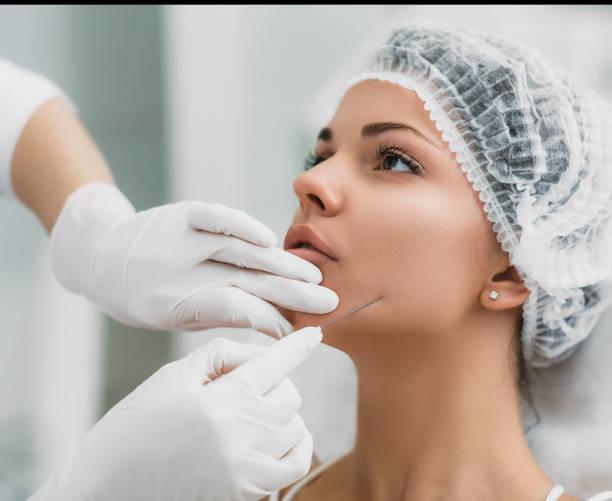
The cheeks play an important role in facial balance, definition, and youthful appearance. Over time, natural aging can affect skin elasticity, collagen levels, and the support provided by underlying tissues. These changes may cause the cheeks to appear less firm, with reduced definition around the midface and lower facial contours. For individuals seeking a minimally invasive approach, Thread lift treatment in Riyadh may be an option to discuss with a qualified medical professional.
A thread lift is a cosmetic procedure that uses specially designed medical threads placed beneath the skin to provide temporary support to selected facial tissues. Depending on individual anatomy and the treatment technique, it may create a subtle lifting effect in the cheek area. However, results vary, and the procedure is generally more suitable for mild to moderate sagging than for significant excess skin.
How Thread Lift Treatment May Improve Cheek Appearance
Supporting the Midface Tissues
A thread lift involves placing threads beneath the skin to support targeted areas. When appropriately positioned, these threads may help improve the appearance of mild cheek sagging and create a more defined midface contour. The treatment aims to complement the person's natural facial structure rather than dramatically change their appearance.
The practitioner determines the placement and direction of the threads according to the patient's anatomy and goals. Not every person with loose cheek skin is an appropriate candidate, and the degree of improvement depends on skin quality, tissue laxity, and other individual factors.
Encouraging a Local Collagen Response
Some absorbable thread materials may stimulate a local collagen response as the body gradually breaks them down. Collagen is a structural protein that contributes to skin support and firmness. This response may contribute to changes in the treated area over time, although the extent of any benefit is unpredictable.
Collagen stimulation should not be interpreted as a guarantee of tighter cheek skin. A thread lift also does not directly replace lost facial volume or correct every cause of cheek changes. A professional assessment can help distinguish between skin laxity, volume loss, and other concerns that may require different treatments.
Who May Consider a Thread Lift for Loose Cheek Skin?
Individuals With Mild to Moderate Sagging
Adults who notice early changes in cheek position or midface definition may wish to explore a thread lift. People with relatively good skin quality and limited tissue sagging may be more suitable candidates than those with extensive loose skin.
A thread lift may be less effective when cheek changes are primarily caused by significant volume loss or severe skin laxity. In such cases, another treatment or a different combination of approaches may be more appropriate. The decision should be based on individual needs rather than age alone.
People Seeking a Minimally Invasive Procedure
Some individuals prefer cosmetic treatments that do not involve the extensive incisions and recovery associated with surgery. A thread lift is generally less invasive than a surgical facelift and may be performed using local anesthesia, depending on the treatment plan.
Nevertheless, minimally invasive procedures still require appropriate clinical expertise, preparation, and aftercare. Patients should expect a recovery period and understand that bruising, swelling, tenderness, and tightness can occur after treatment.
What Happens During a Thread Lift Procedure?
Initial Consultation and Facial Assessment
The process begins with a consultation in which the practitioner evaluates the cheek area, skin quality, facial anatomy, medical history, and treatment goals. Previous cosmetic procedures, current medications, allergies, and conditions that may affect healing should also be discussed.
The practitioner should explain whether a thread lift is likely to address the patient's concern, what degree of lifting may be achievable, and which alternatives are available. This assessment helps establish realistic expectations before any procedure takes place.
Thread Placement and Treatment Planning
If the patient is considered suitable, the treatment area is prepared, and the practitioner uses an appropriate technique to place the threads beneath the skin. The procedure is planned to support selected tissues while respecting natural facial proportions.
The experience and technique of the medical professional are important because thread placement can influence the outcome. Patients should ask about the type of thread being used, the expected recovery, possible complications, and the clinician's qualifications before proceeding.
Benefits and Limitations to Understand
A thread lift may provide a temporary improvement in the appearance of mild cheek sagging without requiring a surgical facelift. Some patients may appreciate the possibility of a subtle change with less extensive recovery than surgery. However, the outcome is not the same as surgically repositioning facial tissues or removing excess skin.
Results vary from person to person and are not permanent. The threads may gradually dissolve when absorbable materials are used, while natural aging continues. The procedure may also have limited benefit for prominent wrinkles, substantial skin laxity, or cheeks that appear hollow because of volume loss.
Possible side effects include bruising, swelling, tenderness, tightness, dimpling, and temporary asymmetry. Complications may include infection, persistent pain, visible threads, thread displacement, or uneven contours. A qualified practitioner should discuss these risks and explain what to do if unexpected symptoms develop.
Recovery and Aftercare for the Cheek Area
Recovery depends on the technique used and the individual's healing response. Swelling, bruising, tenderness, and a feeling of tightness may occur during the initial healing period. Some people may also notice temporary irregularities as the treated tissues settle.
Following the practitioner's instructions is important. Patients may be advised to avoid strenuous exercise, facial massage, excessive pressure on the cheeks, and certain sleeping positions for a specified period. The treating clinician should provide guidance tailored to the procedure.
Increasing redness, worsening pain, fever, unusual discharge, or other concerning symptoms require prompt medical advice. Patients should not attempt to adjust or manipulate threads themselves.
Maintaining Realistic Expectations for Cheek Rejuvenation
The goal of a thread lift is usually to provide a modest lifting effect rather than completely reverse facial aging. The outcome depends on the degree of sagging, skin elasticity, facial anatomy, thread selection, and individual healing. Some people may notice an early lifting effect, while changes associated with collagen response may develop gradually.
Before choosing Thread lift treatment in Riyadh, consider the specific change you want to achieve and discuss whether the procedure can reasonably provide it. A practitioner may recommend another approach if the primary concern is significant excess skin, loss of facial volume, or a skin-texture issue that a thread lift is unlikely to correct.
Conclusion
Thread lifts may help selected individuals improve the appearance of mild cheek sagging and achieve a more defined midface contour without major surgery. However, results are temporary, and the procedure has important limitations and potential risks. A personalised consultation, realistic expectations, and careful consideration of alternative treatments are essential when deciding whether this procedure is suitable.
Consultation at Royal Clinic Saudi
Individuals interested in Thread lift treatment in Riyadh can contact Royal Clinic Saudi to discuss loose cheek skin and explore appropriate facial rejuvenation options. A consultation can help determine whether a thread lift is suitable, explain the likely benefits and limitations, and provide guidance on recovery and potential risks based on individual needs.
FAQs:
1. Can a thread lift improve the appearance of loose cheek skin?
A thread lift may provide temporary support and a subtle lifting effect for selected people with mild to moderate cheek sagging. It is generally less effective for significant excess skin or advanced facial laxity.
2. Is a thread lift suitable for every type of cheek sagging?
No. Cheek changes may result from skin laxity, loss of facial volume, or a combination of factors. A qualified practitioner should assess the cause and recommend an appropriate treatment.
3. How long does it take to recover from a cheek thread lift?
Recovery varies according to the technique and individual healing. Swelling, bruising, tenderness, and tightness may occur, so patients should follow their practitioner's aftercare instructions and allow time for the area to settle.
4. Are the results of a cheek thread lift permanent?
No. The results are temporary, and natural aging continues after treatment. The duration and degree of improvement depend on the thread material, placement technique, skin condition, and individual response.

 English
 Arabic
 French
 Spanish
 Portuguese
 Deutsch
 Turkish
 Dutch
 Italiano
 Romaian
 Portuguese (Brazil)
 Greek
