

What Factors Affect Under Eye Filler Results?
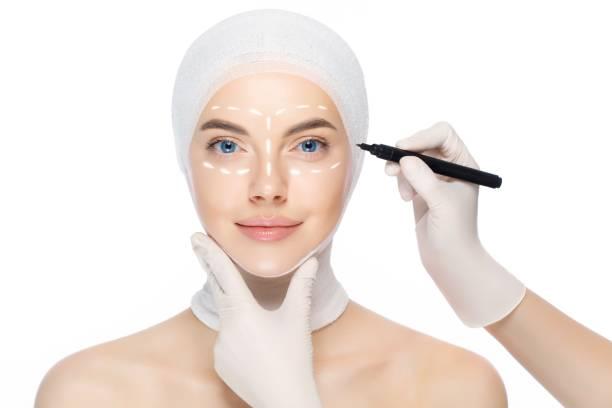
Under-eye filler treatment is a popular non-surgical option for improving hollow areas, softening shadows, and creating a more refreshed appearance. However, the results can vary significantly from one person to another. Factors such as facial anatomy, skin quality, the type of filler used, and the practitioner's technique all influence the final outcome. Understanding these factors can help individuals develop realistic expectations before considering Under Eye Fillers in Riyadh.
Although dermal fillers can restore volume beneath the eyes, they are not suitable for every concern. Some people experience noticeable improvements in hollowing, while others may need a different treatment to address pigmentation, loose skin, or persistent puffiness. Choosing Under Eye Fillers in Riyadh begins with a professional assessment that identifies the underlying cause of the concern and determines whether filler treatment is appropriate.
Facial Anatomy and the Degree of Under-Eye Hollowing
Natural Facial Structure
Everyone has a unique facial structure, including differences in cheekbone projection, tear trough depth, and the distribution of fat beneath the eyes. These features influence how light creates shadows across the face. Individuals with prominent hollows caused by volume loss may benefit from carefully placed filler, while those with different anatomical concerns may achieve less noticeable improvements.
Severity of Volume Loss
The depth of the hollow area can affect the treatment plan and expected outcome. Mild to moderate volume loss may respond well to conservative filler placement. Deeper hollows or more complex anatomical features may require a different approach or a combination of treatments. Adding excessive filler is not necessarily the solution, as overfilling can create puffiness or an unnatural appearance.
The Type and Quality of Filler Used
Hyaluronic Acid Formulation
Many under-eye treatments use hyaluronic acid, a substance that attracts and retains water. Different formulations have different characteristics, including firmness, flexibility, and water attraction. The appropriate product depends on the patient's anatomy and the intended correction. A formulation that works well in one facial area may not be suitable for the delicate tissue beneath the eyes.
Product Selection and Treatment Planning
Choosing a suitable product is essential because the under-eye region has thin skin and limited tolerance for excessive volume. A qualified practitioner should explain which filler is being considered, why it is appropriate, and what limitations it may have. Product quality, correct handling, and use of an authorized product also contribute to treatment safety.
The Practitioner’s Experience and Injection Technique
The experience of the professional performing the procedure can strongly influence both appearance and safety. The under-eye area contains delicate tissues and important blood vessels, so treatment requires a detailed understanding of facial anatomy.
Injection depth, placement, product quantity, and the overall treatment strategy all matter. A conservative approach may help reduce the risk of visible lumps, unevenness, prolonged swelling, or a heavy appearance. Patients should choose a qualified medical practitioner with specific experience in tear trough treatment and the ability to recognize and manage complications.
Skin Quality and Existing Under-Eye Concerns
Thin Skin and Fine Lines
Thin skin may make blood vessels or underlying structures more visible. While filler can improve selected hollows, it does not directly correct every concern related to skin texture or fine lines. In some individuals, filler may even become more noticeable if it is placed too superficially.
Dark Circles and Pigmentation
Dark circles can result from several causes, including pigmentation, visible blood vessels, thin skin, and shadows created by hollowing. Fillers are most likely to help when the darkness is primarily related to volume loss and shadowing. If pigmentation is the main cause, other treatments may be more appropriate.
Under-Eye Bags and Fluid Retention
Prominent fat pads and fluid-related puffiness can affect the suitability of filler treatment. Adding volume to an area that already appears swollen may make the under-eyes look heavier. A professional assessment can help distinguish hollowing from puffiness and determine whether another approach would be more beneficial.
Individual Healing and Metabolism
Every person responds differently to injectable treatments. Some experience more bruising or swelling, while others recover with relatively little visible disruption. Individual tissue characteristics and the body's natural processes can also influence how long the filler remains noticeable.
Hyaluronic acid fillers gradually break down over time, and their longevity varies according to the formulation, treatment technique, and individual factors. Results should not be expected to remain identical indefinitely. Follow-up appointments can help the practitioner assess how the filler has settled and whether any further treatment is appropriate.
Aftercare and Lifestyle Habits
Following Post-Treatment Instructions
Appropriate aftercare can help support recovery. Patients should follow their practitioner's instructions about touching the treated area, exercising, and using skincare products. Avoid rubbing or massaging the under-eyes unless specifically advised, and use a cool compress only as directed.
Sun Protection and Skincare
Daily broad-spectrum sunscreen, suitable sunglasses, and gentle skincare can help protect the delicate skin around the eyes. Moisturizers may improve skin comfort and hydration, but skincare products cannot prevent filler from naturally breaking down.
Sleep and General Well-Being
Adequate sleep and healthy daily habits can help reduce the appearance of tiredness and temporary puffiness. These habits support overall skin health but cannot guarantee longer-lasting filler results. Persistent or worsening swelling should be assessed rather than managed solely through lifestyle changes.
Realistic Expectations and Follow-Up Care
The best results usually aim to create a subtle improvement that complements the rest of the face rather than completely changing its appearance. Patients should understand that fillers cannot address every cause of dark circles, loose skin, or under-eye bags.
Before treatment, discuss your goals, medical history, allergies, medications, and previous cosmetic procedures with your practitioner. Seek immediate emergency medical attention if you experience severe or increasing pain, vision changes, or unusual pale, dusky, or mottled skin discoloration after injections, as these may indicate a serious complication.
Book a Consultation at Royal Clinic Saudia
If you are exploring Under Eye Fillers in Riyadh, an individual assessment can help determine which factors may influence your results. Royal Clinic Saudia can discuss your under-eye concerns, explain suitable treatment options, and help you understand the potential benefits and limitations of filler treatment. A personalized approach supports informed decisions and realistic expectations.
FAQs:
What is the most important factor affecting under-eye filler results?
Several factors work together, including facial anatomy, the type of filler, the amount used, and the practitioner's technique. A careful assessment is important for selecting an appropriate treatment plan.
Can the wrong filler make under-eye results look unnatural?
Yes. An unsuitable formulation, excessive product, or inappropriate placement may contribute to visible lumps, puffiness, unevenness, or a heavy appearance. Product selection should be based on the patient's anatomy and treatment goals.
Does skin type affect under-eye filler results?
Skin thickness, elasticity, and existing pigmentation can influence how the area looks after treatment. Fillers may improve hollows but generally do not correct all skin texture or pigmentation concerns.
How can I improve my chances of achieving good results?
Choose a qualified medical practitioner with experience in under-eye treatments, disclose relevant medical information, follow aftercare instructions, and attend recommended follow-ups. Discussing realistic expectations before treatment is equally important.

 English
 Arabic
 French
 Spanish
 Portuguese
 Deutsch
 Turkish
 Dutch
 Italiano
 Russian
 Portuguese (Brazil)
 Greek
