

Compliance and Accountancy for Business: Build Essential Finance and Compliance Skills
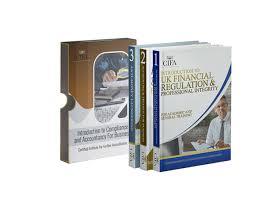
Modern businesses need more than strong products and effective operations to succeed. They must also maintain accurate financial records, follow applicable regulations, prevent financial crime, and encourage ethical decision-making. These responsibilities make knowledge of compliance and accountancy valuable across a wide range of business environments.
For people interested in finance, accounting support, business administration, or regulatory compliance, developing these skills can be a practical step towards professional growth. The Introduction to Compliance and Accountancy for Business (ICAB) programme offered by CIFA brings together three essential learning areas: UK financial regulation and professional integrity, accounting and finance for business, and anti-money laundering (AML).
This combination allows learners to explore how financial information, regulatory responsibilities, and financial crime prevention contribute to responsible business management. It may be particularly relevant to graduates, career changers, junior finance staff, business owners, and people looking to expand their understanding of compliance-related work.
What Is Introduction to Compliance and Accountancy for Business (ICAB)?
The Introduction to Compliance and Accountancy for Business (ICAB) is a digital learning bundle designed to introduce learners to important principles of business finance and compliance. Rather than concentrating on one technical subject, the programme connects accounting knowledge with regulatory awareness and the prevention of financial crime.
Businesses depend on reliable financial information to make decisions, plan budgets, assess performance, and meet reporting responsibilities. At the same time, they must understand the rules that apply to their activities and maintain appropriate controls to reduce the risk of misconduct.
The ICAB programme explores these connected responsibilities through three courses. Its integrated approach can help learners understand how financial management and compliance work together in day-to-day business operations.
Why Are Compliance and Accountancy Important in Business?
Compliance and accountancy serve different purposes, but both help organisations operate responsibly.
Accountancy provides information about a business's financial position and performance. Financial records help managers understand revenue, expenses, assets, liabilities, and cash flow. Without reliable information, decision-makers may struggle to evaluate performance or plan for future needs.
Compliance focuses on meeting applicable legal, regulatory, and internal requirements. It helps organisations identify obligations, establish suitable processes, and respond appropriately when problems arise.
When these functions work together, businesses can improve transparency, strengthen internal controls, and make more informed decisions. They can also be better prepared to identify irregularities and respond to potential financial crime.
For learners, understanding this relationship provides a useful foundation for roles involving finance administration, compliance support, bookkeeping, business operations, and financial reporting.
What Does the CIFA ICAB Programme Cover?
The programme brings together three complementary subjects that support a broad understanding of business finance and regulatory responsibilities.
1. UK Financial Regulation and Professional Integrity
Businesses operating in the UK must understand the rules and professional standards relevant to their activities. The first learning area introduces the UK regulatory environment and explains why ethical behaviour is important in professional settings.
Learners explore the purpose of regulation, the responsibilities of regulatory bodies, and the importance of accountability when handling business information or performing professional duties.
Key topics include:
-
The purpose of UK financial regulation.
-
Regulatory responsibilities and compliance awareness.
-
Professional integrity and ethical decision-making.
-
Accountability within business operations.
-
Transparency and responsible communication.
-
The importance of appropriate internal policies and procedures.
Professional integrity means acting honestly, recognising potential conflicts of interest, and understanding the consequences of inappropriate conduct. These principles matter in finance and compliance roles because colleagues, customers, and other stakeholders rely on accurate information and responsible behaviour.
Studying this area can help learners understand how ethical standards support trust and good governance. However, a course completion certificate does not automatically provide authorisation to undertake regulated activities or satisfy every requirement for a particular professional role.
2. Introduction to Accounting and Finance for Business
Accounting is an important part of business decision-making. Financial records help organisations monitor performance, manage resources, plan expenditure, and understand their financial position.
The accounting and finance component introduces learners to fundamental financial concepts and the ways businesses use financial information.
Important areas include:
-
Basic accounting terminology and principles.
-
Understanding income and expenditure.
-
Reading financial statements.
-
Balance sheets and business assets and liabilities.
-
Cash flow and liquidity.
-
Budgeting and forecasting.
-
Financial reporting and business decision-making.
-
The role of financial controls.
A balance sheet provides information about a business's assets, liabilities, and equity at a particular point in time. An income statement summarises income and expenses over a reporting period, while a cash flow statement explains movements in cash and cash equivalents.
Understanding these reports can help learners recognise how financial information supports business planning. For example, a business may report a profit while still experiencing cash flow difficulties if customers pay late or significant payments become due.
Budgeting and forecasting are equally important. A budget sets out planned income and expenditure, while a forecast estimates likely future results using available information and assumptions. Both can help organisations prepare for changing circumstances and allocate resources more effectively.
This knowledge can be useful for people who work with financial records even if they do not intend to become professional accountants.
3. Anti-Money Laundering (AML)
Money laundering involves disguising the criminal origin of money or assets so they appear to come from legitimate activities. It can undermine financial systems, expose businesses to legal and reputational risks, and support further criminal activity.
Anti-money laundering controls help relevant organisations identify and manage these risks. The third learning area introduces the principles of financial crime prevention and the responsibilities businesses may have under applicable AML requirements.
Topics include:
-
The purpose of anti-money laundering controls.
-
Common money laundering risks and warning signs.
-
Customer due diligence.
-
Risk assessment and customer identification.
-
Recognising unusual or suspicious activity.
-
Recordkeeping and reporting responsibilities.
-
The potential consequences of non-compliance.
Customer due diligence involves taking appropriate steps to understand who a customer is and assess the risks associated with a business relationship. The precise requirements depend on the organisation, the activity, and the applicable rules.
Learning about suspicious activity indicators can help learners understand why businesses need appropriate procedures rather than relying solely on personal judgement. When concerns arise, employees should follow their organisation's policies and relevant reporting procedures.
AML knowledge is particularly relevant to people interested in compliance support, customer onboarding, know-your-customer processes, and financial operations. The programme provides an introduction to these concepts, while actual responsibilities may require additional training and workplace experience.
Who Should Consider the ICAB Certification?
The Introduction to Compliance and Accountancy for Business programme may be suitable for people who want to develop a foundation in business finance and compliance.
Finance Graduates and Entry-Level Staff
Graduates and new professionals may use the programme to become familiar with financial reporting, regulatory awareness, and AML concepts. This knowledge can complement academic study and help them prepare for further learning.
Career Changers
People moving into finance or compliance from administration, retail, customer service, or other sectors may benefit from an introduction to the terminology and responsibilities used in business environments.
Junior Accountants and Bookkeepers
People working with invoices, expenses, financial records, or bookkeeping tasks may find it useful to strengthen their understanding of accounting fundamentals and the compliance context surrounding business transactions.
Aspiring Compliance Professionals
Individuals interested in compliance support or governance-related work can explore regulatory responsibilities, ethical conduct, and financial crime prevention before pursuing more specialised training.
Small Business Owners and Entrepreneurs
Business owners often need to understand financial performance, cash flow, recordkeeping, and regulatory responsibilities. Learning these fundamentals can help them ask better questions and work more effectively with accountants and compliance specialists.
Administrative and Operations Staff
Employees who handle documentation, customer records, payments, or internal processes may benefit from greater awareness of financial controls and compliance responsibilities.
The best fit depends on the learner's existing experience and goals. Prospective students should review the curriculum and determine whether the programme meets their particular learning needs.
Skills You Can Develop Through ICAB
Professional learning can help learners build knowledge that is relevant to different business activities.
Financial Literacy
Understanding accounting terms and financial statements can help learners interpret basic business information and communicate more effectively with finance teams.
Compliance Awareness
Learning about regulation and professional integrity can improve understanding of why businesses establish policies, maintain records, and monitor their obligations.
AML Risk Recognition
Studying financial crime prevention introduces learners to due diligence, risk assessment, and the importance of escalating concerns through appropriate channels.
Attention to Detail
Accounting and compliance tasks often require accurate documentation and careful review. Developing a structured approach to information can support better work practices.
Business Decision-Making
Financial information helps organisations evaluate performance and plan ahead. Understanding budgets, forecasts, and cash flow can help learners recognise the information needed for informed decisions.
Ethical Judgement
Professional integrity encourages individuals to consider their responsibilities, communicate honestly, and recognise when an action may be inappropriate.
These skills can support professional development, although practical competence also depends on experience, ongoing learning, and the requirements of the relevant job.
How Online Learning Can Support Your Career Goals
Digital education can make professional development more manageable for people balancing work and other commitments. A structured online programme allows learners to organise their study time around their schedules, subject to the course's access and assessment arrangements.
To get the most from a course, begin by identifying your main objective. You may want to improve your understanding of financial records, explore a career in compliance, or develop a foundation before pursuing further qualifications.
Next, create a regular study routine. Divide the material into manageable sections and allow time for revision. Accounting topics may require practice with examples, while compliance and AML subjects benefit from understanding why particular procedures exist.
It can also be useful to connect the three learning areas. For example, a suspicious transaction may raise AML concerns, require careful documentation, and have implications for internal controls. Seeing these relationships can make the material more meaningful.
Finally, use practice assessments to identify areas that need further attention. Review mistakes and make sure you understand the reasoning behind the correct answers.
Potential Career Directions After Studying ICAB
Knowledge of compliance, accounting, and AML may be relevant to several business and financial services functions. Depending on a person's background and any additional qualifications required, potential directions to explore include:
-
Finance or accounts administration.
-
Junior bookkeeping and accounting support.
-
Compliance administration.
-
AML and customer onboarding support.
-
Know-your-customer (KYC) support roles.
-
Business operations and documentation.
-
Financial reporting assistance.
-
Small business administration.
These are possible areas of relevance, not guaranteed employment outcomes. Employers may require experience, further qualifications, practical assessments, or specialist knowledge for particular positions.
Learners should therefore use the programme as part of a wider development plan. Reviewing job descriptions and identifying commonly requested skills can help them decide what to study next.
Why Consider CIFA for Compliance and Accountancy Learning?
Choosing a professional course involves more than comparing titles. Learners should consider the subjects covered, learning format, assessment requirements, available resources, and total cost.
CIFA offers the ICAB programme as a digital bundle combining UK financial regulation and professional integrity, accounting and finance for business, and anti-money laundering. This structure brings together subjects that often intersect in modern business operations.
Before enrolling, prospective learners should confirm the current curriculum, course duration, examination arrangements, certificate requirements, and any optional study-support costs. It is also important to check whether the programme is suitable for the role or further qualification they are considering.
A thoughtful comparison can help learners select training that fits their budget, experience, and professional objectives.
How to Prepare for Success in Business Finance and Compliance
A consistent learning strategy can help you get more from the ICAB programme.
Set a clear goal. Decide which skills you want to develop and how they relate to your current role or future plans.
Study in stages. Work through the material in manageable sections rather than trying to learn every topic at once.
Practise financial concepts. Use simple examples to understand how income, expenses, assets, liabilities, and cash flow relate to one another.
Review compliance scenarios. Consider why businesses use internal controls, maintain documentation, and follow reporting procedures.
Understand AML principles. Focus on the purpose of customer due diligence and the importance of recognising and escalating suspicious activity appropriately.
Revise regularly. Short, consistent revision sessions can help reinforce technical terminology and important concepts.
Plan your next step. Once you have reviewed the course, identify whether you need practical experience or further specialist training to progress towards your career goal.
Conclusion
Businesses rely on accurate financial information, appropriate controls, and ethical conduct to operate responsibly. Understanding how accounting, compliance, and anti-money laundering work together can help learners develop a broader perspective on modern business responsibilities.
The Introduction to Compliance and Accountancy for Business (ICAB) from CIFA combines three learning areas: UK financial regulation and professional integrity, accounting and finance for business, and anti-money laundering. This integrated approach may suit graduates, career changers, junior finance staff, business owners, and people exploring compliance-related work.
If you want to strengthen your business finance knowledge, review the course curriculum and assessment requirements carefully. Combining structured study with practical experience and further learning can help you build a more focused path towards your professional objectives.
Frequently Asked Questions
1. What is the Introduction to Compliance and Accountancy for Business (ICAB)?
ICAB is a digital learning bundle from CIFA that covers UK financial regulation and professional integrity, accounting and finance for business, and anti-money laundering.
2. Who should consider an ICAB certification?
It may be useful for finance graduates, career changers, junior accountants, bookkeepers, business owners, administrative staff, and people interested in compliance or AML support.
3. What accounting topics are covered in ICAB?
The accounting component introduces fundamental accounting concepts, financial statements, cash flow, budgeting, forecasting, and the use of financial information in business decisions.
4. Does ICAB prepare learners for anti-money laundering work?
The programme introduces AML concepts such as due diligence, risk assessment, suspicious activity indicators, and reporting responsibilities. Specific jobs may require additional training and experience.
5. Does completing ICAB guarantee a job in finance or compliance?
No. The programme can contribute to professional development, but employment depends on factors such as experience, employer requirements, practical skills, and any additional qualifications needed.

 English
 Arabic
 French
 Spanish
 Portuguese
 Deutsch
 Turkish
 Dutch
 Italiano
 Russian
 Romaian
 Portuguese (Brazil)
