

Beef Cheek Chews for Dogs: Benefits, Safety, and Natural Chewing Options
Beef cheek chews are dog treats made from the cheek muscle tissue of cattle. They are popular among pet owners looking for animal-based chews that provide an engaging chewing experience. These chews are available in different shapes, including rolls, strips, and flat pieces, making it possible to find options for various chewing preferences. Their texture can vary depending on the preparation method, thickness, and size of the product.
For dogs that enjoy chewing, beef cheek products can offer an enjoyable activity while satisfying their natural chewing instincts. When comparing beef cheek chews, pet owners should consider ingredient quality, preparation methods, product dimensions, and their dog's individual chewing habits. Although these treats may be suitable for some dogs, proper supervision and careful product selection are necessary to reduce potential risks.
Benefits of Beef Cheek Chews
Beef cheek chews offer several potential benefits when incorporated appropriately into a dog's treat routine. One of their main advantages is that they provide an alternative to ordinary bite-sized treats. Dogs that enjoy working on a chew may remain engaged for longer, depending on the product's thickness and their chewing strength.
Chewing can also provide mental stimulation by giving dogs an activity that occupies their attention. Offering an appropriate chew may help satisfy their natural desire to bite and gnaw, especially during supervised relaxation time.
Another benefit is the animal-based nature of beef cheek products. Depending on the product, they may provide protein and other nutrients, although their nutritional composition varies. Treats should complement a complete and balanced diet rather than replace regular meals.
Chewing creates friction against tooth surfaces, which may help remove some surface debris. However, beef cheek chews are not a substitute for brushing your dog's teeth or receiving professional veterinary dental care.
What Makes Beef Cheek Different from Other Dog Chews?
Beef cheek comes from the cheek tissue of cattle, whereas beef hide comes from the animal's skin. Although both materials are used to produce dog chews, their composition and texture differ.
Beef cheek products are commonly processed into rolls or other chewable shapes. Their texture can change as a dog works on them, depending on the manufacturing process and moisture exposure. Beef hide products, on the other hand, are made from cattle hide and may have a different density and chewing feel.
Neither type is automatically safer for every dog. The right option depends on the dog's size, chewing behavior, dental health, and tendency to swallow pieces. Always check the manufacturer's product description to confirm the material and ingredients.
Different Types of Beef Cheek Chews
Beef cheek treats are available in several forms to accommodate different chewing preferences.
Beef Cheek Rolls
Beef cheek rolls are shaped into cylindrical chews that dogs can hold between their paws. They may appeal to dogs that enjoy working on a single piece over time. Check the roll's diameter and length to ensure it is suitable for your dog.
Beef Cheek Strips
Beef cheek strips are flatter pieces that may be easier for some dogs to grip. Their thickness and dimensions vary, so they should be selected according to the dog's chewing strength and ability to handle the material safely.
Beef Cheek Chips
Beef cheek chips are smaller pieces intended for a different chewing experience. However, smaller dimensions can create a swallowing risk for dogs that gulp their treats. Avoid pieces that your dog could swallow whole.
Thick Beef Cheek Chews
Thicker products may provide a more substantial chewing experience for some dogs. However, thickness alone does not guarantee safety or durability. Extremely forceful chewing can damage teeth, so dogs with aggressive chewing habits need careful assessment and supervision.
How to Choose Quality Beef Cheek Chews
Selecting a suitable product involves examining more than its appearance or advertised durability. Keep these considerations in mind when shopping for beef cheek treats.
-
Ingredient transparency: Check whether the product contains only beef cheek or includes other ingredients, flavorings, or preservatives.
-
Appropriate sizing: Select a chew that is large enough to reduce the likelihood of swallowing it whole.
-
Texture and firmness: Consider your dog's chewing style and avoid products that are excessively hard for their teeth.
-
Preparation and quality: Look for clear product information and appropriate manufacturing and handling standards.
-
Storage instructions: Follow the manufacturer's guidance to maintain product quality and reduce the risk of spoilage.
If your dog has food sensitivities, digestive problems, or a history of swallowing chews without chewing them properly, speak with your veterinarian before introducing a new treat.
Are Beef Cheek Chews Safe for Dogs?
Beef cheek chews may be suitable for some dogs, but no chew is completely risk-free. Potential concerns include choking, swallowing large pieces, gastrointestinal obstruction, digestive upset, and dental injuries. The risk depends on the individual dog and the characteristics of the chew.
Always supervise your dog while chewing. Remove the product if it becomes small enough to swallow whole, develops sharp edges, or starts breaking into pieces that your dog may gulp. Do not leave your dog unattended with a chew, even if it is described as long-lasting.
Introduce new treats gradually and observe your dog's response. If your dog experiences vomiting, abdominal discomfort, difficulty swallowing, or loss of appetite after chewing, contact a veterinarian promptly. Suspected choking or difficulty breathing requires immediate emergency veterinary attention.
Puppies, senior dogs, and pets with dental conditions may need different options. Consult your veterinarian if you are uncertain whether a particular chew is appropriate.
Beef Cheek Chews for Heavy Chewers
Dogs that chew forcefully can quickly wear down or break apart certain treats. For these dogs, choosing an appropriate size and texture is particularly important. Although beef cheek products may offer an engaging activity, they should not be assumed to withstand every dog's chewing strength.
Observe how your dog interacts with the chew during each session. If your pet bites off and swallows large pieces rather than gradually working on the material, discontinue use and ask your veterinarian about safer alternatives.
Set reasonable chewing sessions, provide access to fresh drinking water, and regularly inspect the product. A dog's chewing behavior can change as the chew softens or becomes smaller, so ongoing supervision matters throughout the session.
Proper Storage of Beef Cheek Treats
Store beef cheek chews according to the manufacturer's instructions. Keep unused products in a clean, dry environment and protect them from moisture, excessive heat, and pests. Reseal packaging when appropriate and check the product before offering it to your dog.
Discard any chew that shows signs of mold, contamination, unusual odor, or deterioration. Avoid offering products that have been stored improperly or exposed to conditions that could compromise their quality.
Good storage practices help maintain treat quality, but they cannot make a spoiled or damaged chew safe to use.
Why Consider Ugly Chews for Natural Dog Chews?
Pet owners interested in minimally processed treats can consider the ingredient list and preparation method when comparing available products. Ugly Chews focuses on natural dog chews, including cattle-hide products prepared with an emphasis on simple ingredients and reduced processing.
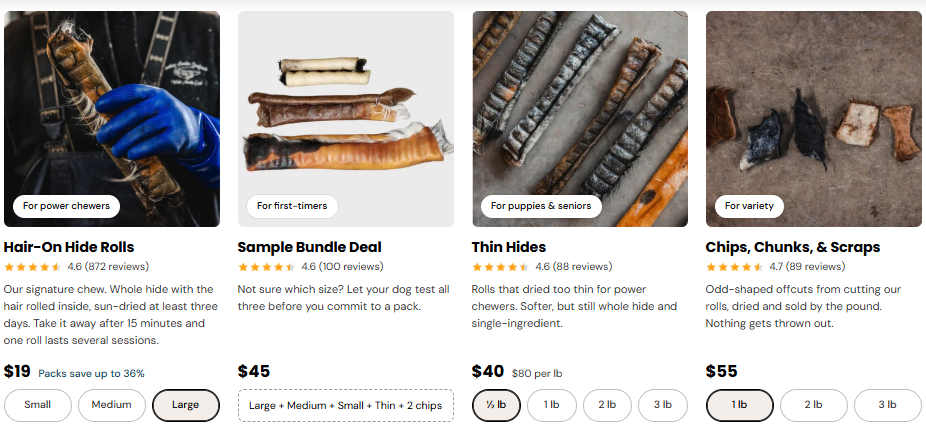
Although beef cheek and beef hide are different materials, Ugly Chews offers a range of hide-based options, including hair-on hide rolls, chips, chunks, and scraps. These products may appeal to owners seeking straightforward chewing treats and ways to make use of hide materials that might otherwise go to waste.
Before purchasing, review the product details and ensure that the material matches your preferences. Select a suitable size, consider your dog's chewing habits, and follow all recommended safety practices.
Final Thoughts
Beef cheek chews can provide an engaging chewing activity for dogs that enjoy animal-based treats. Their texture, composition, and potential chewing time vary by product, so careful selection is essential. Supervision, appropriate sizing, proper storage, and regular inspection all help reduce avoidable risks.
If you are comparing natural chewing options, Ugly Chews is worth considering for its range of cattle-hide products and focus on simple ingredients. Review the available product information and consult your veterinarian if your dog has special dietary, digestive, or dental needs before introducing a new chew.

 English
 Arabic
 French
 Spanish
 Portuguese
 Deutsch
 Dutch
 Italiano
 Russian
 Romaian
 Portuguese (Brazil)
 Greek
