

Can Glutathione Injections Help Brighten the Skin?
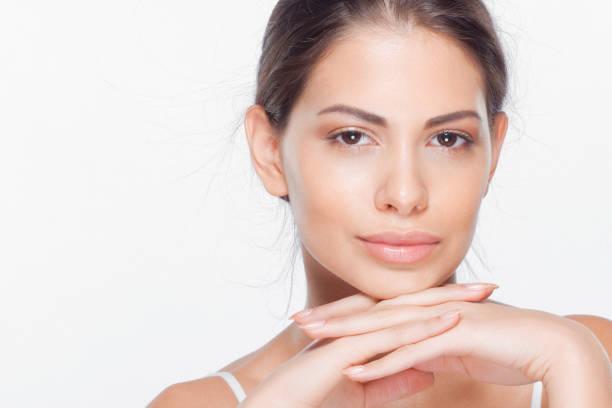
Bright, healthy-looking skin is a common skincare goal, and many people explore different treatments to improve uneven skin tone and reduce the appearance of pigmentation. Glutathione is a naturally occurring antioxidant that has attracted attention in the beauty industry because of its proposed influence on melanin production and skin appearance. People researching Glutathione injections in Riyadh (حقن الجلوتاثيون في الرياض) often want to know whether these treatments can make their complexion look brighter, reduce dark spots, or create a more even skin tone. Although glutathione has important functions in the body, the scientific evidence supporting injectable glutathione for skin brightening remains limited. Understanding how it works, its potential limitations, and the available alternatives can help you make informed skincare decisions.
What Is Glutathione and How Does It Work?
Glutathione is an antioxidant naturally produced by the body from three amino acids: glutamate, cysteine, and glycine. It is present in cells throughout the body and helps protect them against oxidative stress caused by reactive molecules. It also supports several essential cellular processes and helps maintain the body's antioxidant defense system. In cosmetic skincare, glutathione is frequently discussed because of its proposed effects on melanin, the pigment responsible for skin color. However, its natural antioxidant activity does not automatically mean that additional glutathione will produce visible skin-brightening results.
Can Glutathione Injections Help Brighten the Skin?
Glutathione injections are promoted in some cosmetic settings as a treatment for improving skin brightness and reducing pigmentation. Some research has investigated whether glutathione may influence the biological pathways involved in melanin production. However, studies remain limited, and the evidence does not establish that injectable glutathione consistently produces noticeable or long-lasting skin-brightening effects. Results cannot be guaranteed, and the long-term safety of repeated injections for cosmetic purposes remains uncertain. Anyone considering this treatment should discuss its potential risks and limitations with a qualified healthcare professional before proceeding.
How Glutathione May Influence Melanin Production
Melanin is the natural pigment that gives skin its color and helps protect it against ultraviolet radiation. Its production is influenced by genetics, hormones, inflammation, and sun exposure. Researchers have investigated whether glutathione can affect certain biochemical processes involved in melanin production. Although these mechanisms are scientifically interesting, they do not prove that glutathione injections will lighten an individual's complexion. More high-quality clinical research is needed to determine whether injectable glutathione is effective and safe for cosmetic pigmentation concerns.
Potential Effects on Uneven Skin Tone
Uneven skin tone may develop because of sun exposure, acne-related inflammation, melasma, or other dermatological conditions. Glutathione injections are sometimes marketed as a way to improve these concerns, but they have not been established as a reliable treatment for pigmentation disorders. Identifying the underlying cause is essential because different conditions require different approaches. A dermatologist can assess your skin and recommend treatments that are better supported by clinical evidence.
What Factors Affect Skin Brightness?
Skin brightness depends on several factors, and no single treatment can address every cause of dullness or uneven pigmentation.
Sun Exposure and UV Damage
Exposure to ultraviolet radiation can increase pigmentation and contribute to premature skin aging. Regular use of broad-spectrum sunscreen with SPF 30 or higher, protective clothing, and appropriate sun-avoidance habits can help prevent additional sun damage. These measures are particularly important for people concerned about dark spots and uneven skin tone.
Hydration and Skin Barrier Health
Dehydrated skin may appear dull, rough, or less radiant. Using a gentle cleanser and a suitable moisturizer can help maintain the skin barrier and improve its overall appearance. Consistent skincare habits can support healthy-looking skin without relying on treatments with uncertain cosmetic benefits.
Lifestyle and Individual Skin Characteristics
Genetics, natural skin tone, sleep, nutrition, and existing skin conditions can influence how the skin looks. A balanced diet, adequate sleep, and a consistent skincare routine support general well-being, although they cannot guarantee a particular complexion or eliminate pigmentation.
Are Glutathione Injections Safe for Skin Brightening?
Glutathione occurs naturally in the body, but injectable products can carry risks. Potential complications include allergic reactions, injection-site problems, and adverse effects associated with contaminated or improperly prepared formulations. The safety of repeated injections for cosmetic purposes has not been adequately established.
Before considering Glutathione injections in Riyadh, consult a qualified healthcare professional who can review your medical history, allergies, current medications, and treatment goals. Ask about the product's source, its intended use, the evidence supporting the treatment, and possible alternatives. Avoid self-injection and products obtained from unreliable sources. If skin brightening is your primary goal, a dermatologist may recommend established options, such as topical treatments and sun protection, based on your individual needs.
What Are the Alternatives for Brighter-Looking Skin?
Several established skincare approaches can help improve the appearance of uneven pigmentation and support a healthy complexion.
-
Daily sunscreen: Helps prevent sun-induced pigmentation and protects the skin from ultraviolet damage.
-
Vitamin C skincare products: May help improve the appearance of uneven tone and provide antioxidant support when appropriately formulated.
-
Niacinamide: May help support the skin barrier and improve the appearance of some forms of uneven pigmentation.
-
Retinoids: Certain formulations may help address acne and pigmentation concerns, although they can cause irritation and are not suitable for everyone.
-
Professional dermatological treatments: A dermatologist may recommend prescription products or procedures depending on the type and severity of pigmentation.
The most appropriate option depends on your skin type, medical history, and the underlying cause of discoloration. Professional guidance can help you avoid irritating products and unrealistic treatment claims.
Book an Appointment at Royal Clinic Saudia
If you are exploring options for brighter, healthier-looking skin, Royal Clinic Saudia (عيادات رويال كلينك) can be your starting point for discussing your skincare concerns and available treatments. Book a consultation to learn about the potential benefits and limitations of glutathione injections and explore alternatives suited to your needs. A professional assessment can help you make an informed decision that prioritizes your skin health and safety.
FAQs:
How long does it take for glutathione injections to brighten the skin?
There is no established timeline for skin-brightening results because current research does not reliably demonstrate how quickly injectable glutathione affects pigmentation. Individual outcomes are unpredictable, and visible changes cannot be guaranteed.
Can glutathione injections remove dark spots permanently?
There is insufficient evidence that glutathione injections permanently remove dark spots. The appropriate treatment depends on the underlying cause of pigmentation, and a dermatologist can recommend suitable options.
Are glutathione injections suitable for every skin type?
No. Suitability depends on individual health, medical history, and treatment goals. Injectable glutathione has not been established as a reliable skin-brightening treatment for all skin types, and professional assessment is important before considering it.
What is the safest way to achieve brighter-looking skin?
Daily sunscreen, gentle skincare, appropriate moisturizing, and dermatologist-recommended treatments are sensible starting points. If pigmentation persists, seek professional advice to identify the cause and select an evidence-based treatment rather than relying on unproven skin-lightening claims.

 Arabic
 French
 Spanish
 Portuguese
 Deutsch
 Turkish
 Dutch
 Italiano
 Russian
 Romaian
 Portuguese (Brazil)
 Greek
