

Can Eczema Be Mistaken for a Fungal Skin Infection?
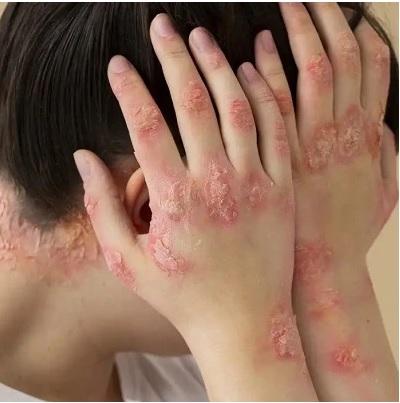
Eczema and fungal skin infections can cause redness, itching, dryness, and irritated patches that may look similar at first. Both conditions can affect different areas of the body, including the hands, feet, arms, legs, and torso. However, they have different causes and often require different treatments. Understanding how to distinguish between them can help people recognize when professional assessment is necessary and explore suitable Eczema treatment in Riyadh (علاج الإكزيما في الرياض) based on their symptoms and skin condition.
Eczema develops because of inflammation and problems with the skin barrier, while fungal skin infections occur when fungi grow on the skin or its outer layers. Some fungal infections create round, scaly patches that resemble certain types of eczema, making it difficult to identify the condition by appearance alone. Using the wrong treatment may delay recovery or worsen symptoms. People considering Eczema treatment in Riyadh should seek a proper diagnosis if a rash persists, spreads, or does not respond to basic skincare.
What Is Eczema?
Eczema is a group of inflammatory skin conditions that can cause itching, dryness, redness, scaling, and irritation. Atopic dermatitis is one of the most common types and often occurs in people whose skin barrier does not retain moisture effectively.
Eczema may affect the hands, elbows, knees, face, neck, or other areas of the body. Symptoms can come and go, with flare-ups triggered by factors such as harsh soaps, fragrances, sweating, dry weather, or repeated contact with irritating substances. Eczema is not contagious, although scratching can damage the skin and increase the risk of a secondary infection.
What Is a Fungal Skin Infection?
A fungal skin infection occurs when certain fungi multiply on the skin, nails, or other body surfaces. One common example is ringworm, also known as tinea, which is caused by fungi rather than a worm. Despite its name, ringworm can affect different areas of the body and may produce round or oval patches.
Other fungal infections include athlete's foot, which affects the feet, and jock itch, which commonly affects the groin. Fungal infections may spread through direct contact with an infected person or animal, contaminated surfaces, or shared personal items, depending on the type of infection.
How Can You Tell Eczema and Fungal Infections Apart?
Appearance of the Rash
Eczema often produces dry, rough, itchy patches. The skin may look red, pink, brown, purple, or darker than the surrounding area, depending on the person's skin tone. During a flare-up, patches may crack, become swollen, or develop crusting.
Ringworm often appears as a circular or oval patch that expands outward. It may have a more noticeable, raised, or scaly edge, sometimes with clearer-looking skin in the center. However, not all fungal infections have this classic appearance, and some eczema patches can also be round.
Location on the Body
Eczema can appear on many body areas. Atopic dermatitis frequently affects the hands, neck, elbows, knees, and skin folds, although its distribution varies with age and individual circumstances.
Fungal infections may occur in warm, moist areas, between the toes, around the groin, or on exposed areas of the body. Ringworm can also affect the scalp, feet, nails, or other locations, depending on the type of fungus.
Itching and Other Symptoms
Both conditions can cause significant itching. Eczema may be accompanied by persistent dryness, sensitive skin, and recurring flare-ups. Fungal infections may gradually spread or develop a more defined scaly border.
Symptoms alone are not always reliable enough to distinguish between them. A fungal infection can also cause inflammation, while eczema may sometimes become infected, so a professional examination may be necessary.
Contagiousness
Eczema itself is not contagious and cannot be passed from one person to another through ordinary contact. Fungal skin infections can be contagious, depending on the type, and may spread through close contact or shared items such as towels, clothing, and grooming equipment.
Until a rash has been assessed, avoid sharing personal items and keep the affected area clean. These precautions can help reduce the potential spread of a fungal infection.
Why Can Eczema Be Mistaken for Ringworm?
Both eczema and ringworm may cause itchy, scaly, rounded patches. Nummular eczema, in particular, can resemble ringworm because it produces coin-shaped areas of inflammation. The difference may not be obvious without considering the rash's progression, location, and other symptoms.
Some people may try an over-the-counter steroid cream because they assume the rash is eczema. Steroids can reduce redness temporarily, but when used alone on an untreated fungal infection, they may mask its appearance and allow it to worsen or spread. This reaction is sometimes called steroid-modified tinea.
For this reason, a persistent or expanding circular rash should be assessed before treatment is started, particularly if its cause is uncertain.
How Are Eczema and Fungal Infections Diagnosed?
A healthcare professional usually examines the rash and asks when it began, whether it has spread, what products or medicines have been used, and whether there has been contact with a potentially infected person or animal.
If a fungal infection is suspected, the clinician may take a small skin scraping to examine for fungal elements or send a sample for laboratory testing. Other tests may be considered if the diagnosis remains unclear or the rash does not improve with treatment.
An accurate diagnosis helps ensure that the treatment addresses the actual cause rather than simply reducing visible inflammation.
Treatment Options for Eczema
Eczema treatment focuses on reducing inflammation, relieving itching, and restoring the skin barrier. Regular use of fragrance-free moisturizers, gentle cleansing, and avoiding known irritants can help manage symptoms.
A dermatologist may recommend a topical corticosteroid or another prescription anti-inflammatory medicine depending on the affected area and severity. These treatments should be used according to medical instructions, especially on the face and other sensitive areas.
People seeking Eczema treatment in Riyadh should have persistent or recurring rashes evaluated to confirm that eczema is the correct diagnosis before beginning or changing medication.
Treatment Options for Fungal Skin Infections
Fungal infections are generally treated with antifungal medicines. Depending on the location and severity, a clinician may recommend a topical antifungal cream or another treatment. More extensive infections, scalp involvement, or nail infections may require different prescription approaches.
Follow the treatment instructions and complete the recommended course, even if the rash starts to improve. Keep affected areas dry when appropriate, avoid sharing towels or clothing, and wash items that may have come into contact with the infection.
Avoid using steroid creams alone on a rash that may be fungal unless a healthcare professional has advised a specific treatment plan.
When Should You See a Dermatologist?
Seek professional advice if a rash is spreading, repeatedly returns, becomes painful, affects the scalp or nails, or does not improve with appropriate care. Medical assessment is also important if you are unsure whether the rash is eczema or a fungal infection.
Get prompt medical attention if the skin becomes increasingly warm, swollen, painful, develops pus, or shows rapidly spreading redness. These signs may indicate a secondary infection that requires treatment.
Book a Dermatology Consultation at Royal Clinic Saudia
Itchy or scaly skin patches can have several causes, and the correct treatment depends on an accurate diagnosis. Royal Clinic Saudia (عيادات رويال كلينك) can help you discuss your skin concerns and explore suitable dermatology care based on your symptoms. Arrange a consultation to understand the cause of your rash and learn about an appropriate treatment plan.
FAQs:
Can ringworm look like eczema?
Yes. Ringworm can cause round, itchy, scaly patches that resemble eczema, particularly nummular eczema. A clinician may examine the skin or take a scraping to determine whether a fungal infection is present.
Can eczema turn into a fungal infection?
Eczema does not turn into a fungal infection. However, damaged or irritated skin may be more vulnerable to certain infections, and a person can have eczema and a fungal infection at the same time.
Is it safe to use steroid cream on an itchy circular rash?
It is best to have an uncertain rash assessed before using a steroid cream on it. Steroids may temporarily hide the signs of a fungal infection while allowing it to worsen if the infection is not treated appropriately.
How can I tell whether my rash needs eczema treatment or antifungal medicine?
Appearance alone may not provide a reliable answer. A dermatologist can examine the rash and, when needed, perform a simple test for fungal infection before recommending the appropriate treatment.

 English
 Arabic
 French
 Spanish
 Portuguese
 Deutsch
 Turkish
 Dutch
 Russian
 Romaian
 Portuguese (Brazil)
 Greek
