

Bone Grafting for Dental Implants: When Is It Necessary?
Introduction
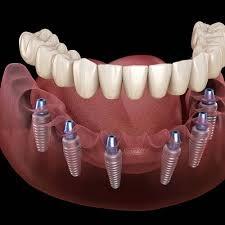
Dental implants are a popular solution for replacing missing teeth because they provide stability, support chewing, and help restore a natural-looking smile. However, successful implant placement depends partly on having enough healthy jawbone to support the implant. When the jawbone lacks sufficient height, width, or density, a dentist may recommend a procedure called bone grafting for dental implants.
Bone grafting helps rebuild or preserve the jawbone so an implant can be placed in a suitable position. It is not necessary for every patient, but it can be an important step for people who have experienced bone loss after tooth extraction, gum disease, injury, or prolonged tooth loss.
If you are considering a Dental Implant in Islamabadhttps://themasterdentist.com/dental-implants-in-islamabad/, understanding bone grafting can help you prepare for treatment and discuss your options with your dentist.
What Is Bone Grafting for Dental Implants?
Bone grafting is a dental procedure that adds bone material to an area where the jawbone is insufficient. The graft provides a framework that allows your body to develop new bone over time.
Dental implants are usually placed into the jawbone, where they gradually integrate with the surrounding bone. If there is not enough bone to support the implant securely, grafting may be recommended before or during implant placement.
Bone grafting may help:
-
Increase the width or height of the jawbone.
-
Improve the foundation available for an implant.
-
Restore bone lost after tooth extraction or gum disease.
-
Support appropriate implant positioning.
-
Improve the long-term stability of implant treatment when bone deficiency is the limiting factor.
The need for bone grafting is determined through a clinical examination and appropriate imaging, rather than simply by the number of missing teeth.
When Is Bone Grafting Necessary for Dental Implants?
Bone grafting is recommended when the existing jawbone cannot adequately support an implant in the planned position. Several conditions may lead to this situation.
1. Bone Loss After Tooth Extraction
When a tooth is removed, the surrounding jawbone can gradually shrink because it no longer receives the same stimulation from the tooth root. This process is known as bone resorption.
The amount of bone loss varies between patients and depends on factors such as the original tooth condition, extraction site, infection, and healing.
A dentist may recommend socket preservation, a type of bone grafting performed around the time of extraction, to help limit bone loss and maintain the site's shape for a possible future implant.
2. Advanced Gum Disease
Periodontal disease affects the tissues supporting the teeth, including the jawbone. If gum disease progresses, it can destroy bone around the affected teeth.
Patients who have lost teeth because of advanced gum disease may have insufficient bone for conventional implant placement.
Before implant treatment, active gum disease must be controlled. Bone grafting may then be considered if the remaining bone does not provide adequate support.
3. Long-Term Missing Teeth
People who have been missing teeth for several years may experience gradual jawbone shrinkage. This is particularly relevant when a tooth has been absent for a long time without replacement.
A dental examination can help determine whether enough bone remains for implant placement or whether grafting is required.
4. Insufficient Bone Width or Height
Some patients naturally have a narrow jawbone or insufficient bone height in a particular area. Others lose bone following trauma, infection, or previous dental procedures.
Bone grafting may help rebuild the affected area. Depending on the location, the dentist may recommend ridge augmentation or another specialised grafting procedure.
5. Bone Deficiency in the Upper Back Jaw
The upper back jaw is close to the maxillary sinus, an air-filled space above the upper teeth. When bone height is limited in this region, a dentist may recommend a sinus lift, also known as sinus augmentation.
This procedure adds bone material beneath the sinus membrane to create additional support for an implant when appropriate.
Not every patient with limited upper-jaw bone needs a sinus lift. The decision depends on the available bone, implant requirements, and individual anatomy.
Types of Bone Grafts Used in Dental Implant Treatment
Dentists can use different graft materials depending on the size of the defect, treatment goals, and patient needs.
-
Autograft: Bone taken from another area of the patient's own body. It may be used in selected cases and requires an additional surgical site.
-
Allograft: Processed bone material obtained from a human donor through an appropriate tissue source.
-
Xenograft: Bone-derived material from another species, commonly bovine, that is processed for medical use.
-
Alloplast: A synthetic bone substitute designed to support bone regeneration.
A protective membrane may also be used to help guide bone healing in selected procedures.
There is no single best graft material for every patient. Your dentist or oral surgeon will consider the defect, medical history, surgical approach, and expected healing before recommending a material.
How Does Bone Grafting for Dental Implants Work?
Although the exact process varies, bone grafting generally involves several stages.
Step 1: Dental Examination and Imaging
The dentist examines the mouth, gums, and missing-tooth area. Dental X-rays or three-dimensional CBCT imaging may be used to assess bone dimensions and nearby anatomical structures.
Step 2: Treatment Planning
The dental professional determines whether grafting is needed and explains the recommended procedure, graft material, possible risks, and expected timeline.
Step 3: Graft Placement
The area is numbed with local anaesthesia. The dentist accesses the affected bone, places the graft material, and may use a membrane before closing the site with stitches.
Step 4: Healing and Bone Regeneration
The graft integrates with the surrounding tissues as new bone develops. Healing time varies according to the procedure, graft size, location, and individual health.
Step 5: Dental Implant Placement
Once the area has healed sufficiently, the dentist reassesses the bone and places the implant if conditions are suitable. In selected cases, grafting and implant placement can be performed during the same appointment.
How Long Does Bone Grafting Take to Heal?
Bone graft healing depends on the type and extent of the procedure.
-
Minor grafting: May require several months before implant placement.
-
Larger ridge augmentation: May need a longer healing period, sometimes six months or more.
-
Sinus augmentation: Often requires several months for the graft to mature, depending on the available bone and surgical technique.
-
Simultaneous grafting and implant placement: May be possible when sufficient native bone provides initial implant stability.
These are general estimates, not guaranteed timelines. Your dentist will determine when the bone is ready for implant placement.
During recovery, mild swelling, bruising, tenderness, or minor bleeding may occur. Follow your dentist's instructions about oral hygiene, medication, diet, and activity.
Contact your dental professional promptly if you develop worsening pain, increasing swelling, fever, persistent bleeding, or other concerning symptoms.
Is Bone Grafting Safe?
Bone grafting is a commonly performed procedure in implant dentistry, but, like any surgery, it has potential risks. These may include infection, bleeding, swelling, graft exposure, delayed healing, or failure of the graft to integrate adequately.
Certain factors can affect healing, including smoking, uncontrolled diabetes, active gum disease, poor oral hygiene, and some medications or medical conditions.
To support recovery:
-
Follow all prescribed aftercare instructions.
-
Avoid smoking and tobacco products during healing.
-
Keep the surgical area clean as directed.
-
Attend scheduled follow-up appointments.
-
Inform your dentist about all medications and existing medical conditions.
A qualified dental professional can explain the risks relevant to your individual circumstances.
Bone Grafting Cost for Dental Implants in Islamabad
The cost of bone grafting varies according to the complexity of the procedure and the materials used. There is no single price that applies to every patient.
Factors affecting the cost include:
-
The amount of bone that needs rebuilding.
-
The type and quantity of graft material.
-
Whether a sinus lift or membrane is required.
-
Whether grafting is performed alone or alongside implant placement.
-
Imaging, medication, follow-up appointments, and other treatment needs.
If you are exploring a Dental Implant in Islamabad, ask for an itemised treatment estimate covering both bone grafting and implant treatment. This makes it easier to understand the complete cost rather than comparing implant prices alone.
Dental Implant in Islamabad: Consultation at The Dentist Master
If you are considering dental implants, The Dentist Master can be mentioned as a clinic to contact about assessment and tooth replacement options in Islamabad. A consultation should establish whether your jawbone is suitable for implant placement or whether bone grafting may be required.
Your dentist can review your dental history, examine your gums, assess missing-tooth areas, and recommend appropriate imaging when necessary. Based on these findings, the dental professional can explain the available treatment options, estimated healing period, total cost, and potential risks.
Before starting treatment, ask about the clinician's qualifications, experience with bone grafting, graft materials, follow-up care, and the plan for implant placement. A personalised assessment is essential because some patients can receive implants without grafting, while others benefit from additional bone support.
Conclusion
Bone grafting can be an important part of dental implant treatment when the jawbone lacks the height, width, or support required for predictable implant placement. It may be recommended after tooth loss, advanced gum disease, prolonged gaps without teeth, or insufficient bone near the upper jaw sinus.
However, bone grafting is not necessary for every dental implant patient. Some people have sufficient bone for direct implant placement, while others need grafting before or during surgery.
If you are considering a Dental Implant in Islamabad, arrange a professional dental assessment to determine your bone health and the most suitable treatment plan. Understanding your options, healing timeline, and expected costs will help you make a more informed decision.
Frequently Asked Questions
1. Is bone grafting always necessary?
No. Bone grafting is needed only when the existing jawbone is insufficient for the planned implant.
2. Is bone grafting painful?
Local anaesthesia is used during the procedure. Some discomfort and swelling may occur afterward.
3. How long does a dental bone graft take to heal?
Healing often takes several months, depending on the graft size, location, and individual recovery.
4. Can implants be placed without bone grafting?
Yes. If enough healthy jawbone is available, an implant may be placed without grafting.
5. What causes bone loss in the jaw?
Common causes include tooth loss, gum disease, infection, trauma, and natural bone resorption after extraction.

 English
 Arabic
 Spanish
 Portuguese
 Deutsch
 Turkish
 Dutch
 Italiano
 Russian
 Romaian
 Portuguese (Brazil)
 Greek
