

How Often Should You Repeat PRP Hair Treatment?
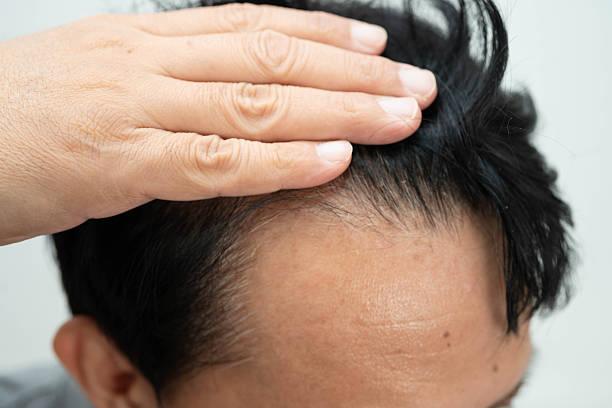
Platelet-rich plasma (PRP) hair treatment is a non-surgical procedure that uses a concentrated portion of a patient's own blood to support hair follicle activity and help manage certain types of hair thinning. For people considering this treatment, understanding the recommended session schedule is important for setting realistic expectations and planning follow-up care. The frequency of PRP Hair Treatment in Riyadh depends on factors such as the cause of hair loss, the condition of the scalp, the individual's response to treatment, and the recommendations of a qualified healthcare professional.
PRP is commonly performed as a series of initial sessions followed by periodic maintenance when appropriate. However, there is no single schedule that works for every patient, and research has not established one universally accepted treatment protocol. Some people may benefit from several sessions spaced a few weeks apart, while others may need a different approach based on their hair loss pattern and medical history. Before starting PRP Hair Treatment in Riyadh, patients should discuss the proposed schedule with their provider and understand that repeating sessions does not guarantee better results.
How Often Are Initial PRP Sessions Recommended?
Many hair restoration providers recommend an initial course of PRP sessions rather than relying on a single treatment. A commonly used approach involves approximately three sessions, with each session separated by around four to six weeks. The exact interval may vary according to the clinician's protocol, the patient's needs, and the available clinical evidence.
The purpose of an initial course is to provide repeated treatment while the hair growth cycle progresses. However, the number of sessions and the spacing between them should be individualised. Your provider should explain why a particular schedule is recommended and how progress will be assessed before additional sessions are planned.
Why Is More Than One Session Sometimes Needed?
Hair grows in cycles, and changes in density or thickness usually take time to become visible. A single PRP session may not provide enough information to determine how well a person will respond. Repeated sessions may be recommended to assess whether the treatment is helping support hair growth over time.
PRP contains platelets that release growth factors involved in cellular signalling and tissue repair. These factors may influence the environment around hair follicles, although the exact mechanisms and clinical effects continue to be studied. Multiple sessions are used in some treatment protocols, but more frequent injections do not necessarily produce better results.
When Should You Repeat PRP After the Initial Course?
After completing the initial sessions, your clinician may recommend a follow-up assessment to review changes in shedding, hair density, and scalp condition. If the treatment appears beneficial, maintenance sessions may be considered.
Some providers schedule maintenance treatments every three to six months, while others use different intervals or recommend further treatment only after reviewing the patient's progress. These schedules are not universal medical rules. The timing should depend on the observed response, the underlying cause of hair loss, and the clinician's assessment.
It is also important to understand that maintenance treatment may not be necessary for everyone. If you experience little or no improvement, your provider may reassess the diagnosis or discuss other options rather than continuing sessions automatically.
What Factors Affect How Often PRP Is Needed?
Several factors can influence the recommended treatment frequency.
The Cause of Hair Loss
PRP is most commonly studied for androgenetic alopecia, also known as pattern hair loss. It may help some patients with this condition, but the evidence and response can vary. Hair shedding caused by illness, nutritional deficiencies, thyroid problems, or certain scalp disorders may require treatment directed at the underlying cause.
The Condition of Your Hair Follicles
Follicles that remain active may respond differently from areas where follicles have been permanently damaged or destroyed. The degree and pattern of thinning can therefore influence expectations and the treatment plan.
Your Response to Previous Sessions
Your clinician may assess changes in hair density, shedding, and the appearance of the scalp before recommending further treatment. If improvement is limited, repeating the same procedure without reassessing the cause may not be the most appropriate approach.
Your General Health and Medications
Medical conditions, platelet-related problems, and certain medications can affect whether PRP is appropriate. Your provider should review relevant health information before each treatment when necessary.
How Long Does It Take to See Results?
PRP does not usually produce immediate visible hair growth. If the treatment is effective, some patients may begin noticing changes after several weeks or a few months. More noticeable changes may take several months because hair follicles follow a natural growth cycle.
Results vary from person to person, and some individuals may experience limited improvement. Taking photographs under consistent lighting and discussing changes during follow-up appointments can help you and your clinician assess progress more objectively.
For patients considering PRP Hair Treatment in Riyadh, it is important to understand that treatment frequency should be guided by measurable progress and medical advice rather than expectations of rapid results.
Can You Repeat PRP Too Frequently?
Having sessions more often than recommended does not guarantee faster or better hair growth. Frequent injections may increase discomfort, bruising, scalp irritation, and the burden of repeated procedures without providing additional benefit.
Follow the treatment schedule agreed upon with your healthcare professional. If you are unsure whether another session is necessary, discuss your results and concerns before booking. Your provider should explain the potential benefits, limitations, and risks of continuing treatment.
How Can You Support Your Results Between Sessions?
A consistent hair-care routine can help reduce avoidable damage while you follow your treatment plan. Eat a balanced diet, avoid crash dieting, limit excessive heat styling, and handle your hair gently. Seek medical advice if you suspect a nutritional deficiency or notice sudden changes in shedding.
Your clinician may also discuss established hair-loss treatments when appropriate. Do not start, stop, or change prescribed medication or supplements without professional advice. Following up regularly can help determine whether your current approach remains suitable.
Book a Consultation at Royal Clinic Saudia
If you are considering PRP or wondering when to repeat your sessions, book a consultation with Royal Clinic Saudia. A qualified clinician can assess your hair and scalp, review your response to previous treatment, and recommend a personalised schedule based on your needs and medical history.
FAQs:
How many PRP hair treatment sessions are usually needed?
Some treatment plans begin with approximately three sessions spaced several weeks apart. However, the number required varies, and your clinician should tailor the plan to your condition and response.
How often should maintenance PRP sessions be scheduled?
Some providers recommend maintenance every three to six months, but there is no universal schedule. Your clinician should determine whether maintenance is appropriate and when it should occur.
Can I repeat PRP treatment every month?
Monthly sessions may be used during some initial treatment courses, but the schedule should follow your provider's recommendations. Continuing monthly treatment indefinitely is not automatically necessary or more effective.
What if I do not see results after several PRP sessions?
If improvement is limited, consult your provider before booking additional sessions. They may reassess the cause of hair loss, review your treatment response, and discuss alternative or complementary options.

 English
 Arabic
 French
 Spanish
 Portuguese
 Deutsch
 Turkish
 Dutch
 Italiano
 Romaian
 Portuguese (Brazil)
 Greek
