

Security Operations for Modern Businesses
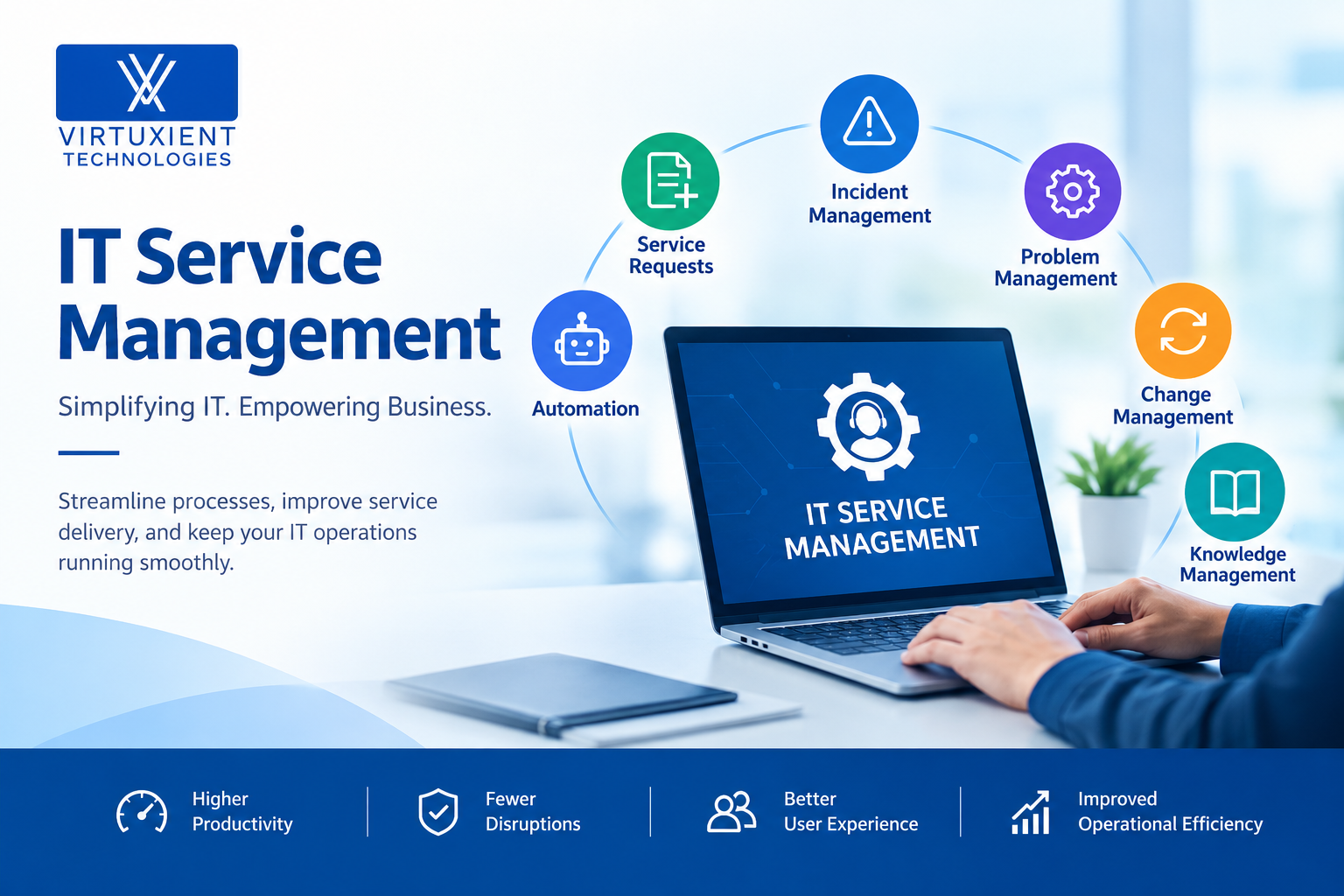
Security Operations is an essential part of protecting businesses against cyber threats, unauthorized access, and data breaches. It involves identifying security risks, monitoring digital systems, investigating suspicious activities, and responding to incidents. As organizations adopt cloud services and digital platforms, effective security practices help safeguard sensitive information and maintain business continuity.
Understanding Security Operations
Security Operations focuses on detecting, analyzing, and managing cybersecurity threats before they cause serious damage. Security teams monitor networks, applications, and systems to identify unusual behavior. They investigate potential attacks, assess their impact, and take appropriate actions to minimize risks. A structured security approach helps organizations maintain better visibility into their digital environments and respond quickly to emerging threats.
ServiceNow Security Operations
ServiceNow Security Operations (SecOps) helps organizations coordinate security processes and improve incident response. It connects security activities with business services, enabling teams to understand which incidents may have the greatest operational impact. By centralizing security information and automating workflows, ServiceNow SecOps helps security professionals manage incidents more efficiently.
Security Incident Response supports the investigation and resolution of security incidents. Vulnerability Response helps organizations identify vulnerabilities, prioritize remediation, and coordinate corrective actions. These capabilities allow security and IT teams to work together more effectively while maintaining a structured approach to cybersecurity management.
Benefits of Security Operations
An effective Security Operations strategy provides several benefits for businesses. First, continuous monitoring helps teams identify suspicious activities and potential threats earlier. Second, automated workflows reduce repetitive administrative tasks and allow security professionals to focus on important investigations.
Centralized incident management improves communication between departments and provides a clearer view of security issues. Organizations can also prioritize vulnerabilities based on severity, exposure, and business impact. This approach helps teams allocate resources efficiently and address the most critical risks first.
Automation and Threat Management
Automation plays an important role in modern Security Operations. Automated processes can assign incidents, notify responsible teams, track remediation activities, and maintain records of security investigations. These capabilities reduce delays and help ensure that security procedures are followed consistently.
Integrating security tools with a centralized platform can also improve information sharing and coordination. Security teams can use available data to investigate incidents, evaluate risks, and make informed decisions. However, experienced professionals remain important for handling complex threats and determining the appropriate response.
Conclusion
Security Operations helps organizations protect their digital assets, manage cybersecurity incidents, and reduce potential business disruptions. ServiceNow Security Operations provides capabilities for incident response, vulnerability management, and workflow automation. By improving visibility and collaboration between security and IT teams, businesses can manage threats more systematically. Investing in effective security processes, modern technology, and continuous monitoring enables organizations to strengthen their cybersecurity posture and support safer digital operations.

 Arabic
 French
 Spanish
 Portuguese
 Deutsch
 Turkish
 Dutch
 Italiano
 Russian
 Romaian
 Portuguese (Brazil)
 Greek
