

Skin Tag Removal in UK: How Does a Doctor Distinguish Skin Tags From Other Skin Growths?
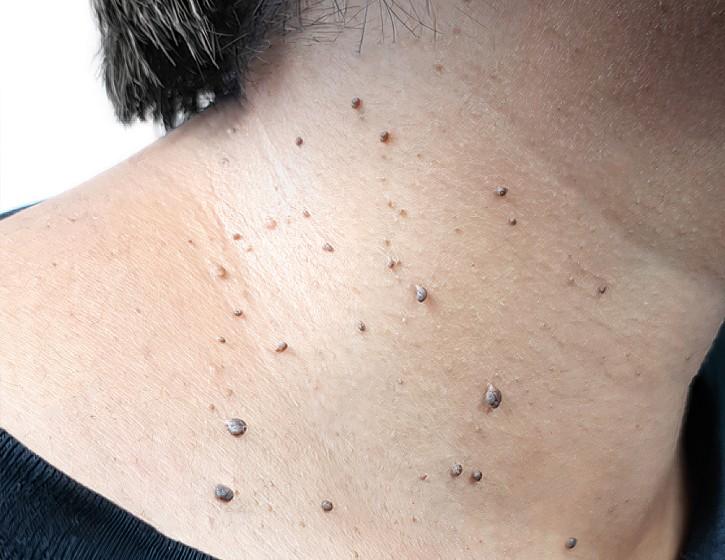
Skin growths are common and can appear on different parts of the body, including the neck, armpits, eyelids, groin and other areas where the skin experiences friction. While many of these growths are harmless, they do not all have the same appearance or characteristics. A small, soft growth may be a skin tag, but other conditions, such as warts, moles and certain types of skin lesions, can sometimes look similar.
Understanding the difference is important when deciding whether a growth needs treatment, monitoring or further assessment. A doctor considers several features, including the growth's shape, colour, texture, location and changes over time, before determining the most appropriate next step. This assessment helps establish whether a growth has the typical characteristics of a skin tag or requires a different approach.
For people considering Skin Tag Removal In UK, a professional consultation provides an opportunity to have the area examined and discuss suitable treatment options. At Well Life Clinic, understanding the nature of a skin growth is an important starting point when considering skin surgery services.
What Are Skin Tags?
Skin tags, medically known as acrochordons, are small growths that usually develop on the surface of the skin. They are generally soft, benign and connected to the surrounding skin by a narrow stalk or broader base. Their colour may resemble the surrounding skin, although some appear slightly darker.
Skin tags commonly develop in areas where skin rubs against skin or clothing. These include the neck, underarms, eyelids, beneath the breasts and groin. They may occur individually or in clusters, and their size can range from tiny, barely noticeable bumps to larger growths.
Although skin tags are usually harmless, they can become inconvenient when they catch on jewellery, rub against clothing or interfere with shaving. Some people also seek removal because a visible growth affects their confidence.
However, not every small growth is a skin tag. A doctor needs to distinguish between different types of skin lesions before discussing removal.
How Does a Doctor Assess a Skin Growth During Consultation?
The assessment usually begins with a discussion about the growth and a physical examination. Rather than relying on one characteristic, a doctor considers the overall appearance and relevant medical history.
Examining the Shape and Structure
One of the first features a doctor evaluates is the shape of the growth. Typical skin tags are soft and may hang slightly away from the skin, often attached by a thin stalk. Their surface is usually smooth, although larger or older skin tags can have a more irregular appearance.
Other skin growths may have a different structure. Warts, for example, often have a rough or uneven surface, while some moles appear flat or form a more solid, rounded bump. A growth with an unusual shape may require closer examination.
The attachment point also provides useful information. A narrow stalk is common in skin tags, but it is not sufficient on its own to confirm the diagnosis.
Checking the Colour
Colour is another important feature. Many skin tags are similar in colour to the surrounding skin, although they can appear brown or darker. Their appearance may also change if the growth becomes irritated.
Doctors compare the colour with other features, including the lesion's shape and surface. A growth showing several different colours, an unusual pattern or a recent unexplained colour change may need further assessment.
Colour alone cannot establish whether a growth is harmless. The doctor considers the complete clinical picture rather than making a decision based on pigmentation alone.
Assessing Texture and Consistency
Skin tags are generally soft and flexible. Depending on their size and attachment, they may move slightly when touched. In contrast, some other skin lesions feel firmer, have a rough surface or appear more firmly attached to the underlying skin.
A doctor may gently examine the growth to assess its texture and consistency. This helps distinguish a typical skin tag from conditions such as warts or other raised skin lesions.
The findings are interpreted alongside the growth's location, appearance and history. A firm or unusual lesion may need a different assessment pathway rather than routine skin tag removal.
Considering the Location
The location of a skin growth can provide useful clues. Skin tags commonly occur in areas exposed to repeated friction, including the neck, armpits, groin and skin folds.
Warts can occur on various parts of the body, while moles may appear almost anywhere. Other growths may be more common in particular locations or have characteristics that do not fit the usual pattern of a skin tag.
Although location can help guide the assessment, it does not confirm a diagnosis. A doctor considers it alongside the other clinical findings.
Skin Tags Versus Other Common Skin Growths
Several types of skin growth may resemble one another. Understanding their typical differences explains why an examination is useful before treatment.
Skin Tags and Warts
Warts are usually caused by certain types of human papillomavirus and may develop on the hands, feet and other areas of the body. They often have a rough, thickened surface and may feel firmer than a typical skin tag.
Skin tags, on the other hand, are usually soft and smooth, often with a narrow attachment to the skin. Their appearance can vary, so these differences are helpful clues rather than definitive diagnostic rules.
A doctor can examine the growth and determine whether it has the typical features of a wart or skin tag. This distinction matters because the appropriate treatment depends on the condition being treated.
Skin Tags and Moles
Moles are collections of pigment-producing cells and can be flat, raised, light brown, dark brown or similar in colour to the surrounding skin. Some raised moles may resemble skin tags, particularly when they are small and located around the neck or face.
A doctor evaluates the mole's shape, colour, borders and overall appearance. Changes in size, shape or colour, as well as irregular borders or several colours within one lesion, may indicate that further assessment is needed.
A suspected mole should not automatically be treated as a skin tag. If its features are unusual, the doctor may recommend an appropriate diagnostic assessment before discussing removal.
Skin Tags and Seborrhoeic Keratoses
Seborrhoeic keratoses are common, usually benign skin growths that can develop with age. They often appear as raised, waxy or rough patches that seem to sit on the skin's surface. Their colour can range from pale brown to dark brown or nearly black.
Unlike the typical soft, stalk-like appearance of a skin tag, these growths may have a thicker, more textured surface. However, some lesions can be difficult to distinguish without a clinical examination.
If a growth has an atypical appearance or the diagnosis is uncertain, a doctor may recommend further evaluation before selecting a treatment method.
Skin Tags and Other Skin Lesions
Not every raised bump is a skin tag, wart, mole or seborrhoeic keratosis. Some growths may represent cysts, benign tumours or other skin conditions. In certain cases, a lesion may need assessment to rule out a more serious cause.
A doctor considers whether the growth fits the usual pattern of a skin tag and whether there are any features that require additional investigation. If necessary, the clinician may recommend specialist review or a biopsy, depending on the findings.
This approach ensures that the decision about removal is based on the likely diagnosis rather than appearance alone.
Why Is the Growth's History Important?
The history of a skin growth can provide information that may not be obvious during a physical examination. A doctor may ask when the growth first appeared, whether it has changed and whether it causes discomfort.
A growth that has remained stable for a long time and has the typical appearance of a skin tag may be assessed differently from a lesion that has recently developed or changed noticeably.
Relevant questions may include:
- When was the growth first noticed?
- Has it increased in size or changed shape?
- Has its colour changed recently?
- Does it bleed, itch, become sore or develop a persistent crust?
- Has the area been repeatedly irritated by clothing, jewellery or shaving?
- Have similar growths appeared elsewhere?
These details help the doctor understand the lesion's development and determine whether routine removal is appropriate or further assessment is needed.
When Does a Skin Growth Need Further Assessment?
Most typical skin tags are benign, but an unusual growth should not automatically be assumed to be harmless. A professional assessment is particularly important when a lesion changes unexpectedly or does not resemble a typical skin tag.
A doctor may recommend further evaluation if the growth has an irregular shape, develops multiple colours, grows rapidly, Lump Removal In UK bleeds without an obvious cause or develops a persistent sore or crust. A new or changing lesion should also be assessed when its appearance raises concern.
These features do not necessarily mean that the growth is serious. They indicate that the diagnosis should be clarified before treatment is considered.
Avoid attempting to cut off, tie off or use unverified removal products on an unidentified growth. Self-treatment can interfere with an accurate assessment and may cause local injury. Seeking advice first allows the doctor to determine the appropriate next step.
What Happens After the Doctor Identifies a Skin Tag?
Once the doctor is satisfied that a growth is consistent with a skin tag, the next step is to discuss whether removal is appropriate. Small, uncomplicated skin tags that do not cause problems may not require treatment.
If removal is desired, the clinician considers the growth's size, location, attachment and the patient's preferences. The method selected depends on the individual assessment and the services available at the clinic.
Possible approaches include removal using sterile instruments, cutting away a suitable lesion under local anaesthetic, or other clinician-selected techniques where appropriate. Not every method is suitable for every growth, and a lesion that has not been confidently identified may need further investigation before removal.
The consultation also provides an opportunity to discuss the expected healing process and any aftercare instructions. Depending on the procedure and the area treated, Stitches And Wound Care In UK may be relevant when sutures or wound management are required.
If the growth is larger, deeper or more consistent with a lump than a typical skin tag, a different treatment pathway may be considered. In such circumstances, Lump Removal In UK may be relevant to the discussion, depending on the diagnosis and clinical suitability.
Why Choose a Professional Assessment at Well Life Clinic?
A professional assessment helps establish whether a skin growth is suitable for routine removal or requires a different approach. This is particularly important when the lesion is located on a visible area, has an unusual appearance or has changed over time.
At Well Life Clinic, patients considering skin surgery services can discuss their concerns and have the area assessed to determine the appropriate next step. The consultation provides an opportunity to explain the growth's history, ask questions and understand the available options.
The aim is to select an approach that reflects the nature of the lesion rather than assuming that every raised bump should be removed in the same way.
For anyone researching Skin Tag Removal In UK, an initial assessment can help clarify whether a growth is consistent with a skin tag and what treatment options may be appropriate.
Conclusion
Distinguishing skin tags from other skin growths requires more than looking at the size or colour of a bump. Doctors consider the lesion's shape, texture, attachment, location and history to determine whether it has the typical features of a skin tag or may represent another condition.
Warts, moles, seborrhoeic keratoses and other skin lesions can sometimes appear similar, making professional assessment an important first step. Changes in colour, shape, size or surface may indicate that further investigation is needed before treatment is selected.
For people considering Skin Tag Removal In UK, a consultation at Well Life Clinic can help establish the appropriate next step. By identifying the growth before discussing removal, the clinician can make a more informed decision about the most suitable management approach.
Frequently Asked Questions
1. How can a doctor tell if a growth is a skin tag?
A doctor examines its shape, colour, texture, attachment and location. Typical skin tags are soft, often smooth and may hang from the skin on a narrow stalk. The growth's history and any recent changes are also considered.
2. Can a wart look like a skin tag?
Yes. Some warts may resemble skin tags, but warts often have a rougher surface and a firmer texture. A doctor can assess the lesion's characteristics to help distinguish between the two.
3. Are skin tags and moles the same thing?
No. Skin tags are usually soft growths attached to the skin, while moles consist of pigment-producing cells and can be flat or raised. Some raised moles may resemble skin tags, so an examination may be needed to clarify the diagnosis.
4. Should a doctor examine a skin tag before removal?
Yes. Having the growth assessed helps confirm whether it is consistent with a skin tag and whether removal is appropriate. An unusual or uncertain lesion may require further evaluation before treatment.
5. When should I seek advice about a skin growth?
Seek medical advice if a growth changes in size, shape or colour, bleeds without an obvious reason, develops a persistent sore or crust, or looks different from your other skin growths. These changes do not always indicate a serious condition, but they should be assessed.
6. Can all skin tags be removed during one appointment?
Not necessarily. Whether removal can be completed during one appointment depends on the number, size and location of the growths, the initial assessment and the treatment method selected. The clinician can explain the options during consultation.
7. Is every raised skin growth suitable for routine skin tag removal?
No. Raised growths can have different causes, and some may require additional assessment or a different procedure. A doctor should establish the likely diagnosis before recommending removal.
8. What should I expect during a skin tag consultation at Well Life Clinic?
The consultation generally involves discussing when the growth appeared, whether it has changed and whether it causes any symptoms. The doctor examines the area and explains whether the growth appears suitable for removal or whether further assessment may be appropriate.
9. Can I remove a suspected skin tag at home?
It is best to have an unidentified growth assessed before attempting removal. Cutting, tying off or applying unverified products may injure the skin and make it harder to assess the original lesion accurately.
10. What is the next step if a doctor is unsure about a skin growth?
If the diagnosis is uncertain, the doctor may recommend further examination, specialist assessment or a biopsy where appropriate. The next step depends on the growth's characteristics and the findings of the initial consultation.

 English
 Arabic
 French
 Spanish
 Portuguese
 Turkish
 Dutch
 Italiano
 Russian
 Romaian
 Portuguese (Brazil)
 Greek
