

What Should Patients Know About Facial Proportions Before Rhinoplasty in Islamabad?
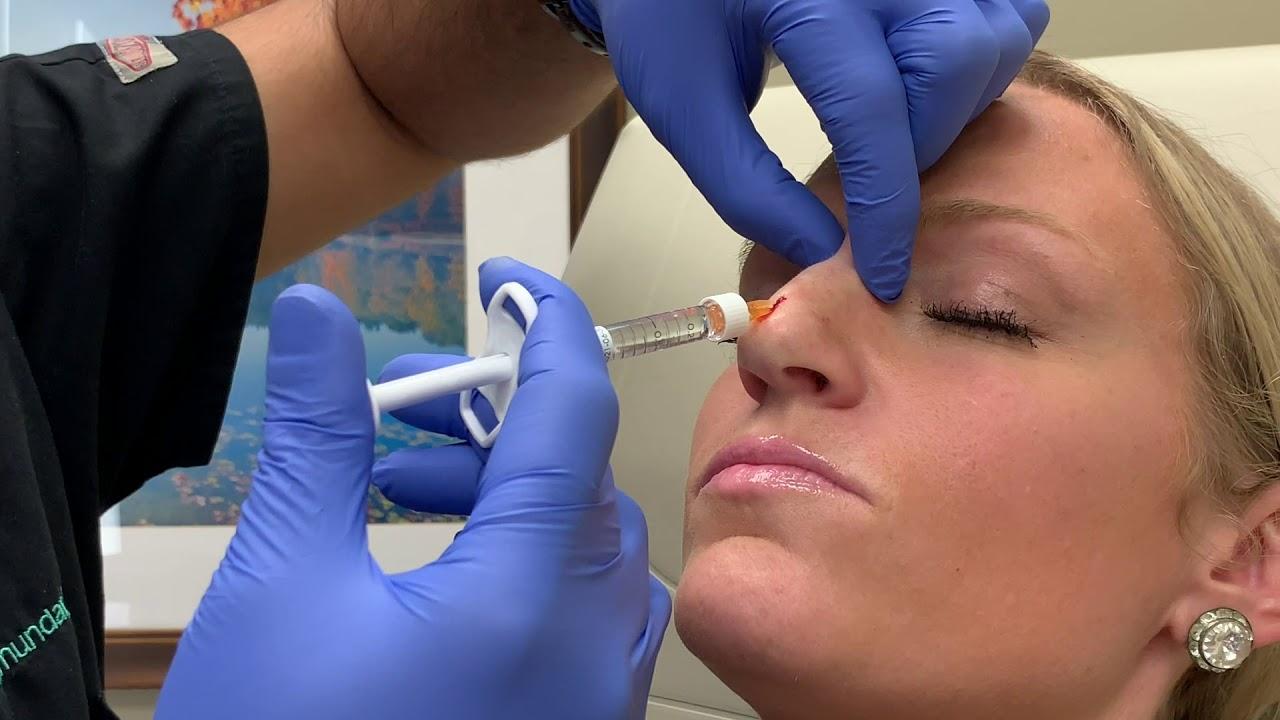
Rhinoplasty is a cosmetic or functional surgical procedure that reshapes the nose to improve its appearance, address structural concerns, or support better breathing. Before considering surgery, patients should understand that an attractive nose is not defined by a single shape or size. Instead, the nose should complement the overall facial structure, including the forehead, eyes, cheeks, lips, and chin.
For patients considering Rhinoplasty in Islamabad, understanding facial proportions can help them make informed decisions and communicate their expectations more effectively during a consultation. A qualified surgeon evaluates the nose in relation to the entire face rather than focusing on isolated features. This personalized approach can support more balanced results while respecting each patient's natural anatomy.
What Are Facial Proportions in Rhinoplasty?
Facial proportions describe the relationship between different facial features. In rhinoplasty, these relationships help a surgeon assess whether the nose appears harmonious with the rest of the face.
Important factors include:
-
Nasal width: The width of the nose should be evaluated in relation to the eyes, cheeks, and overall facial structure.
-
Nasal length: The distance from the bridge to the tip can influence how balanced the nose appears.
-
Nasal projection: This describes how far the nose extends from the face, particularly when viewed from the side.
-
Nasal tip shape: The tip's definition, rotation, and width affect the overall appearance of the nose.
-
Nose-to-chin relationship: The chin's projection can influence how prominent or small the nose appears in profile.
These features are not rigid beauty standards. Facial anatomy varies among individuals, and an appropriate surgical plan should account for natural differences rather than attempting to make every nose look alike.
How Facial Balance Influences Rhinoplasty Results
Facial balance is one of the key considerations during rhinoplasty planning. A change in one nasal feature can influence the appearance of other facial features, even when those features remain unchanged.
For example, reducing a prominent nasal bridge may create a softer profile. However, excessive reduction could make the nose appear less suitable for the patient's facial structure. Similarly, narrowing the nose too much may create an unnatural appearance or compromise important structural support.
Surgeons may assess the face from several perspectives:
-
Front view: Evaluates nasal width, symmetry, and alignment.
-
Side profile: Helps assess the nasal bridge, projection, tip position, and relationship with the chin.
-
Three-quarter view: Shows how the nose transitions into the cheeks and surrounding facial contours.
-
Overall facial appearance: Considers how nasal changes may complement the patient's other features.
The goal is not perfect mathematical symmetry. Natural faces have minor differences, and successful planning focuses on proportion, function, and individual suitability.
Why Your Natural Facial Structure Matters
A rhinoplasty plan should be tailored to the patient's anatomy, skin characteristics, and personal goals. A nasal shape that suits one person may not produce the same effect for another.
Several factors can influence the surgical approach:
-
Skin thickness: Thicker nasal skin may limit the visibility of fine tip definition, while thinner skin can reveal small irregularities more readily.
-
Bone and cartilage structure: These tissues determine the nose's framework and influence which changes may be practical.
-
Facial width and shape: A broader face may have different proportional relationships from a narrow or elongated face.
-
Chin and jaw projection: These features can affect how the nose appears in profile.
-
Breathing and nasal function: Structural changes must consider airflow and internal nasal support.
Patients should also share information about previous nasal injuries, surgeries, breathing difficulties, allergies, and relevant medical conditions. These details help the surgeon evaluate safety and develop an appropriate treatment plan.
What Happens During a Rhinoplasty Consultation?
A detailed consultation helps patients understand which changes may be achievable and how those changes could affect facial balance. It also provides an opportunity to discuss concerns, ask questions, and review potential risks.
A consultation may include:
-
Reviewing medical history and assessing nasal structure.
-
Examining facial proportions from different angles.
-
Discussing aesthetic preferences and functional concerns.
-
Explaining suitable surgical techniques and their limitations.
-
Reviewing potential complications, recovery expectations, and follow-up care.
-
Discussing photographs or digital simulations, where available, as planning aids rather than guaranteed predictions.
Patients should feel comfortable asking questions and should receive clear explanations instead of promises of perfect symmetry or a specific outcome.
Choosing a Rhinoplasty Clinic in Islamabad
Choosing an appropriate clinic is an important step for anyone considering nasal surgery. Patients should prioritize the surgeon's relevant qualifications, experience in rhinoplasty, surgical facility standards, and approach to patient safety.
SKN Cosmetics in Islamabad is a clinic patients can consider when researching cosmetic treatment options. Before proceeding with rhinoplasty, patients should arrange a consultation to understand their individual suitability, the surgeon's credentials, the proposed surgical plan, expected results, and possible risks. They should also confirm who will perform the procedure, where surgery will take place, and what postoperative support is available.
A trustworthy provider should explain both the potential benefits and limitations of rhinoplasty. Patients should avoid choosing a clinic solely because of promotional photographs, low prices, or claims of guaranteed results.
Setting Realistic Expectations Before Surgery
Understanding facial proportions can help patients establish realistic goals. Rhinoplasty can modify nasal shape, but it cannot guarantee perfect symmetry or transform every aspect of facial appearance.
Before surgery, patients should consider the following:
-
Focus on specific concerns rather than copying another person's nose.
-
Discuss desired changes openly with the surgeon.
-
Understand that the final result depends on anatomy, healing, and surgical limitations.
-
Ask about swelling, temporary changes in appearance, and the expected recovery timeline.
-
Follow postoperative instructions and attend scheduled follow-up appointments.
Swelling may take several months to settle, and subtle changes can continue for a year or longer, depending on the procedure and individual healing. Patients should follow their surgeon's guidance rather than judging the final outcome too early.
Conclusion
Facial proportions are an important consideration when planning rhinoplasty because the nose contributes to the balance of the entire face. Understanding nasal width, length, projection, tip shape, skin thickness, and surrounding facial features helps patients participate more confidently in treatment discussions.
For anyone exploring Rhinoplasty in Islamabad, the best starting point is a thorough consultation with a qualified surgeon who prioritizes facial harmony, breathing function, safety, and realistic expectations. An individualized approach can help patients make informed decisions about whether surgery is appropriate for their needs.
Frequently Asked Questions
Q1: Why are facial proportions important before rhinoplasty?
Answer: They help the surgeon plan nasal changes that complement the patient's natural facial structure.
Q2: Can rhinoplasty improve facial balance?
Answer: It may improve the relationship between the nose and other facial features, depending on individual anatomy.
Q3: Does every patient need the same nose shape?
Answer: No. Nasal shape should be planned according to individual anatomy, goals, and functional needs.
Q4: How long does it take to see rhinoplasty results?
Answer: Initial changes appear after surgery, but swelling may take a year or longer to resolve fully.
Q5: What should I ask during a rhinoplasty consultation?
Answer: Ask about surgeon qualifications, suitable techniques, potential risks, recovery, and realistic outcomes.

 English
 Arabic
 French
 Spanish
 Portuguese
 Deutsch
 Turkish
 Dutch
 Italiano
 Russian
 Romaian
 Portuguese (Brazil)
