

Can FUE Hair Transplant Improve Hair Density Naturally?
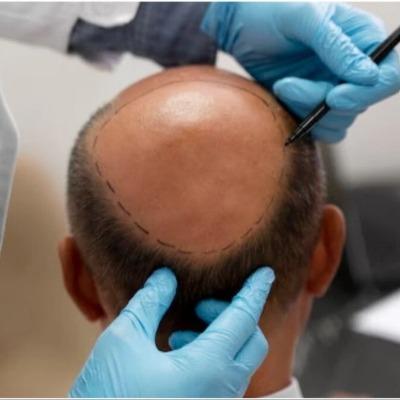
Hair thinning can gradually change the appearance of the scalp, making the hair look less dense and hairstyles more difficult to manage. For people experiencing noticeable hair loss, Follicular Unit Extraction (FUE) offers a modern hair restoration option that focuses on redistributing healthy hair follicles into areas affected by thinning or baldness. Choosing hair transplant in islamabad begins with understanding the cause of hair loss, the condition of the donor area, and the results that may realistically be achieved.
At enfield royal clinic in islamabad, individuals exploring hair restoration can learn about the procedure, its suitability, and the importance of personalized treatment planning. Consulting an experienced professional such as dr adnan bashir can help patients understand the factors that influence hair density and the overall appearance of transplanted hair.
What Makes FUE Different From Traditional Hair Transplant Methods?
FUE involves extracting individual follicular units from a donor area, usually the back or sides of the scalp, and placing them into selected areas experiencing hair loss. Unlike older strip-based techniques, FUE does not require removing a long strip of scalp tissue. It generally leaves tiny extraction marks that may become less noticeable as they heal, although scarring can still occur.
People considering hair transplant in islamabad often choose to explore FUE because it allows the surgeon to distribute grafts carefully according to the patient's hairline, existing density, and restoration goals.
At enfield royal clinic in islamabad, a consultation should help establish whether FUE is appropriate for the individual's pattern of hair loss. The suitability of the technique depends on donor hair availability, scalp condition, medical history, and expectations. dr adnan bashir can be discussed during the consultation process when reviewing treatment planning and the approach to hair restoration.
How Does FUE Help Improve Hair Density?
Hair density is influenced by several factors, including the number of hair follicles, hair thickness, hair color, and the contrast between the scalp and hair. A transplant does not necessarily recreate the density of naturally growing hair in every area. Instead, it aims to create a fuller appearance by strategically placing available grafts.
For example, someone with thinning around the front of the scalp may benefit from carefully planned placement that frames the face and blends with existing hair. Another person with visible thinning at the crown may require a different distribution of grafts.
When considering hair transplant in islamabad, patients should understand that the goal is to achieve balanced, natural-looking coverage rather than simply transplanting as many grafts as possible. At enfield royal clinic in islamabad, individualized planning is important when discussing how donor hair may be used. dr adnan bashir can help patients explore questions about treatment suitability, hairline design, and realistic density goals.
Why Is Donor Hair Quality Important?
The donor area plays a major role in determining the potential outcome of an FUE procedure. Hair follicles taken from this region need to be assessed for density, thickness, distribution, and their likely long-term stability.
Patients with strong donor hair may have more options for covering selected areas, while limited donor supply can require a more conservative plan. Overharvesting the donor area can cause visible thinning, so extraction must be carefully managed.
Before choosing hair transplant in islamabad, patients should ask how their donor area will be evaluated and how many grafts may be appropriate for their individual circumstances. At enfield royal clinic in islamabad, this assessment is an important part of discussing a personalized treatment strategy. A consultation with dr adnan bashir can also provide an opportunity to discuss how current hair loss and possible future thinning may influence the plan.
What Happens During Recovery?
Recovery after FUE varies from person to person. Mild redness, swelling, tenderness, and small crusts around the treated areas may occur during the initial healing period. Patients are usually given instructions on washing the scalp, protecting the grafts, avoiding strenuous activity for the recommended period, and recognizing signs that require medical attention.
It is important not to judge the final result immediately after the procedure. Transplanted hairs commonly shed during the early weeks, which can be a normal part of the hair growth cycle. New growth develops gradually over the following months, and visible improvement often continues for around 12 months or longer, depending on the individual and the treated area.
People researching hair transplant in islamabad should ask for clear aftercare guidance and a follow-up schedule. At enfield royal clinic in islamabad, patients should understand the recovery process before making a decision. Discussing these details with dr adnan bashir can help clarify what to expect during healing and when progress should be reviewed.
Can FUE Prevent Future Hair Loss?
FUE relocates existing follicles; it does not stop the underlying process responsible for ongoing hair loss. Natural hair surrounding the transplanted area may continue to thin, particularly in people affected by androgenetic alopecia. This can eventually change the appearance of the original hairline or create thinning behind the transplanted region.
Depending on the diagnosis, a clinician may discuss medical treatments that can help manage ongoing hair loss. These treatments have different benefits, limitations, and potential side effects, so they should be considered with appropriate medical advice.
When planning hair transplant in islamabad, patients should consider not only their current appearance but also how their hair may change over time. At enfield royal clinic in islamabad, a long-term approach should take existing hair, donor limitations, and future restoration needs into account. dr adnan bashir can be consulted about the questions patients should raise when evaluating a long-term hair restoration plan.
How Can You Choose the Right Treatment Plan?
The best hair restoration plan is one that suits the patient's needs rather than following a standard graft number or hairline design. A proper consultation should include a scalp examination, discussion of medical history, assessment of donor hair, and an explanation of possible benefits and limitations.
Patients should also ask about the clinician performing the extraction and implantation, expected recovery, potential complications, and how results will be monitored. Reviewing realistic outcomes is more helpful than relying on promises of guaranteed density.
For anyone considering hair transplant in islamabad, taking time to understand these details can support a more informed decision. enfield royal clinic in islamabad may be considered as part of the research process, while a consultation involving dr adnan bashir can provide an opportunity to discuss individual concerns and treatment options.
Is FUE the Right Choice for Fuller Hair?
FUE can be a suitable option for some people seeking to improve the appearance of thinning areas, but its success depends on careful selection, appropriate technique, donor hair quality, and realistic expectations. It cannot guarantee complete coverage or stop future hair loss, and some patients may need additional management as their hair changes.

 English
 Arabic
 French
 Spanish
 Portuguese
 Deutsch
 Turkish
 Italiano
 Russian
 Romaian
 Portuguese (Brazil)
 Greek
