

Why Is Wearing a Compression Garment Important After Liposuction?
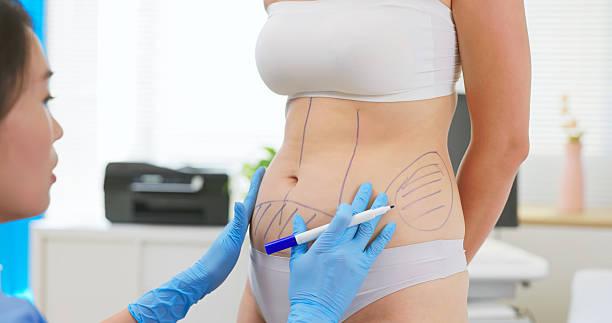
Recovery is an important part of achieving the best possible outcome after liposuction. Although the procedure removes stubborn fat deposits and improves body contours, the treated areas need time to heal as swelling gradually decreases. One of the common recommendations after surgery is wearing a compression garment, which provides gentle, consistent pressure around the treated areas. For individuals researching Best Liposuction in Riyadh, understanding the role of compression garments can help them prepare for recovery and follow their surgeon's aftercare instructions more confidently.
What Is a Compression Garment After Liposuction?
A compression garment is a specially designed piece of clothing that applies controlled pressure to areas treated during liposuction. Depending on the procedure, it may resemble a fitted bodysuit, abdominal binder, vest, or compression shorts. The garment is selected according to the treatment area, body shape, and surgeon's recommendations.
After fat removal, the surrounding tissues experience swelling and need time to settle into their new contours. A properly fitted garment supports the treated area during this process. However, the garment does not remove additional fat or guarantee a particular cosmetic result. Its purpose is to support postoperative recovery when recommended by the surgical team.
How Does a Compression Garment Help After Liposuction?
Compression garments may provide several benefits during recovery. Their effectiveness depends on the patient's procedure, the fit of the garment, and adherence to medical instructions.
Helps Manage Swelling
Swelling is a common response to liposuction because surgery affects the surrounding tissues and small blood vessels. A compression garment applies gentle pressure that may help control swelling and provide support as the tissues heal. Some swelling can still persist for weeks or longer, even when the garment is worn correctly.
Supports the Treated Areas
After fat removal, the skin and underlying tissues need time to adjust to the body's new contours. A compression garment provides external support during this period and may help patients feel more comfortable when moving around. It should fit properly without creating excessive pressure or restricting circulation.
May Help Improve Comfort
Some patients find that compression reduces the sensation of movement or tenderness in the treated areas. The level of comfort varies, and the garment should not cause significant pain, numbness, breathing difficulty, or skin discoloration. Any such symptoms should be reported to the surgical team.
Supports the Healing Process
A compression garment can help support tissues during the early recovery period. However, it does not replace wound care, prescribed medication, appropriate activity, or follow-up appointments. Patients should follow the instructions provided by their surgeon rather than relying on compression alone.
How Long Should You Wear a Compression Garment?
The recommended duration varies according to the amount of fat removed, the treated areas, the surgical technique, and individual healing. Some patients may be instructed to wear a garment for much of the day during the early recovery period, while others may receive a different schedule.
Your surgeon will explain when to wear the garment, whether it can be removed for showering, and when it may be appropriate to reduce or stop using it. Do not assume that wearing it for longer will necessarily improve results. Excessive or inappropriate compression can cause discomfort and other problems.
People exploring Best Liposuction in Riyadh should ask their surgeon for clear instructions about garment type, fit, daily wear, washing, and the expected duration of use.
What Happens If You Do Not Wear a Compression Garment?
If a surgeon recommends a compression garment and a patient does not wear it as instructed, swelling or discomfort may be harder to manage. The garment may also provide useful support while the treated tissues heal. However, the effect of not wearing one varies according to the procedure and individual circumstances.
Compression garments are not identical for every patient, and evidence about their benefits for specific outcomes can vary. Not wearing a garment does not automatically mean that the procedure will fail, but patients should discuss concerns about comfort or fit with their surgeon rather than changing the prescribed plan independently.
How Should a Compression Garment Fit?
A compression garment should feel snug and provide even pressure without causing significant discomfort. The correct size is important because a garment that is too loose may not provide the intended support, while one that is too tight may cause pain, skin irritation, numbness, or circulation problems.
Patients should check the garment regularly for folds, rolled edges, or areas that press excessively against the skin. It should also be kept clean according to the manufacturer's instructions and the surgeon's guidance. If the garment becomes difficult to tolerate or leaves concerning marks, contact the surgical team for advice.
What Other Aftercare Steps Are Important After Liposuction?
Wearing a compression garment is only one part of postoperative care. Patients should follow all instructions provided by their surgeon to support recovery and reduce the risk of complications.
Follow Wound-Care Instructions
Keep incision sites clean and care for them as directed by the medical team. Do not apply creams, oils, or other products to healing incisions unless they have been approved by your surgeon.
Maintain Balanced Nutrition and Hydration
Eating balanced meals that include protein, fruits, vegetables, and other nutrient-rich foods supports general health and normal tissue repair. Drink fluids according to your medical team's advice, particularly if you have a condition that requires fluid restrictions.
Resume Activity Gradually
Gentle walking is often encouraged when appropriate, but strenuous exercise and heavy lifting should be avoided until the surgeon confirms they are safe. Follow-up visits help the medical team assess healing and advise when to resume normal activities.
Can a Compression Garment Improve Final Liposuction Results?
A compression garment may support recovery by helping manage swelling and providing support to the treated areas. However, it cannot guarantee smooth skin, prevent every contour irregularity, or replace good surgical technique. Final results depend on factors such as skin elasticity, fat distribution, the procedure performed, and individual healing.
Swelling may take several weeks or longer to settle, and final body contours can take several months to become clear. Patients should be patient with the healing process and avoid judging their final outcome too early.
Book a Consultation at Royal Clinic Saudia
If you are considering liposuction, Royal Clinic Saudia can be a starting point for discussing body-contouring procedures and postoperative care. A consultation with a qualified plastic surgeon can help you understand the role of compression garments, the expected recovery process, and the aftercare steps appropriate for your procedure. Following personalized medical advice is essential for a safer recovery and realistic expectations.
FAQs:
Is wearing a compression garment necessary after liposuction?
Surgeons commonly recommend compression garments after liposuction, but the need and schedule depend on the procedure and the patient's circumstances. Follow your surgeon's specific instructions.
Can I sleep without my compression garment?
Whether you can remove the garment while sleeping depends on your surgeon's recovery plan. Ask your surgical team before changing the recommended wearing schedule.
Can a compression garment prevent swelling completely?
No. A garment may help manage swelling, but some swelling is expected after surgery and can persist for several weeks or longer.
What should I do if my compression garment feels too tight?
Contact your surgical team for guidance. If it causes severe pain, numbness, breathing difficulty, unusual skin discoloration, or coldness in the affected area, seek prompt medical advice.
Will wearing a compression garment make my skin tighter?
A garment provides external support during healing, but it cannot guarantee skin tightening. The skin's response depends on elasticity, the amount of fat removed, and individual healing.

 English
 Arabic
 French
 Spanish
 Portuguese
 Turkish
 Dutch
 Italiano
 Russian
 Romaian
 Portuguese (Brazil)
 Greek
