

What plumbing and water supply requirements should be considered in Laminar Airflow System Engineering Company?
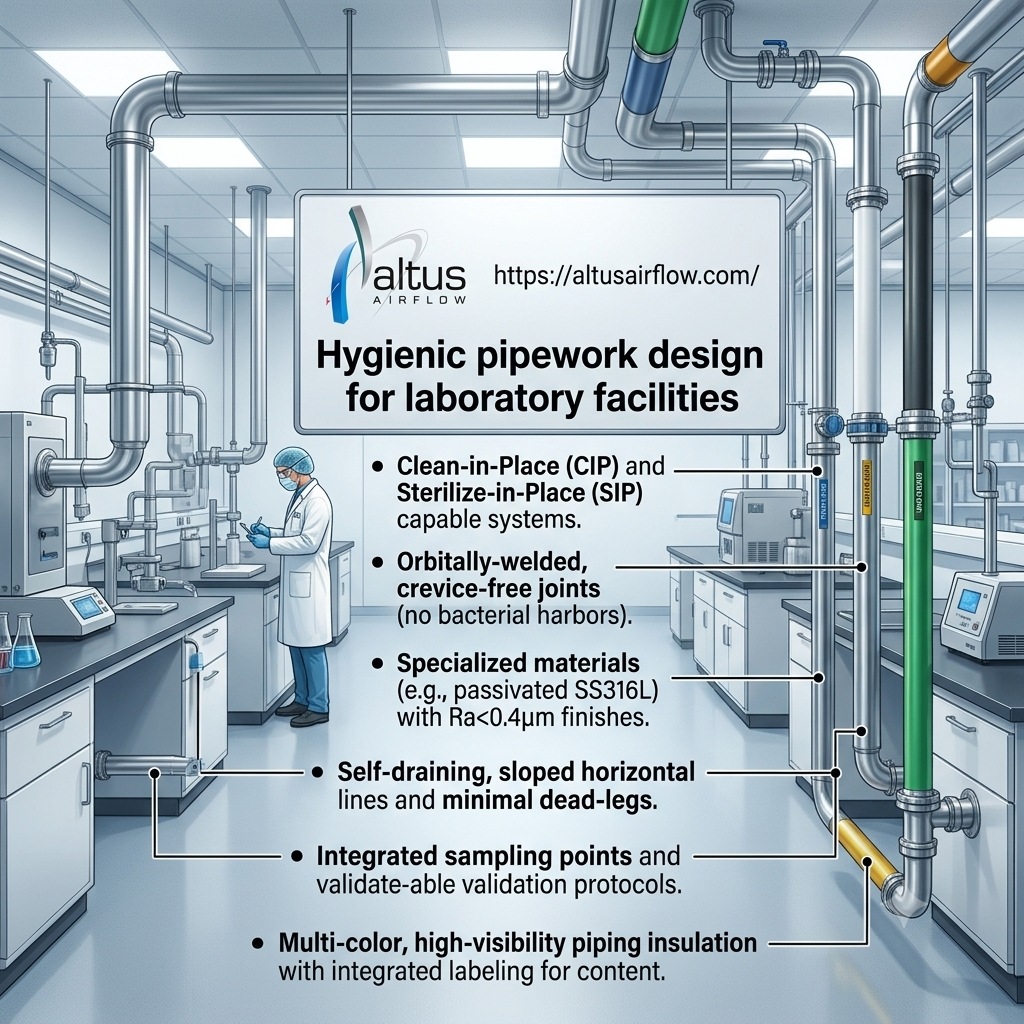
INTRODUCTION
Proper plumbing and water supply planning is an essential part of designing reliable controlled environments for hospitals, laboratories, pharmaceutical facilities, and cleanrooms. A professional Laminar Airflow System Engineering Company must coordinate water supply, drainage, pipe routing, leak prevention, water quality, and maintenance access with the facility’s airflow and contamination-control requirements. Although laminar airflow systems primarily manage filtered air movement, plumbing infrastructure can significantly influence hygiene, operational reliability, and environmental control. Integrating plumbing and water supply requirements during the engineering stage helps prevent leaks, reduce contamination risks, protect sensitive equipment, and support the long-term performance of the facility.
Understanding Plumbing Requirements in Laminar Airflow Facilities
Laminar airflow facilities may be used in healthcare environments, pharmaceutical manufacturing, biotechnology laboratories, electronics production, and other applications that require controlled conditions. Each facility has different water consumption patterns, hygiene requirements, and drainage needs.
Plumbing systems must therefore be designed according to the facility’s intended use, equipment specifications, applicable building codes, and operational procedures.
Key considerations include:
- Reliable water supply and distribution
- Appropriate water quality for each application
- Hygienic pipe materials and connections
- Leak prevention and detection
- Proper drainage and wastewater management
- Backflow prevention
- Condensation control
- Maintenance accessibility
- Coordination with HVAC and electrical systems
- Compliance with applicable plumbing and safety standards
A well-coordinated design helps prevent plumbing-related problems from disrupting controlled operations.
1. Assess Water Demand Before Designing the System
The first step is to determine how much water the facility requires and where it will be used.
Water demand varies according to the type of operation. A pharmaceutical laboratory may require purified water for specific processes, while a healthcare facility may need water for handwashing, cleaning, equipment servicing, and sanitation.
An engineering assessment should identify:
- Daily water consumption
- Peak demand periods
- Number and location of water outlets
- Equipment-specific water requirements
- Cleaning and sanitation needs
- Emergency water requirements
- Future expansion provisions
Accurate demand calculations help determine pipe sizes, storage capacity, pump requirements, and distribution arrangements.
A Laminar Airflow System Engineering Company should coordinate plumbing plans with facility managers and equipment suppliers before finalizing the design.
2. Select Appropriate Water Supply Sources
The water source should be reliable and suitable for the facility’s intended applications.
Depending on the project, water may be supplied through a municipal connection, an approved borewell, a treated-water network, or a combination of sources permitted by local regulations.
Before selecting a source, engineers should evaluate:
- Availability and continuity of supply
- Incoming water quality
- Seasonal variations
- Pressure at the connection point
- Treatment requirements
- Local regulatory restrictions
- Backup supply arrangements
Where source water quality varies, appropriate treatment may be necessary before the water enters the distribution network.
The selected arrangement should also prevent untreated or unsuitable water from entering systems intended for specialized applications.
3. Establish Water Quality Requirements
Not every application requires the same water quality. Drinking water, general cleaning water, laboratory water, and process water may have different specifications.
Engineers should define water quality based on the intended use rather than assuming that one treatment system will satisfy every requirement.
Depending on the application, treatment may include:
- Sediment filtration
- Activated carbon treatment
- Water softening
- Reverse osmosis
- Ultraviolet treatment
- Deionization
- Additional purification stages
The choice of treatment depends on source water characteristics, process specifications, and applicable standards.
For pharmaceutical and laboratory applications, water quality may need to be monitored for conductivity, microbial contamination, total organic carbon, or other relevant parameters.
Water treatment systems should be validated where required and maintained according to manufacturer instructions and applicable quality procedures.
4. Choose Hygienic and Compatible Pipe Materials
Pipe materials must be compatible with the water quality, operating temperature, pressure, cleaning chemicals, and intended application.
Common materials may include stainless steel, copper, and approved polymer piping systems. The appropriate choice depends on project requirements and local plumbing regulations.
Engineers should consider:
- Corrosion resistance
- Chemical compatibility
- Temperature and pressure ratings
- Internal surface characteristics
- Joint integrity
- Ease of cleaning
- Expected service life
- Availability of replacement components
For high-purity water systems, material selection and surface finish can be particularly important because unsuitable materials or poorly designed connections may affect water quality.
All materials should be approved for their intended use. Product compatibility and certification should be verified before installation.
5. Prevent Leaks in Controlled Environments
Water leaks can damage equipment, ceiling panels, electrical infrastructure, and flooring. They may also create conditions that encourage microbial growth.
In controlled environments, the location and accessibility of water lines deserve special attention.
Effective leak-prevention measures include:
- Properly supported piping
- Suitable pipe joints and fittings
- Pressure testing before commissioning
- Accessible isolation valves
- Leak detection sensors where justified
- Clear identification of water lines
- Protection of vulnerable connections
- Periodic inspection and maintenance
Where practical, avoid locating unnecessary water lines above sensitive equipment or critical cleanroom areas.
If overhead services cannot be avoided, the design should include appropriate containment, access, and leak-management provisions based on the facility’s risk assessment.
A coordinated plumbing layout can reduce the likelihood of costly operational interruptions.
6. Coordinate Plumbing With HVAC and Laminar Airflow
Plumbing and airflow systems must be coordinated during design and installation.
Although plumbing does not directly generate the intended laminar airflow pattern, poorly routed pipes, leaking connections, and condensation can create environmental problems. Pipework can also interfere with access to filters, air-handling equipment, and ceiling service panels if it is positioned without coordination.
Important coordination requirements include:
- Avoiding obstruction of supply-air outlets
- Maintaining access to HEPA filter housings
- Preventing water lines from interfering with airflow equipment
- Allowing adequate space for maintenance
- Separating services where required by safety codes
- Controlling condensation on cold-water lines
- Preventing leaks from affecting electrical systems
Plumbing drawings should be reviewed alongside HVAC layouts, equipment plans, and ceiling service drawings before installation begins.
7. Design Proper Drainage and Wastewater Systems
Drainage is as important as water supply. Poorly designed drainage can cause blockages, odours, backflow, and hygiene concerns.
The drainage design should identify all water-producing equipment and activities, including sinks, cleaning stations, equipment drains, and utility areas.
Key considerations include:
- Correct pipe sizing
- Suitable pipe gradients
- Accessible cleanouts
- Effective trap arrangements
- Prevention of wastewater backflow
- Appropriate floor drainage
- Safe discharge routes
- Compatibility with the wastewater treatment system
Floor drains should be installed only where operationally necessary and permitted by the facility’s design requirements. In some controlled environments, unnecessary drains can introduce additional hygiene and maintenance challenges.
Wastewater containing chemicals, biological materials, or pharmaceutical residues may require segregation or pretreatment before discharge, depending on its composition and applicable regulations.
8. Incorporate Backflow Prevention
Backflow occurs when water flows in the opposite direction from its intended path. It can introduce contaminants into the potable water supply and create significant public-health risks.
Backflow prevention should be based on the hazards associated with each connection.
Potential risk points include:
- Equipment connected to process water
- Chemical dosing systems
- Water treatment equipment
- Laboratory sinks
- Irrigation or utility connections
- Systems involving non-potable water
Suitable backflow prevention devices should be selected and installed according to local codes and the assessed level of risk.
Devices must remain accessible for inspection and testing. Regular maintenance helps ensure they continue to function as intended.
Where potable and non-potable networks are both present, they should be clearly identified and separated in accordance with applicable requirements.
9. Control Condensation on Water Pipes
Condensation can occur when the surface temperature of a pipe falls below the surrounding air’s dew point. Water droplets may then form on the pipe or its fittings.
In controlled environments, condensation can damage finishes, affect equipment, and create moisture-related hygiene concerns.
Preventive measures include:
- Appropriate insulation on cold-water pipes
- Continuous vapour barriers where required
- Proper sealing around joints
- Suitable pipe supports
- Control of ambient temperature and humidity
- Inspection of insulation for damage
Insulation should be selected according to operating conditions and installed without gaps that could allow moisture to accumulate.
The design should also consider the interaction between pipe temperatures and room environmental conditions.
10. Plan Water Storage and Pumping Systems
Facilities with inconsistent supply pressure or high peak demand may require storage tanks, booster pumps, or dedicated pressure-control arrangements.
Storage systems should be designed to maintain water quality and provide sufficient capacity without creating unnecessary stagnation.
Engineering considerations include:
- Required storage volume
- Tank material and construction
- Protection against external contamination
- Cleaning and inspection access
- Overflow and drain arrangements
- Pump duty and standby requirements
- Pressure regulation
- Alarm and monitoring provisions
For critical operations, backup pumping or storage may be appropriate following a reliability assessment.
Storage tanks and distribution systems should be maintained to prevent sediment accumulation, microbial growth, and deterioration of water quality.
11. Integrate Plumbing With Specialized Equipment
Some laboratory and healthcare equipment requires dedicated water connections, drainage, or specific water quality.
Examples may include autoclaves, glassware washers, laboratory cleaning equipment, humidification systems, and process equipment.
Before installation, engineers should confirm each equipment supplier’s requirements for:
- Water pressure
- Flow rate
- Temperature
- Water purity
- Connection size
- Drainage capacity
- Backflow protection
- Emergency isolation
Equipment that requires purified water should not be connected directly to a general-purpose supply unless the system meets its documented specifications.
Coordination with suppliers helps avoid incompatible connections, insufficient pressure, and expensive modifications after installation.
12. Ensure Plumbing Maintenance Accessibility
A plumbing system should be easy to inspect, isolate, repair, and maintain without unnecessarily disrupting critical operations.
Valves, filters, water treatment equipment, pumps, and monitoring instruments should be located where authorized maintenance personnel can reach them safely.
Good maintenance planning includes:
- Clearly labelled pipes and valves
- Accessible isolation points
- Service clearance around equipment
- Documented inspection schedules
- Replacement procedures for consumables
- Spare-parts planning
- Water-quality testing schedules
- Updated plumbing drawings
Where services pass through controlled areas, maintenance procedures should include appropriate cleaning, protection, and restoration of environmental conditions after work is completed.
13. Monitor Water Quality and System Performance
Monitoring helps identify changes in water quality and plumbing performance before they cause major disruptions.
Depending on the application, monitoring may include:
- Supply pressure
- Flow rate
- Tank levels
- Conductivity
- Water temperature
- Microbiological quality
- Total organic carbon
- Filter condition
- Leakage alarms
Not every facility needs every measurement. The monitoring plan should reflect the water specification, process risk, and operational requirements.
Automated alarms can alert facility teams to abnormal pressure, low tank levels, or detected leaks. Laboratory testing and documented inspections may be needed to confirm that water continues to meet its intended specifications.
14. Follow Applicable Standards and Safety Requirements
Plumbing and water supply systems must comply with the regulations applicable to the project’s location and intended use.
In India, design teams should review applicable local building regulations, municipal water and sewerage requirements, the National Building Code of India where applicable, and relevant drinking-water and wastewater requirements.
Additional requirements may apply to healthcare facilities, pharmaceutical manufacturing, laboratories, and facilities handling hazardous effluents.
The project team should verify:
- Approved pipe and fitting specifications
- Potable-water safety requirements
- Backflow prevention provisions
- Drainage and sewer connections
- Fire and electrical safety interfaces
- Water treatment requirements
- Wastewater discharge permissions
- Inspection and testing obligations
International standards may provide useful technical guidance, but their applicability should be confirmed rather than assumed. Compliance documentation should be maintained throughout design, installation, testing, and handover.
15. Test and Commission the Plumbing System
Commissioning confirms that the installed system operates according to the approved design.
Testing requirements depend on the piping material, water application, local codes, and project specifications.
Typical activities may include:
- Inspection of pipe routing and supports
- Pressure and leakage testing
- Flushing of distribution lines
- Cleaning and disinfection where required
- Verification of water flow and pressure
- Testing of backflow prevention devices
- Drainage and trap checks
- Water-quality sampling
- Testing of pumps and alarms
- Review of installation documentation
High-purity water systems may require additional qualification and water-quality verification before being released for use.
Any defects should be corrected and retested before the system is handed over to the facility operator.
Conclusion
Plumbing and water supply planning is a critical part of developing a dependable controlled environment. A qualified Laminar Airflow System Engineering Company should coordinate water demand, source quality, pipe materials, leak prevention, drainage, backflow protection, condensation control, equipment connections, maintenance access, and commissioning with the facility’s overall engineering design. These measures help protect equipment, maintain hygiene, and reduce the risk of plumbing-related disruptions. The final design must be tailored to the facility’s application and comply with applicable regulations and technical specifications. For integrated cleanroom, laminar airflow, and controlled-environment engineering solutions, Altus Airflow supports projects with a focus on coordinated planning, system integration, and operational reliability.
Frequently Asked Questions
1. Why are plumbing requirements important in a Laminar Airflow System Engineering Company project?
Plumbing requirements are important because a Laminar Airflow System Engineering Company must coordinate water supply, drainage, leak prevention, and water quality with the facility’s hygiene, equipment, and environmental-control needs.
2. Which pipe materials are suitable for laminar airflow facilities?
A Laminar Airflow System Engineering Company may specify stainless steel, copper, or approved polymer piping depending on water quality, pressure, temperature, chemical compatibility, and the intended application.
3. Is purified water necessary for every laminar airflow facility?
No. A Laminar Airflow System Engineering Company should determine water quality according to the intended use. General cleaning may require a different specification from pharmaceutical processes or specialized laboratory equipment.
4. How can plumbing leaks be prevented in a controlled environment?
A Laminar Airflow System Engineering Company can reduce leak risks through appropriate pipe materials, secure joints, pressure testing, accessible isolation valves, regular inspections, and leak detection where justified.
5. Why is drainage design important in cleanrooms?
A Laminar Airflow System Engineering Company must consider drainage to prevent blockages, odours, wastewater backflow, and hygiene problems. Drain locations and designs should suit the facility’s risk assessment and operational requirements.
Read Our Previous Blog------>How can IVF Lab Design Services help prevent chemical contamination?

 English
 Arabic
 French
 Spanish
 Portuguese
 Deutsch
 Turkish
 Dutch
 Italiano
 Romaian
 Portuguese (Brazil)
 Greek
