

GFC Treatment For Hair In Islamabad: Understanding the Hair Growth Process
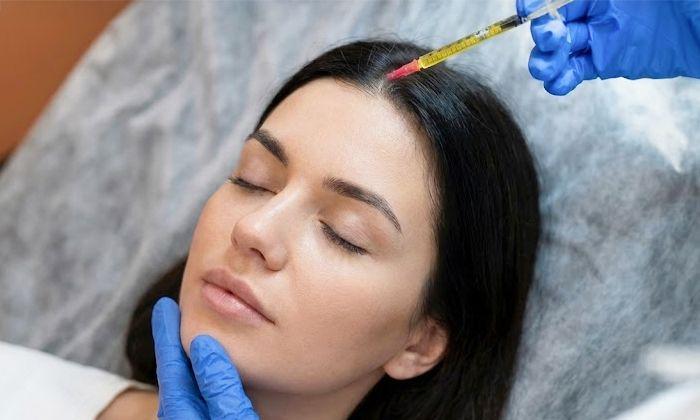
Hair loss can develop gradually, making the scalp look thinner and reducing overall hair density. Many people in Pakistan now explore regenerative treatments designed to support natural hair growth rather than relying only on conventional options. GFC Treatment For Hair In Islamabad is one such approach, using concentrated growth factors derived from the patient’s own blood to support the scalp and hair follicles. Understanding how hair normally grows and how GFC may influence this process can help patients develop realistic expectations.
Understanding the Hair Growth Cycle
Hair growth is a continuous biological process controlled by individual follicles. Each follicle passes through different phases, and the length of these phases affects hair density and shedding.
The main stages include:
- Anagen: This is the active growth phase. Hair follicles produce new hair, and this stage can last for several years.
- Catagen: This is a short transitional phase when the follicle reduces its growth activity.
- Telogen: During this resting phase, the follicle becomes inactive and eventually releases the existing hair.
- Exogen: This is the shedding stage, when old hairs fall out and make room for new growth.
Hair loss can occur when follicles spend less time in the growth phase or gradually produce thinner and weaker hairs. In androgenetic alopecia, for example, follicles may become progressively miniaturized, resulting in reduced hair density.
What Is GFC Treatment for Hair?
Growth Factor Concentrate, commonly called GFC, is a regenerative hair treatment prepared from the patient’s own blood. The process concentrates growth-factor-rich components that may help create a more supportive environment around hair follicles.
The treatment is generally administered through small injections into areas affected by thinning. Because the material is autologous, meaning it comes from the patient's own blood, it is different from treatments involving synthetic substances.
Research into concentrated growth-factor therapies suggests potential improvements in hair density and thickness, although treatment protocols and preparation methods vary between studies.
How GFC May Support Hair Growth
The goal of GFC is not to instantly create new hair. Instead, growth factors may influence biological processes involved in follicle activity, tissue repair and the scalp environment.
Researchers have suggested several possible mechanisms, including supporting cellular activity around follicles, influencing blood-vessel formation, reducing inflammatory activity and promoting a healthier follicular environment.
When follicles are still viable but producing increasingly fine hairs, improving their surrounding environment may help support stronger and thicker growth. This is particularly relevant to early or moderate forms of non-scarring hair loss.
What Happens After GFC Treatment?
Hair growth does not occur immediately after treatment because follicles need time to move through their natural biological cycle. Some patients may notice reduced shedding or subtle changes before visible density becomes apparent.
Clinical research has reported improvements at different follow-up periods. A 2024 study involving concentrated growth-factor injections reported improvements in hair density and growth measures by three months, with benefits observed during six months of follow-up.
More recent research has also found promising results. A 2026 systematic review and meta-analysis reported progressive improvements in hair density and thickness following growth-factor injections, while emphasizing that existing studies have limitations, including inconsistent protocols and risk of bias.
Therefore, patients should understand that results vary and that GFC should not be considered a guaranteed cure for every type of hair loss.
Who May Benefit From GFC?
GFC may be considered for individuals experiencing certain types of non-scarring hair thinning, particularly androgenetic alopecia. However, suitability depends on the cause, severity and duration of hair loss.
A proper assessment can help determine whether the follicles are still capable of producing hair and whether GFC is appropriate. Hair loss caused by nutritional deficiencies, hormonal problems, autoimmune conditions or scarring disorders may require a different treatment approach.
GFC Treatment and Long-Term Hair Management
GFC can be considered part of a broader hair-management plan rather than a standalone solution. Depending on the diagnosis, a healthcare professional may recommend combining regenerative treatment with medically appropriate therapies or lifestyle measures.
Maintaining a balanced diet, managing stress, treating underlying conditions and following professional aftercare advice can also support overall scalp and hair health.
Frequently Asked Questions
How long does GFC take to show results?
Visible changes generally take several weeks to months because hair follicles follow a natural growth cycle. Clinical studies have reported measurable improvements around three months and beyond.
Is GFC treatment suitable for everyone with hair loss?
No. The treatment may be more appropriate for certain forms of non-scarring hair loss. A professional evaluation is important to identify the underlying cause before treatment.
How many GFC sessions are required?
The number of sessions varies according to the patient's hair-loss pattern, treatment protocol and response. Research studies have used different schedules, so there is no single standard number for everyone.
Is GFC the same as PRP?
No. Both are autologous blood-derived regenerative approaches, but their preparation methods and concentrations of biological components can differ. Current research suggests both may support hair growth, while evidence for GFC is still developing.
Can GFC permanently stop hair loss?
GFC should not be described as a permanent cure. Hair loss can have multiple causes, and ongoing management may be necessary to maintain results.
Final Thoughts
Understanding the natural hair growth cycle is essential when considering regenerative hair treatments. GFC works by using concentrated growth factors to support the scalp environment and potentially improve hair density and thickness over time. Current research is encouraging, but larger and more standardized clinical studies are still needed.
For anyone considering GFC Treatment For Hair In Islamabad, the most important first step is determining the cause of hair loss and discussing realistic treatment expectations with a qualified professional. A personalized approach can help identify whether GFC is an appropriate option for supporting healthier-looking hair.

 English
 Arabic
 French
 Spanish
 Portuguese
 Deutsch
 Turkish
 Dutch
Dutch
 Italiano
 Romaian
 Portuguese (Brazil)
 Greek
Greek
