

How Dermapen Helps Improve the Appearance of Textured Skin
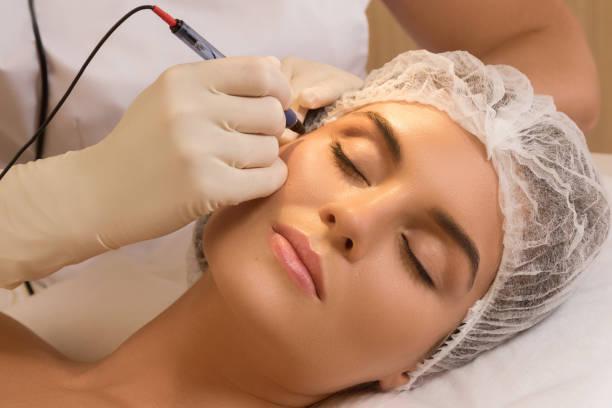
Uneven skin texture can make the complexion appear rough, dull, or less smooth than desired. Concerns such as shallow acne scars, enlarged pores, fine lines, and irregular skin surfaces may develop because of aging, previous breakouts, sun exposure, or changes in collagen production. While a consistent skincare routine supports overall skin health, some textural concerns may benefit from professional treatment. Dermapen microneedling is a minimally invasive procedure that encourages the skin’s natural repair response and may improve the appearance of selected irregularities over time. Dermapen in Riyadh (ديرمابن في الرياض) is an option for individuals exploring professional skin rejuvenation and seeking a more refined, natural-looking complexion.
Understanding Textured Skin
Textured skin refers to a surface that looks or feels uneven rather than consistently smooth. It can include rough patches, visible pores, shallow depressions caused by acne scars, fine lines, and areas where the skin’s appearance varies.
Several factors can contribute to these changes. Acne-related inflammation may leave scars, while sun exposure can contribute to premature aging and uneven skin quality. Natural aging also affects collagen and elastin, which help maintain the skin’s structure and flexibility. Dehydration and irritation may temporarily make roughness more noticeable.
Understanding the cause of textured skin is important when choosing a treatment. Surface dryness may improve with suitable moisturizers, while depressed scars can require a professional procedure. Dermapen microneedling may be appropriate for selected textural concerns, but it does not address every skin condition or guarantee completely smooth skin.
What Is Dermapen Microneedling?
Dermapen microneedling uses a pen-shaped device fitted with fine, sterile needles to create controlled micro-injuries in the skin. These tiny punctures activate the body’s natural wound-healing response, which can stimulate collagen production and remodeling during recovery.
Collagen is a structural protein that supports the skin, while elastin helps it remain flexible. As the skin heals, gradual remodeling may improve the appearance of certain shallow scars, fine lines, and uneven textural areas. The technique and needle depth are selected according to the treatment area, skin condition, and individual goals.
Because microneedling temporarily disrupts the skin barrier, the procedure should be performed by a qualified professional using appropriate sterile equipment. A skin assessment beforehand helps determine whether the treatment is suitable and what results may realistically be expected.
How Dermapen Helps Improve Textured Skin
Dermapen microneedling focuses on stimulating the skin’s natural repair process. Its potential benefits depend on the type of irregularity, the severity of the concern, and the individual’s healing response.
Encouraging Collagen Remodeling
Collagen provides structural support to the skin. After microneedling, the healing process may stimulate collagen production and remodeling, helping improve the appearance of selected textural irregularities. These changes develop gradually over several weeks rather than appearing immediately.
Improving the Appearance of Shallow Acne Scars
Some shallow, depressed acne scars can make the skin appear uneven. Microneedling may help soften the appearance of certain scars by encouraging collagen remodeling. Deeper or tethered scars may respond less effectively and could require alternative or combined treatments. Active acne should be assessed before treatment.
Refining the Appearance of Enlarged Pores
Pore visibility is influenced by genetics, oil production, and skin structure. Microneedling may improve the surrounding skin texture, which can make pores appear less noticeable in some individuals. However, it does not permanently close or eliminate pores.
Softening the Appearance of Fine Lines
Fine lines can become more visible as the skin changes with age and environmental exposure. Collagen remodeling may help improve the appearance of some fine lines and support a smoother-looking complexion. Deeper wrinkles and significant skin laxity may require different treatment options.
Supporting a More Even-Looking Complexion
Uneven texture can affect how light reflects from the skin, sometimes making the face appear dull. When selected textural concerns improve, the complexion may look fresher and more refined. Microneedling is not a universal treatment for dark spots or pigmentation, and some people may experience worsening pigmentation after treatment.
Who May Benefit From Dermapen Treatment?
Dermapen microneedling may be considered by adults who want to improve selected concerns, including shallow acne scars, uneven skin texture, mild fine lines, or rough-looking skin. The suitability of treatment depends on skin condition, medical history, and the desired outcome.
People with active acne breakouts, skin infections, open wounds, or certain inflammatory skin conditions may need to delay treatment. Those who are prone to abnormal scarring or pigmentation changes, or who have conditions that affect wound healing, should discuss these factors with a qualified practitioner before proceeding.
For individuals considering Dermapen in Riyadh, a consultation can help clarify whether microneedling is appropriate or whether another procedure would better address the concern. The practitioner can also explain expected results, possible side effects, recovery time, and the recommended number of sessions.
What to Expect During and After Treatment
A typical session begins with a skin assessment and cleansing of the treatment area. A topical numbing product may be applied when appropriate to improve comfort. The practitioner then uses the Dermapen device across the selected areas, adjusting the technique to the treatment plan.
After the procedure, the skin may appear red and feel warm, tight, or sensitive. Mild swelling and dryness may also occur. These effects often improve over several days, although recovery varies according to treatment intensity and individual skin response.
During recovery, follow the practitioner’s aftercare instructions. Gentle cleansing, suitable moisturization, and sun protection are generally important. Avoid scrubbing the skin or using strong exfoliants and potentially irritating products until your practitioner advises that it is safe to resume them. Makeup should also be postponed for the recommended period.
Some people notice changes after an initial session, but improvements in texture generally develop gradually as the skin heals. Multiple sessions may be recommended for certain concerns, with adequate time between treatments. More aggressive treatment does not necessarily produce better results and may increase the risk of irritation, infection, or pigmentation changes.
Maintaining Smoother-Looking Skin
Professional treatment should be supported by a consistent skincare routine. Gentle cleansing and regular moisturization help maintain the skin barrier, while daily broad-spectrum sunscreen helps protect against ultraviolet exposure that contributes to premature aging and uneven pigmentation.
Avoid picking blemishes, as this can increase inflammation and the risk of scarring. If acne remains an ongoing concern, a suitable acne-management plan may help prevent new breakouts and further marks. Using products appropriate for your skin type can also reduce irritation and dryness that make texture more noticeable.
It is important to remember that healthy skin naturally has pores and some variation in texture. The goal of treatment should be gradual improvement rather than perfection. A qualified practitioner can help establish realistic expectations and recommend options based on the cause of the irregularity.
Explore Dermapen Treatment at Royal Clinic Saudi
If uneven skin texture, shallow acne scars, or visible fine lines are affecting your confidence, a professional consultation can help you explore suitable skin rejuvenation options. Royal Clinic Saudi (عيادات رويال كلينك) can be a starting point for discussing your skin concerns and understanding whether Dermapen microneedling may fit your goals. Speak with a qualified practitioner about your medical history, treatment expectations, and aftercare requirements before proceeding. A personalized approach should prioritize skin health, realistic outcomes, and safe treatment practices.
FAQs:
1. Can Dermapen improve rough and textured skin?
Dermapen may improve the appearance of selected textural concerns, including shallow acne scars and some fine lines. Results vary depending on the skin condition and treatment plan.
2. How many Dermapen sessions are needed for textured skin?
The number of sessions depends on the severity of the concern and how the skin responds. A qualified practitioner can recommend a suitable schedule after assessing your skin.
3. Does Dermapen permanently remove acne scars?
No. Microneedling may soften the appearance of certain shallow acne scars, but it does not guarantee complete scar removal. Deeper scars may need other treatments.
4. What should I avoid after Dermapen treatment?
Avoid picking the skin, harsh exfoliants, irritating skincare products, and unnecessary sun exposure while the skin heals. Follow your practitioner’s aftercare instructions.

 English
 Arabic
 French
 Spanish
 Portuguese
 Deutsch
 Turkish
 Dutch
 Italiano
 Russian
 Romaian
 Greek
