

Holiday Ornament Packaging Guide: Protect and Present in 2026
How to Choose the Right Packaging for Holiday Ornaments in 2026
Custom Christmas Boxes protect fragile ornaments from cracks and chips while giving each piece a gift-ready look. Choose a box with a snug insert, a sturdy structure and a design that matches your brand. Order by early October so production and shipping stay ahead of the holiday rush.
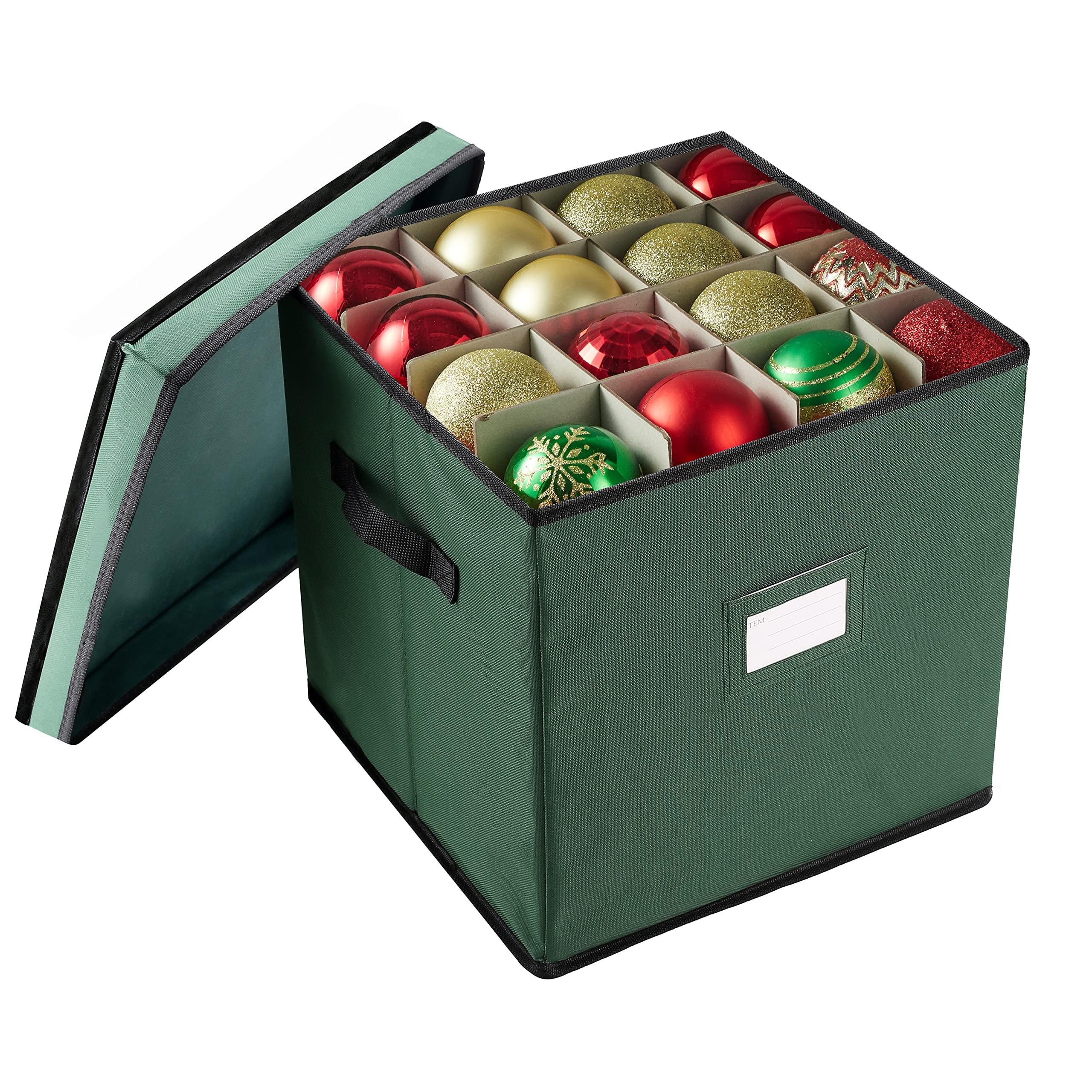
Ornaments are small, delicate and often sentimental. A glass bauble with a chipped edge or a hand-painted keepsake with a scuffed finish can ruin a gift before it reaches the tree. Well-made Christmas Ornament Boxes solve that problem by holding each piece firmly in place, protecting it during shipping and presenting it as something worth saving. Many customers store ornaments in their original boxes year after year, so the packaging keeps working long after the sale.
Why Ornament Packaging Matters
Holiday gifting drives a large share of yearly retail sales. The National Retail Federation forecast that U.S. holiday sales in 2024 would reach roughly $979 billion to $989 billion. Check the NRF's latest forecast before quoting a figure in your own marketing.
Ornaments benefit from that spending because they suit collectors, families and last-minute shoppers alike. Still, they're fragile, and returns from breakage eat into profit. Custom Christmas Boxes cut damage rates and raise the perceived value of the product, which supports higher prices for handmade or limited-edition pieces.
Packaging also affects repeat business. A customer who opens a well-protected ornament and keeps the box for storage will see your logo every December, which keeps your brand in their home for years.
Match the Box to the Ornament
Different ornaments need different protection. Start with material, shape and weight.
Glass and Ceramic Ornaments
These are the most fragile. Use a rigid box with a molded or die-cut insert that cradles the piece, and leave room for tissue or paper filler around it. When you shop for Christmas Ornament Boxes for glass items, ask for sample inserts in your exact ornament sizes.
Wood, Metal and Resin Ornaments
Sturdier ornaments need less cushioning but still benefit from a snug fit. A paperboard tray or a folded sleeve can keep pieces from scratching each other. Add a protective wrap or pouch for painted or plated finishes.
Sets and Collectible Editions
Sets of six or twelve call for multi-compartment boxes with dividers. A window or a magnetic closure makes a premium display, and a numbered or dated print adds collector appeal. Keep heavier pieces in the lower compartments so the box stays balanced.
Materials and Finishes That Protect
Strength and presentation both matter:
- Rigid board: Strong and luxurious, ideal for glass and premium sets.
- White SBS paperboard: Clean surface that prints holiday colors crisply.
- Kraft paperboard: Natural, recyclable and suited to artisan brands.
- Corrugated board: Extra protection when you ship long distances.
Inserts matter as much as the outer box. Paperboard, molded pulp and foam each cushion differently, and pulp or paper options are easier to recycle. For finishes, matte lamination looks refined and hides fingerprints. Gloss makes colors pop, and foil stamping adds shimmer to a logo or snowflake. Soft-touch coating feels luxurious but can show scuffs, so request a sample first.
Ask every supplier for a full quote that spells out what's included. Inserts, finishes and special sizes can change the price noticeably, and Custom Christmas Boxes with several upgrades cost more than the base unit price suggests.
Design Tips That Help Ornaments Sell
Simple designs read faster and print more cleanly. Follow these steps:
- Lead with your logo. Make it clear from a few feet away.
- Use a short palette. Two or three colors look polished; red, green, gold and cream suit the season.
- Show the ornament. A window or a printed image helps shoppers know what's inside.
- Add a keepsake note. A small card with the year, the artist or the story makes the piece feel special.
- Plan for storage. Choose a box that closes securely and stacks well for reuse.
- Test with real ornaments. Pack a sample, drop-test it gently from a short height and check for movement.
Keep your year-round branding visible. Custom Christmas Boxes should feel like a seasonal version of your brand, not a different company's packaging.
Plan Your Timeline and Quantities
Printing, finishing and delivery all take time, and holiday demand slows every supplier. A workable schedule looks like this:
- Early September: Pick box styles, insert types and quantities.
- Mid September: Approve artwork and request samples.
- Early October: Place the production order.
- Early November: Receive boxes and practice packing before the rush.
Minimum order quantities vary, so ask early. If you're unsure how many to buy, look at your best holiday week last year and add about 10 to 15 percent as a buffer. Custom Christmas Boxes ordered late can mean rush fees or missed sales, so build in extra time.
Frequently Asked Questions
How early should I order holiday ornament boxes?
Aim for early October. That leaves time for proofs, production and shipping delays.
Do ornament boxes need inserts?
For glass and ceramic pieces, yes. Inserts keep ornaments from shifting and absorb shocks during shipping.
Can small shops afford printed packaging?
Often, yes. Simple one- or two-color prints on standard sizes keep costs down, and Christmas Ornament Boxes in common dimensions cost less than fully custom structures.
Final Thoughts
Ornament packaging does two jobs: it protects a fragile product and it presents a gift. Choose a structure that fits each piece, use inserts that hold it firmly, keep the design clean and order early. Done well, Custom Christmas Boxes give customers a reveal worth remembering, and a box worth keeping for next December.

 English
 Arabic
 French
 Spanish
 Portuguese
 Deutsch
 Turkish
 Dutch
 Italiano
 Romaian
 Portuguese (Brazil)
 Greek
