

Laparoscopic Surgery in Islamabad: Common Questions Patients Ask Before Treatment
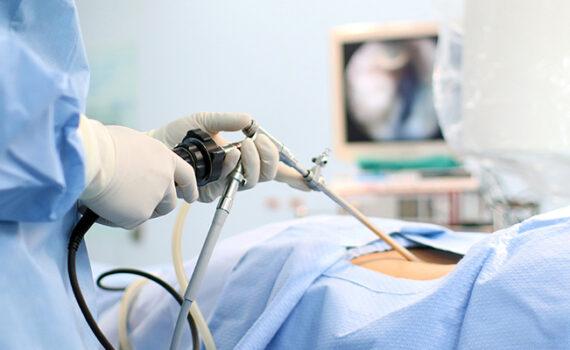
Laparoscopic surgery, often called keyhole surgery, is a minimally invasive approach used to diagnose or treat several conditions affecting the abdomen and pelvis. Instead of making one large incision, surgeons generally use a small camera and specialized instruments through several small cuts. This approach can offer benefits such as smaller scars, less discomfort, shorter hospital stays, and faster recovery compared with some open procedures.
For patients considering Laparoscopic Surgery in Islamabad, understanding what happens before, during, and after treatment can make the experience less stressful. Below are some of the most common questions patients ask before undergoing this type of surgery.
What Is Laparoscopic Surgery?
Laparoscopic surgery involves inserting a thin instrument called a laparoscope through a small abdominal incision. The laparoscope contains a camera that provides images of internal organs on a monitor. Depending on the condition being treated, additional small incisions may be made to allow surgical instruments to be inserted.
It can be used for different procedures, including gallbladder removal, appendix surgery, certain hernia repairs, gynecological procedures, biopsies, and other abdominal or pelvic treatments. Whether laparoscopic surgery is appropriate depends on the patient's condition, medical history, and the specific procedure required.
Why Do Patients Choose Laparoscopic Surgery?
One of the main reasons laparoscopic techniques are considered is that they generally require smaller incisions than traditional open surgery. Smaller incisions may result in less postoperative discomfort, reduced scarring, and a shorter recovery period.
However, laparoscopic surgery is not automatically the best option for every patient. The surgeon must determine whether the technique is suitable based on the procedure and individual circumstances.
Will I Be Awake During the Procedure?
Most laparoscopic operations are performed under general anesthesia, meaning the patient is asleep during the procedure and does not feel the surgical process. The anesthesia team monitors the patient's vital signs throughout surgery.
Before treatment, patients should tell their medical team about existing medical conditions, allergies, previous reactions to anesthesia, and all medications or supplements they take.
How Should I Prepare for Laparoscopic Surgery?
Preparation depends on the type of surgery. Patients may receive instructions about fasting, medications, smoking, and other preoperative requirements. Some medicines, including certain blood-thinning medications, may need to be adjusted under medical supervision.
Patients should follow their surgical team's instructions carefully and arrange transportation home because driving immediately after anesthesia is not considered safe.
How Long Does Laparoscopic Surgery Take?
The duration varies significantly depending on the procedure. A diagnostic laparoscopy may be relatively short, while a more complex operation can take considerably longer. Your surgeon should explain the expected duration during your consultation.
What Is Recovery Like After Laparoscopic Surgery?
Recovery depends on the procedure, overall health, and whether the surgery was diagnostic or therapeutic. Some patients can return home on the same day or after an overnight stay, while more complex procedures may require longer observation.
Temporary symptoms can include tiredness, abdominal discomfort, bloating, bruising around the incisions, nausea, or shoulder discomfort caused by the gas used during the procedure. These symptoms generally improve as recovery progresses.
Patients should gradually return to normal activities according to their surgeon's instructions rather than rushing the recovery process.
Are There Risks Associated With Laparoscopic Surgery?
Although laparoscopic surgery is commonly performed, it still carries potential risks. Possible complications include infection, bleeding, blood clots, reactions to anesthesia, injury to an internal organ or blood vessel, and the possibility of converting to open surgery when necessary.
The risks vary according to the procedure and the patient's health. A consultation allows the surgical team to explain the potential benefits and risks specific to the planned treatment.
When Should I Contact My Doctor After Surgery?
Patients should seek medical advice if they develop concerning symptoms such as worsening abdominal pain, persistent vomiting, fever, significant wound redness or swelling, pus or unusual bleeding. Difficulty breathing or chest pain requires urgent medical attention.
Following postoperative instructions and attending scheduled follow-up appointments can help identify and manage problems early.
FAQs About Laparoscopic Surgery
Is laparoscopic surgery painful?
Some discomfort is expected after surgery, but pain is often manageable with medication recommended by the medical team. The amount of discomfort varies according to the procedure and individual patient.
How many days will I need to stay in the hospital?
Some laparoscopic procedures are performed as day cases, while others may require an overnight or longer stay. The duration depends on the type and complexity of surgery.
Are laparoscopic scars permanent?
Laparoscopic surgery generally involves smaller incisions, so the resulting scars are usually smaller than those associated with traditional open surgery. Their appearance can vary depending on healing and individual skin characteristics.
Can everyone have laparoscopic surgery?
No. Laparoscopic surgery is not suitable for every patient or every condition. The surgeon evaluates the patient's diagnosis, previous surgeries, overall health, and other factors before recommending the approach.
How quickly can I return to normal activities?
Recovery varies considerably. Some patients resume light activities relatively quickly, while more complex operations can require several weeks for full recovery. Your surgeon should provide procedure-specific activity restrictions.
Final Thoughts
Laparoscopic surgery can provide a minimally invasive option for many abdominal and pelvic procedures, but suitability and recovery vary from patient to patient. Understanding the procedure, preparation requirements, possible risks, and recovery expectations can help patients make informed decisions. If you are considering Laparoscopic Surgery in Islamabad, discuss your medical history, treatment options, expected recovery, and potential complications with a qualified surgical professional before proceeding.

 English
 Arabic
 French
 Portuguese
 Deutsch
 Turkish
 Dutch
Dutch
 Italiano
 Russian
 Romaian
 Portuguese (Brazil)
 Greek
Greek
