

Laser Acne Scar Treatments in Riyadh for Reducing Visible Scarring
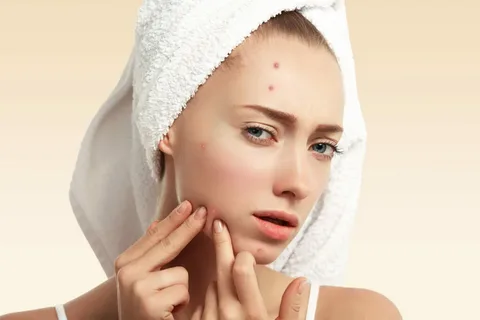
Acne scars can affect the appearance and texture of the skin long after active acne has disappeared. Uneven skin, depressed marks, and changes in pigmentation may remain and become a source of frustration for people seeking a smoother complexion. Modern laser technology offers several approaches to improving the appearance of acne scars by supporting skin renewal and stimulating collagen production. Understanding Laser Acne Scar Treatments in Riyadh can help individuals explore suitable treatment options, realistic results, and essential skincare practices before making an informed decision.
Laser treatments are not identical for everyone. The most appropriate approach depends on the type of scarring, skin tone, sensitivity, medical history, and individual expectations. Learning how laser procedures work and what to expect during recovery can help people make confident, well-informed decisions about their skincare journey.
Understanding Acne Scars and Their Causes
Acne scars develop when inflammation associated with acne damages the skin and affects its natural healing process. The body produces collagen to repair the affected tissue, but an imbalance in collagen production can result in visible changes to the skin's surface. Some scars appear as indentations, while others create raised areas or persistent discoloration.
The severity of acne scars varies considerably. Mild marks may become less noticeable over time, whereas deeper scars can remain visible for years without targeted treatment. Identifying the type of scar is an important first step in selecting an appropriate treatment strategy.
Different Types of Acne Scars
Atrophic scars appear as depressions in the skin and are commonly associated with a loss of supporting tissue. These scars include ice pick scars, boxcar scars, and rolling scars. Each type has different characteristics and may respond differently to laser resurfacing or combination treatments.
Hypertrophic scars and keloids develop when excessive collagen creates raised tissue. Although these scars are less common on the face, they require careful assessment because their treatment differs from that of depressed scars. Post-inflammatory hyperpigmentation can also remain after acne, producing dark spots that are not necessarily true scars.
How Laser Acne Scar Treatments Work
Laser procedures use concentrated light energy to target specific structures within the skin. Depending on the technology, the treatment may remove microscopic portions of the outer skin, create controlled thermal effects in deeper layers, or stimulate collagen remodeling without removing the entire surface.
Collagen is an important structural protein that helps maintain skin firmness and support. By encouraging the skin's natural repair response, certain laser treatments may gradually improve uneven texture and reduce the visibility of selected acne scars. The results usually develop over time rather than immediately after a single session.
Ablative Laser Resurfacing
Ablative lasers remove precise portions of damaged skin while stimulating the formation of new tissue. These procedures may be considered for selected individuals with more noticeable textural irregularities. Fractional ablative lasers treat microscopic columns of skin while leaving surrounding tissue intact, supporting the healing process.
Recovery can involve redness, swelling, peeling, and temporary sensitivity. The treatment may provide meaningful improvement in suitable cases, but it also requires careful aftercare and professional assessment to reduce the risk of complications.
Non-Ablative Laser Treatments
Non-ablative lasers deliver energy beneath the skin's surface without removing the outer layer in the same manner as ablative procedures. They can stimulate collagen remodeling and may be appropriate for people seeking gradual improvement with less surface disruption.
Several sessions may be needed to achieve noticeable changes. Treatment suitability depends on the scar pattern, skin characteristics, and the specific device being used. A qualified practitioner can explain the likely benefits and limitations before treatment begins.
Benefits of Laser Acne Scar Treatments in Saudi Arabia
Laser treatments can offer several potential benefits for individuals concerned about persistent acne scars. By targeting selected layers of the skin, these procedures may improve texture, soften the appearance of certain indentations, and support a more even-looking complexion.
The extent of improvement depends on the technology used and the individual's response to treatment. Complete scar removal cannot be guaranteed, and some scars may require a combination of approaches to achieve the best possible outcome.
Improving Uneven Skin Texture
Uneven texture is one of the most common concerns associated with acne scarring. Collagen-stimulating procedures may gradually soften the edges of selected depressed scars and improve the overall appearance of the skin's surface.
The improvement generally occurs over several weeks or months as the skin repairs itself and collagen continues to remodel. Maintaining realistic expectations is important because deeper scars may remain partially visible even after successful treatment.
Reducing the Appearance of Visible Scarring
Laser resurfacing may help reduce the contrast between scarred and surrounding skin. Certain treatments can make irregularities less noticeable by improving surface smoothness and supporting more uniform skin texture.
However, results vary according to scar depth, skin tone, and healing characteristics. A treatment plan should focus on measurable improvement rather than promising flawless skin or permanent removal of every scar.
Supporting a More Even Complexion
Some laser technologies can help address pigmentation associated with previous acne. Nevertheless, dark marks and structural scars are different concerns and may require different treatment methods.
People with darker skin tones need particular care because some laser procedures can trigger post-inflammatory hyperpigmentation or changes in skin color. A practitioner experienced in treating different skin tones can help select appropriate settings and assess the risks.
Choosing the Right Laser Treatment in Riyadh
Selecting a suitable procedure begins with a detailed skin assessment. A qualified dermatologist or appropriately trained medical professional should evaluate the type of scars, skin tone, current acne activity, medical history, and previous treatments before recommending a procedure.
The goal is to match the technology to the individual's needs instead of choosing a laser solely because it is widely advertised. Some people benefit from fractional resurfacing, while others may need alternative procedures or a combination approach.
Factors That Influence Treatment Selection
Several considerations help determine whether laser treatment is appropriate. Skin sensitivity, scar depth, the presence of active acne, and a history of pigmentation changes can all influence the recommended approach.
Individuals should also discuss medications, previous cosmetic procedures, and any history of abnormal scarring. Certain conditions and medications may affect healing or increase the likelihood of complications, making a thorough consultation essential.
The Importance of Professional Assessment
Professional assessment helps establish realistic expectations and identify potential contraindications. During the consultation, individuals should ask about the proposed laser type, anticipated recovery period, possible side effects, and the number of sessions that may be required.
It is equally important to understand alternative treatments. Depending on the scar type, options such as microneedling, subcision, chemical reconstruction techniques, or other dermatologist-directed procedures may be considered instead of, or alongside, laser treatment.
What to Expect During Treatment and Recovery
Before a laser procedure, the skin may need preparation according to the practitioner's instructions. This may include temporarily avoiding irritating skincare ingredients and limiting sun exposure. The exact preparation depends on the device and the individual's skin condition.
During treatment, protective eyewear is generally required, and a topical anesthetic may be used when appropriate. Patients may experience warmth, tingling, or a prickling sensation. Treatment duration and comfort levels vary according to the area being treated and the laser technology selected.
Managing Recovery and Aftercare
After treatment, temporary redness, swelling, dryness, and sensitivity may occur. Ablative procedures generally involve more noticeable recovery than non-ablative treatments. The skin should be cared for gently while it heals, following the practitioner's specific instructions.
Helpful aftercare practices may include:
-
Using a gentle cleanser and a recommended moisturizer.
-
Applying broad-spectrum sunscreen with SPF 30 or higher once appropriate.
-
Avoiding picking, scrubbing, and peeling healing skin.
-
Pausing irritating active ingredients until the skin has recovered.
-
Following instructions about makeup, exercise, and sun exposure.
Severe pain, increasing redness, spreading warmth, pus, or other signs of infection should be reported promptly to a healthcare professional. Proper aftercare supports healing but cannot eliminate every risk.
Results and Expectations for Acne Scar Reduction
Results from laser treatments develop gradually because collagen remodeling and skin repair take time. Some individuals notice early changes in texture, while others require several sessions before meaningful improvement becomes apparent.
The number and spacing of sessions depend on the laser type, scar characteristics, and recovery response. Deeper scars may improve without disappearing completely, and maintenance or complementary treatments may be recommended in selected cases.
Consistent sun protection is particularly important because ultraviolet exposure can worsen pigmentation and affect the appearance of healing skin. A long-term skincare routine can help maintain skin health and support the results achieved through professional treatment.
Frequently Asked Questions
1. What are Laser Acne Scar Treatments in Riyadh?
Laser acne scar treatments use focused light energy to improve selected textural irregularities and, with certain technologies, pigmentation associated with acne. The appropriate procedure depends on the type and severity of the scars, skin tone, and individual treatment goals.
2. Are Laser Acne Scar Treatments in Saudi Arabia suitable for all skin types?
Not every laser is suitable for every skin type. People with darker skin tones may have a higher risk of pigmentation changes with certain procedures. A qualified professional should assess the skin and select suitable technology and settings.
3. How many sessions are needed to improve acne scars?
The number of sessions varies according to scar depth, laser type, and individual healing response. Some people need multiple treatments, while more complex scars may require a combination of procedures. The expected treatment schedule should be discussed during consultation.
4. Can laser treatment completely remove acne scars?
Laser treatment can improve the appearance of many acne scars, but complete removal is not guaranteed. Results depend on scar type, severity, skin characteristics, and treatment response. The realistic goal is usually to reduce visibility and improve texture.
5. Is there downtime after laser acne scar treatment?
Recovery varies by procedure. Non-ablative treatments may involve mild redness and sensitivity, while ablative resurfacing can require a longer healing period. Following aftercare instructions and protecting the skin from sunlight are essential during recovery.
6. How can I maintain results after laser acne scar treatment?
Maintaining results involves consistent sun protection, gentle skincare, and managing active acne to help prevent additional scarring. Follow-up appointments allow the practitioner to monitor progress and recommend further treatment when appropriate.
Conclusion
Laser procedures can be a valuable option for people seeking to reduce visible acne scarring and improve uneven skin texture. Understanding the available technologies, potential benefits, recovery requirements, and possible side effects makes it easier to choose an appropriate treatment approach. Laser Acne Scar Treatments in Riyadh should always begin with a professional assessment, realistic expectations, and a personalized plan that considers skin tone and scar type. For individuals exploring professional skincare services, Enfield Royal Clinic Saudi can be considered as a starting point for learning about available aesthetic treatments and arranging a consultation to discuss individual concerns and suitable options.

 English
 Arabic
 French
 Spanish
 Portuguese
 Deutsch
 Dutch
 Italiano
 Russian
 Romaian
 Portuguese (Brazil)
 Greek
