

Eye Bag Removal for Aging Skin: What Are Your Options?
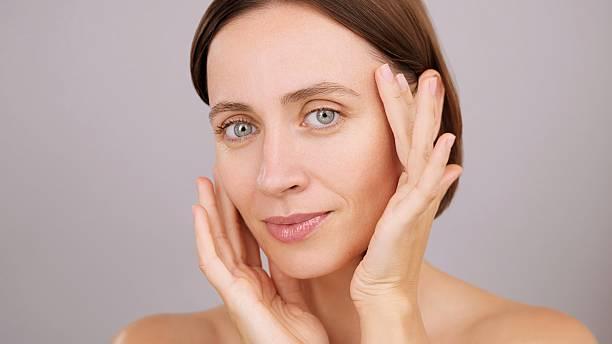
As the skin ages, changes around the eyes can make a person appear tired, even after a full night's sleep. Under-eye bags, loose skin, fine lines, and reduced elasticity are common concerns that develop gradually over time. Although these changes are a natural part of aging, several treatment options may help improve the appearance of the under-eye area. Understanding the causes of age-related eye bags and the available treatments can help individuals make informed decisions about their skincare and cosmetic goals. For persistent concerns, Eye Bag Removal in Riyadh may be worth exploring after a professional assessment.
Why Do Under-Eye Bags Become More Noticeable With Age?
The skin surrounding the eyes is delicate and may show signs of aging earlier than other facial areas. Several changes can contribute to under-eye bags, and identifying the primary cause is important when selecting an appropriate treatment.
Loss of Skin Elasticity
Collagen and elastin help maintain the skin's firmness and flexibility. As the skin ages, changes in these structural proteins can make it thinner and less elastic. This may lead to sagging beneath the eyes and make existing puffiness more noticeable.
Changes in Fat and Supporting Tissues
Fat naturally cushions the eyes, but the tissues supporting it can weaken over time. This may allow fat beneath the lower eyelids to become more prominent, creating persistent bags. Unlike temporary swelling, these structural changes are unlikely to disappear through sleep adjustments or skincare alone.
Fluid Retention and Lifestyle Factors
Fluid can accumulate beneath the eyes, particularly overnight. Poor sleep, high salt intake, and allergies may contribute to temporary puffiness. These factors can make age-related bags look more noticeable, even when they are not the main cause.
Genetics and Facial Anatomy
Some individuals develop under-eye bags earlier because of inherited facial features. The shape of the lower eyelids and the natural distribution of fat can influence how prominent these bags appear. Genetics may therefore contribute to under-eye concerns regardless of age or skincare routine.
What Are the Treatment Options for Age-Related Eye Bags?
The most suitable treatment depends on whether the concern involves temporary swelling, excess skin, prominent fat, fine lines, or hollowing beneath the eyes. A professional assessment can help determine which options may offer meaningful improvement.
Skincare and Lifestyle Adjustments
For mild puffiness, simple daily habits may help improve the appearance of the under-eye area. Getting adequate sleep, moderating salt intake, staying appropriately hydrated, and managing allergies may reduce swelling associated with fluid retention.
A gentle moisturizer can help improve skin hydration and make fine lines less noticeable. Some eye creams containing caffeine may temporarily reduce the appearance of puffiness, although their effects are limited. Skincare products cannot remove substantial fat deposits or significant excess skin.
Non-Surgical Cosmetic Treatments
Certain non-surgical treatments may help improve skin texture, fine lines, or selected under-eye concerns. Depending on the individual's needs, a qualified practitioner may discuss appropriate skin treatments or energy-based procedures.
These options have limitations. They generally cannot correct prominent fat deposits or substantial skin laxity. Fillers may be considered for selected cases of under-eye hollowing, but they do not remove eye bags and can sometimes worsen puffiness. Treatment around the eyes requires careful assessment because complications are possible.
Lower Eyelid Surgery
Lower blepharoplasty, commonly known as lower eyelid surgery, may be considered when age-related changes involve prominent fat, excess skin, or weakened supporting tissues.
Depending on the patient's anatomy, a surgeon may remove or reposition fat and address excess skin when appropriate. The goal is to improve the contour of the lower eyelids while preserving natural facial features and eyelid function.
Eye Bag Removal in Riyadh may be an option for suitable candidates whose under-eye bags result primarily from structural changes. A qualified surgeon should explain the expected benefits, limitations, recovery requirements, and potential complications before treatment.
Surgery is not appropriate for everyone, and it cannot guarantee perfect symmetry or eliminate every fine line and dark circle. Individual results depend on anatomy, skin quality, healing, and the chosen surgical technique.
Who May Be a Suitable Candidate for Eye Bag Removal?
Adults with persistent under-eye bags that do not improve with appropriate skincare or lifestyle adjustments may benefit from a professional consultation. Suitability depends on the underlying cause, general health, eye health, skin condition, and expectations.
During an assessment, a clinician may review medical history, medications, allergies, dry-eye symptoms, and previous eye procedures. Certain conditions can affect treatment planning and recovery, so sharing relevant information is important.
It is also necessary to distinguish eye bags from dark circles and under-eye hollows. Dark circles may result from pigmentation, visible blood vessels, or shadows, while hollows involve a loss of volume. These concerns may require different approaches.
What Should You Expect During Recovery?
Recovery varies depending on the treatment selected. Skincare and non-surgical procedures may cause temporary irritation or swelling, whereas surgery generally requires a longer healing period.
After lower eyelid surgery, patients may experience bruising, swelling, tightness, and temporary discomfort. Following the surgeon's instructions, avoiding strenuous activities for the recommended period, and attending follow-up appointments can support recovery.
Results develop gradually as swelling subsides. Patients should seek urgent medical attention if they experience sudden vision changes, severe eye pain, rapidly increasing swelling, or significant bleeding.
How Can You Maintain Healthier-Looking Skin Around the Eyes?
Although aging cannot be stopped, consistent skincare habits may help support the appearance of the eye area. Use a gentle cleanser, apply a suitable moisturizer, and protect the skin from sun exposure with appropriate broad-spectrum sunscreen and sunglasses.
Avoid rubbing the eyes and use products formulated for the delicate eye area. Managing allergies and maintaining a consistent sleep routine may also help reduce temporary puffiness.
These habits support skin health but cannot reverse every structural change associated with aging. Professional guidance can help determine whether further treatment is appropriate.
Conclusion
Age-related under-eye bags can result from reduced skin elasticity, prominent fat, loose skin, fluid retention, or inherited facial features. Lifestyle adjustments and skincare may help with mild puffiness, while persistent structural concerns may require a professional treatment plan. The most appropriate option depends on the individual's anatomy, health, and cosmetic goals.
If you are considering Eye Bag Removal in Riyadh, Royal Clinic Saudia can help you arrange a consultation to discuss your concerns, explore suitable treatment options, and understand the potential benefits and limitations of each approach.

 English
 Arabic
 French
 Spanish
 Portuguese
 Turkish
 Dutch
 Italiano
 Russian
 Romaian
 Portuguese (Brazil)
 Greek
