

What to Expect When Treating Localized Fat With Liposuction
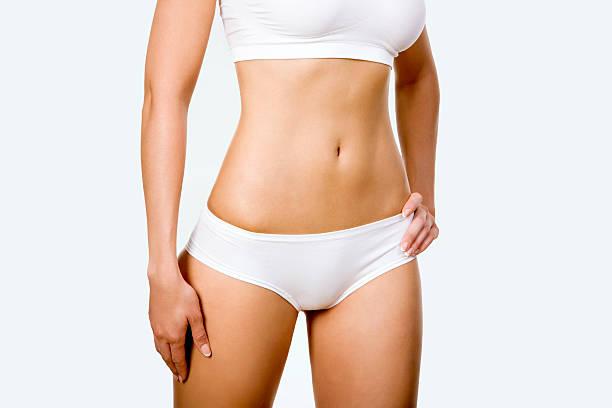
Localized fat deposits can remain noticeable in certain areas of the body even when a person maintains a balanced diet and follows a regular exercise routine. These areas may affect the appearance of the waist, abdomen, hips, thighs, upper arms, or back. Liposuction is a surgical body-contouring procedure designed to remove selected fat deposits and refine the body's natural contours. For people researching Liposuction in Riyadh (عملية شفط الدهون في الرياض), understanding the treatment process, recovery expectations, and potential limitations can help them make informed decisions about whether the procedure suits their goals.
Understanding Localized Fat Deposits
Localized fat refers to fat that accumulates in particular areas of the body. Genetics, hormones, age, and natural body composition can influence where fat is stored. Some people notice fullness around the abdomen, while others may be more concerned about the flanks, outer thighs, or upper arms.
Exercise and healthy eating support overall health and can influence body fat, but they cannot guarantee fat loss from a specific area. Liposuction may be considered when localized deposits remain a concern and a person is otherwise an appropriate candidate for surgery. It is important to understand that the procedure is intended to reshape selected areas rather than provide significant overall weight loss.
How Liposuction Treats Localized Fat
Liposuction involves inserting a thin surgical instrument called a cannula through small incisions to remove fat from targeted areas. The surgeon moves the instrument carefully beneath the skin to reduce selected deposits and shape the surrounding contours. The goal is to create a balanced appearance that complements the patient's natural anatomy.
The amount of fat removed and the areas treated depend on individual circumstances. Removing too much fat from one region may create uneven contours, so the surgeon must consider how the treated area relates to nearby body parts. A personalized plan helps establish what changes may be achievable while keeping patient safety central to the decision-making process.
Common Areas Treated With Liposuction
The abdomen and waist are frequently considered for liposuction because localized fat in these areas can affect the body's outline. Treatment may help reduce selected deposits around the midsection, although results depend on the distribution of fat, skin quality, and individual anatomy.
The hips, outer thighs, and lower back may also be considered when fat deposits affect the body's proportions. Some patients explore treatment for the upper arms or beneath the chin. Each area requires a separate assessment because tissue thickness, skin elasticity, and nearby structures vary. The surgeon determines which locations can be treated appropriately and whether treating multiple areas is suitable.
Who May Be Suitable for Liposuction?
Suitability for liposuction depends on more than the presence of unwanted fat. A surgeon will consider overall health, weight stability, skin elasticity, medical history, and the patient's expectations. People who are close to a stable weight and have localized deposits may be considered, provided their health and other circumstances support surgery.
Liposuction is not designed to treat obesity or replace long-term weight management. It also does not directly remove significant excess skin or correct every cause of body fullness. Certain medical conditions, medications, and lifestyle factors can increase surgical risks. A consultation allows the surgeon to assess these considerations and discuss whether liposuction or another option may be more appropriate.
What Happens During the Consultation?
The consultation is an opportunity to discuss treatment goals and understand what the procedure may realistically achieve. The surgeon may ask which areas concern the patient, what changes they hope to see, and whether they have undergone previous procedures. A medical history review helps identify potential risks and any need for additional assessment.
A physical examination may evaluate fat distribution, skin elasticity, existing contours, and asymmetry. The surgeon can then explain the recommended treatment areas, possible limitations, and expected recovery. Patients should ask about the surgeon's relevant qualifications, anesthesia, the surgical facility, follow-up care, and the risks associated with the proposed approach before making a decision.
Preparing for the Procedure
Once surgery is considered appropriate, the medical team provides instructions for preparation. These may include reviewing medications and supplements, arranging necessary medical tests, and following guidance about eating and drinking before anesthesia. Patients should disclose smoking, vaping, allergies, existing medical conditions, and any history of anesthesia-related complications.
Patients may also need to arrange transportation home and support during the early recovery period. It is important not to stop prescribed medication or begin new supplements without medical advice. Following the preparation instructions provided by the surgical team helps reduce avoidable risks and ensures that patients understand what is required before the procedure.
Recovery After Liposuction
After treatment, swelling, bruising, tenderness, and temporary changes in skin sensation may occur. These effects generally improve gradually, but the recovery period varies according to the extent of treatment and individual healing. Some patients may be advised to wear a compression garment to help manage swelling and support the treated tissues.
The surgeon will explain how to care for incision sites, when to resume daily activities, and how long to avoid strenuous exercise or heavy lifting. Gentle movement may be encouraged when appropriate, but patients should follow their specific postoperative instructions. Worsening pain, fever, unusual wound drainage, or sudden swelling should be reported promptly. Chest pain or difficulty breathing requires emergency medical attention.
Understanding Results and Limitations
Liposuction can reduce the volume of fat in selected areas, but the final appearance develops gradually as swelling subsides. Some changes may become noticeable within the first several weeks, while the final contours can take several months to emerge. Individual results vary because of differences in anatomy, skin elasticity, surgical technique, and healing.
The procedure cannot guarantee perfect symmetry or a particular body shape. If the skin is significantly loose, removing underlying fat may not produce the desired smoothness. The surgeon should explain these limitations before treatment so that expectations remain realistic and the patient understands what the procedure can and cannot accomplish.
Maintaining Your Body Contours After Treatment
Maintaining a relatively stable weight can help preserve the results of liposuction. Although the procedure removes fat cells from treated areas, remaining fat cells can still enlarge when a person gains weight. Significant weight changes may alter body proportions and affect the appearance of the treated regions.
Balanced nutrition, regular physical activity, and sustainable lifestyle habits can support long-term weight stability. Patients should also recognize that aging and other natural changes may influence their body shape over time. Liposuction is best understood as a contouring procedure rather than a replacement for healthy habits.
Arrange a Liposuction Consultation at Royal Clinic Saudi
If you are exploring Liposuction in Riyadh to address localized fat deposits, contact Royal Clinic Saudi (عيادات رويال كلينك) to ask about arranging a consultation. An appropriate medical assessment can help you understand your suitability, treatment options, potential risks, and recovery requirements before deciding whether liposuction aligns with your personal goals.
FAQs:
Can liposuction remove localized fat that does not respond to exercise?
Liposuction may reduce selected fat deposits that remain despite lifestyle efforts, provided the patient is an appropriate surgical candidate. It is not a substitute for weight management.
Which areas of the body can be treated with liposuction?
Common areas include the abdomen, waist, hips, thighs, upper arms, back, and beneath the chin. Suitability depends on individual anatomy and medical assessment.
How soon will I see results after liposuction?
Some changes may become visible as early swelling decreases, but the final contours can take several months to develop. Recovery varies from person to person.
Can localized fat return after liposuction?
Removed fat cells are reduced in the treated area, but remaining fat cells can enlarge with weight gain. Maintaining a stable weight can help preserve the outcome.

 English
 Arabic
 French
 Spanish
 Deutsch
 Turkish
 Dutch
 Italiano
 Russian
 Romaian
 Portuguese (Brazil)
 Greek
