

Tummy Tuck Surgery in Riyadh: Addressing Loose Skin and Muscle Laxity
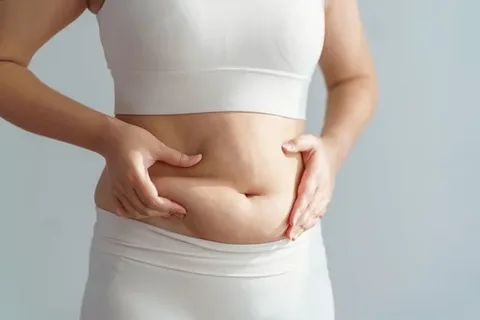
Understanding Tummy Tuck Surgery in Riyadh
Tummy Tuck surgery in Riyadh (عملية شد البطن في الرياض) is a body-contouring procedure designed to address excess abdominal skin, stubborn tissue, and weakened or separated abdominal muscles. Medically known as abdominoplasty, this surgery may help individuals achieve a flatter, firmer abdominal profile when diet and exercise alone cannot resolve loose skin or certain structural changes.
Weight fluctuations, pregnancy, aging, and changes in skin elasticity can affect the appearance of the abdomen. Even individuals who maintain a healthy lifestyle may experience persistent folds of skin or abdominal muscle separation. Understanding how tummy tuck surgery works can help prospective patients make informed decisions about their treatment options.
Tummy tuck surgery is not primarily a weight-loss procedure. Instead, it focuses on reshaping the abdominal area by removing selected excess skin and, when appropriate, tightening the underlying connective tissue or abdominal muscles.
What Is Tummy Tuck Surgery?
Abdominoplasty is a surgical procedure that improves abdominal contours by removing excess skin and addressing selected underlying tissue concerns. Depending on the individual's anatomy and treatment goals, the procedure may involve the lower abdomen or a more extensive area.
During surgery, the surgeon typically makes an incision across the lower abdomen, with its position planned to help conceal the resulting scar beneath underwear or swimwear. Excess skin is removed, and the remaining skin is repositioned to create a smoother abdominal appearance. The belly button may also require repositioning during a full tummy tuck.
The exact surgical approach depends on skin laxity, muscle separation, previous operations, overall health, and the amount of abdominal tissue requiring correction. A qualified plastic surgeon evaluates these factors before recommending an appropriate technique.
Why Does Loose Abdominal Skin Develop?
Loose abdominal skin can develop when the skin stretches beyond its ability to return to its previous shape. Pregnancy may stretch the abdominal wall and skin, while significant weight loss can leave excess tissue that remains even after a person reaches a stable weight.
Aging also contributes to reduced collagen and elastin, which are important for maintaining skin firmness. Genetics, repeated weight changes, and individual differences in skin quality can influence how much abdominal laxity develops.
Exercise can strengthen abdominal muscles and improve general fitness, but it cannot remove substantial excess skin. Similarly, creams and non-surgical treatments may offer limited improvements in skin appearance but cannot reproduce the tissue removal achieved through abdominoplasty.
Understanding Abdominal Muscle Laxity and Separation
Abdominal muscle laxity refers to reduced firmness or support in the abdominal wall. Pregnancy and other factors can contribute to diastasis recti, a condition in which the connective tissue between the two sides of the rectus abdominis muscles becomes widened.
Muscle separation may cause the abdomen to protrude even when a person is relatively lean. Some individuals also experience reduced core support or changes in abdominal shape. However, abdominal protrusion can have several causes, so a professional assessment is necessary to identify the underlying issue.
During a suitable tummy tuck procedure, the surgeon may tighten the supportive connective tissue over the abdominal muscles. This is sometimes called muscle repair. It can improve abdominal contour in selected patients, but it does not guarantee improved strength, eliminate every functional symptom, or replace treatment for other abdominal conditions.
Types of Tummy Tuck Surgery in Riyadh
Different abdominoplasty techniques address different degrees of excess skin and abdominal laxity. Selecting the appropriate procedure depends on anatomy, medical history, and the patient's goals.
Full Tummy Tuck
A full tummy tuck generally addresses excess skin across the lower abdomen and may include tightening the abdominal wall when indicated. It often involves an incision across the lower abdomen and repositioning of the belly button. This option may suit individuals with more extensive skin laxity or muscle separation.
Mini Tummy Tuck
A mini tummy tuck focuses primarily on excess skin below the belly button. It generally involves a shorter incision and may not require belly-button repositioning. It is not suitable for everyone, particularly those with substantial upper-abdominal skin laxity or more extensive muscle separation.
Extended Tummy Tuck
An extended tummy tuck may be considered when excess skin extends beyond the abdomen toward the flanks. The incision is usually longer to address a broader area. The surgeon evaluates whether this approach is appropriate based on the distribution of excess tissue and the patient's overall health.
Who May Be a Suitable Candidate?
The suitability of Tummy Tuck surgery in Riyadh depends on individual health, anatomy, and expectations rather than appearance alone. Candidates commonly include people who have persistent excess abdominal skin, stable body weight, or muscle separation that may benefit from surgical correction.
A suitable candidate is generally in good overall health, does not have medical conditions that make surgery unacceptably risky, and understands the recovery requirements. People planning future pregnancies may be advised to postpone surgery because pregnancy can stretch the abdominal wall again and affect the results.
Smoking and nicotine use can increase the risk of wound-healing complications. Patients should discuss all medications, supplements, existing health conditions, and previous surgeries with their surgeon. A medical evaluation helps determine whether the expected benefits justify the risks.
What to Expect Before the Procedure
Preparation begins with a consultation and physical examination. The surgeon assesses skin quality, the location of excess tissue, abdominal muscle separation, previous scars, and any factors that could influence healing.
Patients should provide a complete medical history and discuss their expectations openly. Depending on their circumstances, they may need laboratory tests, medication adjustments, or other preoperative assessments. Smoking cessation, nutritional planning, and maintaining a stable weight may also form part of the preparation process.
The surgical team explains the expected incision, anesthesia, recovery arrangements, potential complications, and follow-up schedule. Patients should arrange assistance at home, especially during the first days after surgery, when movement may be uncomfortable and lifting restrictions are important.
Recovery After Tummy Tuck Surgery
Recovery varies according to the surgical technique, the extent of tissue removal, and each patient's healing response. Swelling, bruising, tightness, and temporary discomfort are common during the early recovery period. The surgeon may recommend prescribed pain relief, compression garments, wound care, and specific movement instructions.
Walking gently as advised can support circulation, while strenuous exercise and heavy lifting should be avoided until the surgeon confirms that these activities are safe. Patients may initially need to rest with their upper body slightly elevated and their knees bent to reduce tension on the incision.
Returning to work depends on the type of job and the extent of surgery. Physically demanding activities typically require a longer recovery period than desk-based work. Follow-up appointments help the surgeon monitor healing, assess the incision, and address concerns.
Severe or increasing pain, fever, spreading redness, shortness of breath, chest pain, or sudden swelling require prompt medical assessment. Chest pain or breathing difficulty warrants emergency care.
Benefits and Potential Risks
Tummy tuck surgery may improve abdominal contour, reduce excess skin, and address selected cases of abdominal muscle separation. Some patients also find that clothing fits more comfortably after recovery. Results depend on individual anatomy, surgical technique, healing, and long-term weight stability.
However, abdominoplasty is a major surgical procedure and carries risks. These may include infection, bleeding, fluid accumulation, delayed wound healing, noticeable scarring, changes in skin sensation, asymmetry, and complications related to anesthesia. Blood clots are an additional serious concern associated with major surgery.
A detailed consultation helps patients understand the likelihood and significance of these complications. Following postoperative instructions and attending scheduled appointments are important parts of reducing risk and supporting recovery.
Understanding Long-Term Results
The results of tummy tuck surgery can be long-lasting when patients maintain a relatively stable weight and follow appropriate health recommendations. Nevertheless, natural aging, future pregnancies, and substantial weight fluctuations can change abdominal contours over time.
Scars are permanent, although they generally mature and become less prominent as healing progresses. Their final appearance varies according to genetics, incision placement, skin characteristics, and wound healing. Patients should follow their surgeon's advice about scar care and sun protection.
Maintaining realistic expectations is essential. The procedure can improve selected physical features, but it cannot guarantee perfection, prevent future changes, or replace a balanced diet and regular physical activity.
Tummy Tuck Surgery in Saudi Arabia: Making an Informed Decision
People researching Tummy Tuck surgery in Riyadh may also explore Tummy Tuck surgery in Saudi Arabia to understand available surgical approaches, recovery expectations, and important safety considerations. Choosing a qualified plastic surgeon with appropriate training and experience in abdominoplasty is an important step.
Patients should verify professional credentials, discuss the surgeon's experience with similar procedures, and ask about anesthesia arrangements, surgical facility standards, emergency protocols, and postoperative follow-up. Before-and-after photographs may help illustrate the surgeon's work, but individual outcomes can differ considerably.
A consultation should provide enough information for patients to make a voluntary, informed decision without pressure. Understanding the potential benefits, limitations, alternatives, and risks is more important than pursuing a particular body shape or relying on promises of guaranteed results.
Frequently Asked Questions
What Does Tummy Tuck Surgery in Riyadh Treat?
Tummy tuck surgery primarily treats excess abdominal skin and may address underlying connective tissue laxity or abdominal muscle separation. It is intended to improve abdominal contour rather than serve as a primary weight-loss treatment.
Is Tummy Tuck Surgery in Saudi Arabia Suitable After Pregnancy?
It may be suitable for individuals who have completed their planned pregnancies, reached a stable weight, and have persistent excess skin or abdominal muscle separation. A surgeon must assess individual health and circumstances before recommending surgery.
Can a Tummy Tuck Correct Separated Abdominal Muscles?
A full tummy tuck may include tightening the connective tissue supporting the abdominal muscles when clinically appropriate. The extent of correction depends on the individual's condition and surgical plan, and results cannot be guaranteed.
How Long Does Recovery From Tummy Tuck Surgery Take?
Recovery differs between patients. Many need several weeks before resuming most routine activities, while strenuous exercise and heavy lifting may require additional time. The surgeon provides personalized guidance based on healing and the procedure performed.
Are the Results of Abdominoplasty Permanent?
Results can be long-lasting, particularly when body weight remains stable. However, pregnancy, major weight changes, and aging can affect the abdomen, while scars remain permanent even when they fade over time.
How Can I Choose a Qualified Tummy Tuck Surgeon in Riyadh?
Look for a properly credentialed plastic surgeon with relevant abdominoplasty experience. Discuss your medical history, expected outcomes, risks, surgical facility standards, anesthesia, and follow-up care before making a decision.
Conclusion
Tummy Tuck surgery in Riyadh may be an appropriate option for individuals seeking to address excess abdominal skin, improve abdominal contours, or correct selected cases of muscle separation. Understanding the available techniques, candidacy requirements, recovery process, and potential complications helps patients approach treatment with realistic expectations.
For anyone exploring Tummy Tuck surgery in Saudi Arabia, a personalized consultation with a qualified plastic surgeon is the best way to understand suitable options and make an informed decision. Enfield Royal Clinic Saudi can be considered as a starting point for exploring information about tummy tuck procedures and arranging a discussion about individual treatment needs. Patients should independently verify the qualifications of the treating surgeon, available surgical facilities, and the care provided before proceeding.

 English
 Arabic
 French
 Spanish
 Portuguese
 Deutsch
 Turkish
 Dutch
 Italiano
 Romaian
 Portuguese (Brazil)
 Greek
