

When Can You Return to Work After Rhinoplasty?
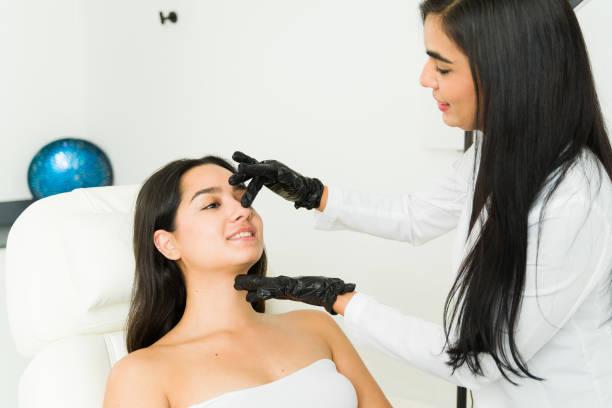
Returning to work after rhinoplasty depends on the type of surgery, your healing progress, and the demands of your job. Some people feel ready to resume desk-based work within a week, while others need additional time for swelling, bruising, and discomfort to improve. Understanding the recovery timeline for Rhinoplasty in Riyadh (عملية تجميل الانف في الرياض) can help you plan your time off, arrange support, and return to your routine without putting unnecessary pressure on your healing nose. Your surgeon's instructions should always guide your return to work.
For individuals planning Rhinoplasty in Riyadh, it is helpful to consider both physical recovery and confidence about returning to social or professional settings. Even when you feel well enough to work, visible bruising, nasal congestion, or a protective splint may still be present during the first week. Jobs involving heavy lifting, frequent bending, strenuous movement, or possible facial injury may require a longer break than office-based roles. Planning ahead can make recovery more comfortable and predictable.
How Soon Can You Return to Work After Rhinoplasty?
Many patients can return to desk-based work or light daily activities after approximately seven to ten days, provided recovery is uncomplicated and their surgeon approves. However, this is a general estimate rather than a fixed rule. Some people may need less time, while others benefit from taking two weeks or longer away from work.
During the first several days, swelling, bruising, congestion, and tiredness may make normal activities uncomfortable. If your job requires frequent communication, long meetings, or being in front of clients, you may prefer to wait until visible bruising has improved.
Before setting a return date, discuss your work responsibilities with your surgeon. They can provide guidance based on the procedure performed, your healing progress, and any complications or additional treatments that may affect recovery.
Returning to Different Types of Work
The right time to resume work often depends on the physical demands of your occupation.
Office and Desk-Based Jobs
People with desk-based jobs may be able to return after about one week if they feel comfortable and their recovery is progressing normally. Remote work may be useful during the initial recovery period because it allows you to rest, avoid commuting, and take breaks when needed.
However, avoid assuming that working from home means you can immediately return to a full workload. Fatigue, headaches, discomfort, and disrupted sleep may affect concentration during the first few days.
Customer-Facing and Public-Facing Jobs
Jobs involving frequent interaction with customers, colleagues, or clients may require additional planning. Bruising around the eyes and swelling around the nose can remain visible for one to two weeks, although the extent varies between patients.
Some people prefer to return once the most noticeable bruising has faded. Others feel comfortable returning sooner. Makeup or concealer should not be applied over healing incisions or surgical areas unless your surgeon confirms it is safe.
Physically Demanding Jobs
People working in construction, healthcare roles involving heavy physical assistance, warehouse operations, or other demanding occupations may need more time away from work. Lifting heavy objects, bending repeatedly, and vigorous activity can increase pressure and may contribute to bleeding or swelling during early recovery.
Your surgeon may recommend several weeks before resuming strenuous duties, depending on the operation and your progress. If your employer can temporarily adjust your responsibilities, a gradual return may be possible.
Jobs With a Risk of Facial Injury
Occupations involving contact sports, physical confrontation, or a significant risk of accidental impact require particular caution. The nose remains vulnerable while tissues heal, even after visible bruising has disappeared.
Do not return to activities that could injure the nose until your surgeon confirms that it is safe. Depending on the circumstances, this may take considerably longer than returning to an office job.
What Happens During the First Week After Rhinoplasty?
The first week is generally focused on rest, protection, and following postoperative instructions. Swelling and bruising may become more noticeable during the first few days before gradually improving. Nasal congestion and difficulty breathing through the nose can also occur because of internal swelling or surgical supports.
During this period, you should avoid strenuous activity, protect your nose from accidental contact, and keep your head elevated when resting if instructed by your surgeon. Take prescribed medication as directed and attend your scheduled follow-up appointments.
Many patients have a postoperative review during which the surgeon checks healing and may remove an external splint when appropriate. The exact timing depends on the surgical technique and individual circumstances. Do not remove a splint or dressing yourself.
Can You Return to Work Before Bruising Disappears?
Returning to work before all bruising has disappeared may be possible if your job is not physically demanding and your surgeon considers your recovery satisfactory. Mild bruising or swelling does not necessarily prevent you from carrying out routine desk-based tasks.
However, you should not use appearance alone to judge whether you are ready. Feeling energetic does not always mean that the tissues have healed sufficiently for strenuous activities. Follow your surgeon's guidance about work, exercise, lifting, and other physical demands.
If your work requires wearing protective equipment that presses against the nose, ask your surgeon when it is safe to use it again.
Tips for a Smoother Return to Work
Planning ahead can make the transition back to work easier. Consider the following steps:
-
Arrange enough time off: Allow approximately one to two weeks for initial recovery when possible, adjusting this period to your job and your surgeon's advice.
-
Prepare your workload: Complete urgent tasks beforehand or arrange temporary coverage for responsibilities that cannot be postponed.
-
Consider remote work: Working from home may allow you to return gradually while reducing commuting demands.
-
Take regular breaks: Avoid overexertion and rest when you feel tired.
-
Protect your nose: Avoid pressure, accidental bumps, and activities that could interfere with healing.
-
Follow medical instructions: Attend follow-up visits and confirm when you can resume your normal duties.
These measures can help you manage the practical aspects of recovery without rushing the healing process.
When Should You Delay Returning to Work?
You may need additional recovery time if swelling is increasing rather than improving, pain is difficult to control, or you feel unusually weak or unwell. Contact your surgical team if you develop persistent bleeding, fever, unusual discharge, or worsening pain.
Seek urgent medical attention if you experience difficulty breathing, sudden vision changes, severe eye pain, or rapidly increasing swelling. These symptoms should not be dismissed as routine postoperative effects.
Your return-to-work plan should be flexible enough to accommodate your healing progress. If you are unsure whether a task is safe, check with your surgeon before resuming it.
Plan Your Recovery With Royal Clinic Saudia
If you are considering Rhinoplasty in Riyadh, Royal Clinic Saudia (عيادات رويال كلينك) can help you understand the recovery process and plan around your professional responsibilities. Schedule a consultation to discuss the procedure, expected downtime, postoperative care, and when you may be able to return to work based on your individual circumstances.
FAQs:
How many days off work do I need after rhinoplasty?
Many people plan around seven to fourteen days away from work, particularly if their job involves public interaction. The appropriate period depends on your recovery, the extent of surgery, and your surgeon's recommendations.
Can I work from home three days after rhinoplasty?
Some people may feel comfortable doing light remote work after a few days, but others need more rest. Avoid overexertion and follow your surgeon's instructions, particularly if you are experiencing significant discomfort or fatigue.
When can I return to a physically demanding job after rhinoplasty?
Strenuous work may need to be postponed for several weeks, depending on the procedure and healing progress. Your surgeon should confirm when lifting, bending, and other demanding tasks are safe.
Can I return to work while my nose is still swollen?
Yes, many patients return to desk-based work while some swelling remains. However, your readiness should depend on your overall recovery and the demands of your job, not appearance alone.

 English
 Arabic
 French
 Spanish
 Portuguese
 Deutsch
 Turkish
 Dutch
 Italiano
 Russian
 Romaian
 Greek
