

Hydrafacial Treatment in Dubai for Pore Cleansing
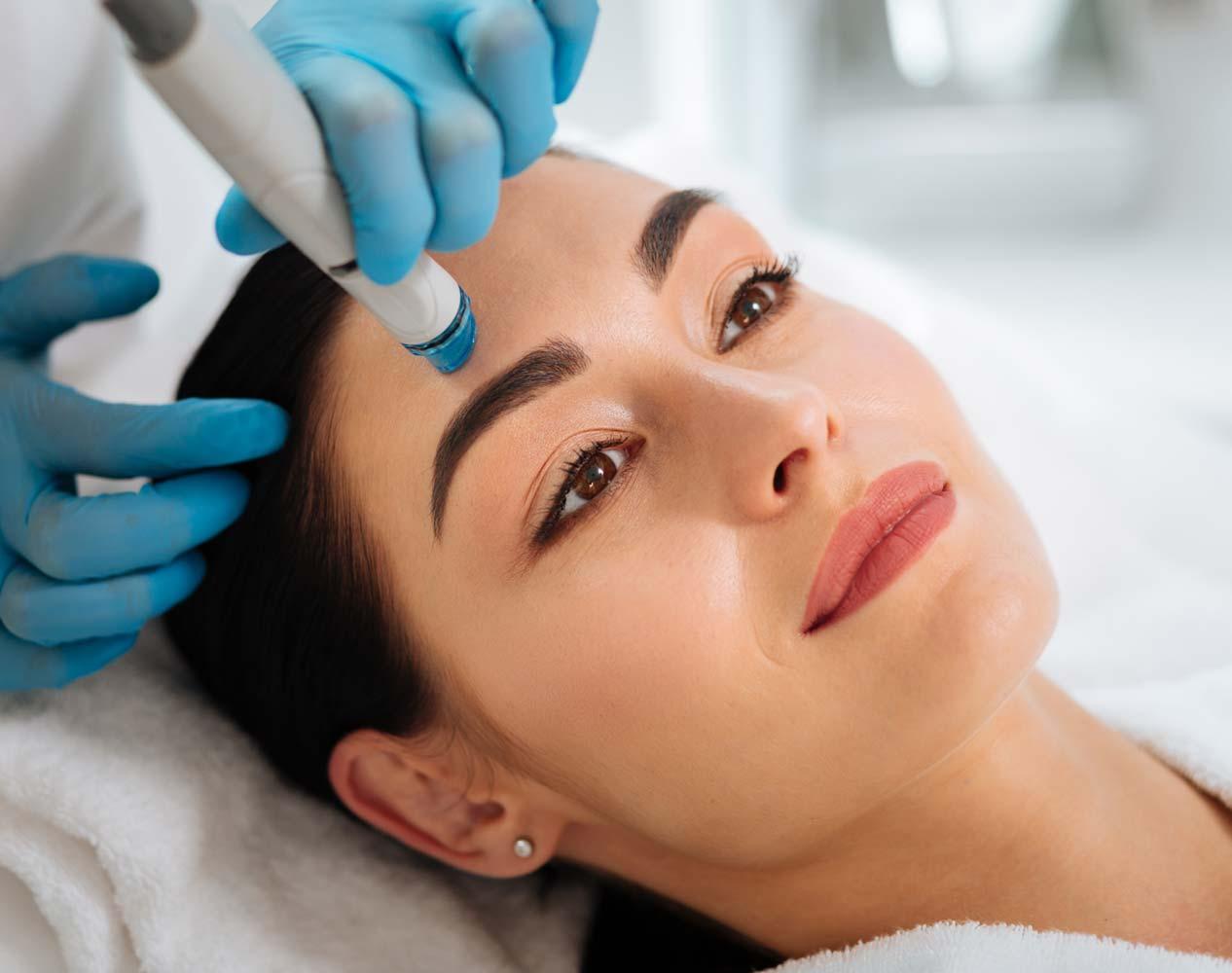
Clogged pores, excess oil, and dead skin cell buildup can make the complexion appear uneven and congested. A consistent skincare routine can help manage these concerns, but some people also explore professional facial treatments to improve the appearance of their skin. Hydrafacial treatment in Dubai (علاج هيدرا فيشل في دبي) is a non-invasive option that combines cleansing, exfoliation, device-assisted extraction, and hydration to support a fresher-looking complexion.
The treatment is often chosen by people who want to address mild pore congestion without significant downtime. Understanding how Hydrafacial works, what it can realistically achieve, and how to care for your skin afterward can help you decide whether it fits your skincare goals.
What Is Hydrafacial Treatment in Dubai?
Hydrafacial is a device-assisted facial procedure designed to cleanse the skin, remove some surface buildup, and deliver hydrating skincare products. Depending on the treatment selected, it may include exfoliation and a controlled extraction process to help clear impurities from congested pores.
Unlike a basic facial that may rely on manual extraction, Hydrafacial uses specialized equipment to perform several skincare steps in one appointment. It is generally associated with minimal downtime, although temporary redness, tightness, or sensitivity may occur.
A professional skin assessment is important before treatment, particularly if you have active acne, highly sensitive skin, allergies, or an existing skin condition.
How Hydrafacial Helps With Pore Cleansing
Removes Surface Impurities
Oil, makeup residue, sunscreen, and environmental particles can collect on the skin throughout the day. If they are not removed effectively, they may contribute to a congested appearance. Hydrafacial begins with cleansing and exfoliation to help remove surface buildup.
This process may leave the skin feeling cleaner and looking fresher. However, daily cleansing remains essential, and a professional facial cannot prevent all future pore blockages.
Helps Clear Congested Pores
Hydrafacial uses a device-assisted extraction process to help remove some impurities from pores. This may improve the appearance of blackheads and mild congestion without extensive manual squeezing.
Results depend on the condition of your skin and the degree of blockage. Deep or persistent acne may require a different treatment plan, and inflamed blemishes should not be aggressively extracted.
Supports Smoother Skin Texture
Dead skin cells can contribute to roughness and make pores appear more noticeable. Gentle exfoliation helps remove some of this surface buildup, allowing the complexion to feel smoother.
Although Hydrafacial may improve the appearance of uneven texture, it does not permanently shrink pores or remove deep acne scars. Pore size is influenced by factors such as genetics, oil production, and skin structure.
Who Can Benefit From a Pore-Cleansing Facial?
Hydrafacial may be suitable for people experiencing mild congestion, blackheads, excess surface oil, or dullness. Those who wear makeup regularly or have a skincare routine that leaves residue may also be interested in professional cleansing.
People with oily or combination skin may appreciate the cleansing and extraction steps. Individuals with dry skin may benefit from the hydration component, but the treatment should be adjusted to avoid unnecessary irritation.
If you have active skin infections, open wounds, severe inflammation, or a compromised skin barrier, seek professional advice before booking. People with sensitive skin should also discuss possible reactions to exfoliating steps and treatment products.
What Happens During a Hydrafacial Session?
Skin Assessment and Preparation
The appointment generally begins with a discussion about your skin concerns, allergies, current skincare products, and any recent cosmetic procedures. This information helps the practitioner determine whether the treatment is appropriate.
Your skin is then cleansed to remove makeup and surface impurities. If you use retinoids or exfoliating acids, ask whether you should pause them before treatment and for how long. Do not stop prescribed medication without advice from the professional who recommended it.
Cleansing, Exfoliation, and Extraction
A specialized device is used to exfoliate the skin and help remove impurities from congested pores. The procedure is intended to be controlled, with the technique adjusted according to your skin's needs.
You should communicate any significant discomfort, burning, or unusual sensitivity during the session. The practitioner can then reassess the treatment approach.
Hydration and Finishing Care
Hydrating skincare products are applied during the final stages to help the skin feel softer and look refreshed. The specific products used may vary according to your skin type and the treatment selected.
Your practitioner may recommend a simple aftercare routine to support your skin following the appointment.
Hydrafacial for Blackheads and Excess Oil
Blackheads form when a pore becomes blocked with oil and dead skin cells, and the material at the surface darkens through exposure to air. Hydrafacial may help remove some of these impurities and improve the appearance of mild blackhead congestion.
However, it is not a permanent solution for blackheads or excess oil. Pores can become congested again, particularly when oil production is high or daily skincare does not suit your skin.
A consistent routine using appropriate cleansing and moisturizing products can help manage these concerns. If you experience persistent acne, painful blemishes, or frequent breakouts, consult a qualified healthcare professional about suitable treatments.
What Results Can You Expect After Pore Cleansing?
Some people notice that their skin feels smoother and looks more refreshed immediately after treatment. The appearance of mild congestion may improve, and hydration can make the complexion look temporarily plumper.
Results vary depending on skin type, the level of congestion, and individual sensitivity. Hydrafacial cannot guarantee completely clear pores, and it will not address every cause of acne or uneven skin texture.
Temporary redness or sensitivity can occur after treatment. If symptoms persist, worsen, or include significant swelling or burning, contact your provider or seek medical advice.
Aftercare Tips for Cleaner-Looking Skin
Use a Gentle Cleanser
Cleanse your face with a mild product suited to your skin type. Avoid harsh scrubs and aggressive cleansing techniques, which can irritate the skin and make it feel dry or uncomfortable.
Moisturize Regularly
Even oily skin needs appropriate hydration. Choose a moisturizer that feels comfortable and suits your skin's needs. Maintaining the skin barrier can help reduce dryness and support a balanced skincare routine.
Protect Your Skin From Sun Exposure
Use broad-spectrum sunscreen with SPF 30 or higher and reapply as directed, especially when spending time outdoors in Dubai. Sun protection supports overall skin health and helps reduce the risk of sun-related damage.
Avoid Picking at Pores
Squeezing blackheads or blemishes at home can cause irritation and increase the risk of inflammation, marks, or infection. Let the skin recover after treatment and follow your practitioner's instructions about when to resume exfoliating products.
How Often Should You Get Hydrafacial for Pore Cleansing?
The ideal frequency depends on your skin type, degree of congestion, sensitivity, and response to treatment. Some people choose occasional sessions as part of their skincare routine, while others may benefit from focusing on daily cleansing and suitable at-home products.
More frequent treatments are not always better. Excessive exfoliation can cause dryness, redness, and irritation. A practitioner can recommend an appropriate schedule based on your skin rather than using the same interval for everyone.
Is Hydrafacial the Right Choice for Your Skin?
Hydrafacial may be a useful option if your main concerns include mild pore congestion, blackheads, surface oil, or dullness. It combines several skincare steps in one appointment and is generally associated with little downtime.
However, it is not a cure for persistent acne, deep scarring, or every type of skin condition. A professional assessment can help you understand whether Hydrafacial is appropriate or whether another treatment would better meet your needs.
Conclusion
Hydrafacial treatment in Dubai may help improve the appearance of congested pores by combining cleansing, gentle exfoliation, extraction, and hydration. Results depend on your skin condition, and regular home care remains important for maintaining a fresh-looking complexion. At TAJMEELS DUBAI عيادة تجميل you can discuss your skincare concerns and explore personalized treatment options based on your skin type, goals, and professional assessment.

 English
 French
 Spanish
 Portuguese
 Deutsch
 Turkish
 Dutch
 Italiano
 Russian
 Romaian
 Portuguese (Brazil)
 Greek
