

Does Tattoo Removal Leave Scars on the Skin?
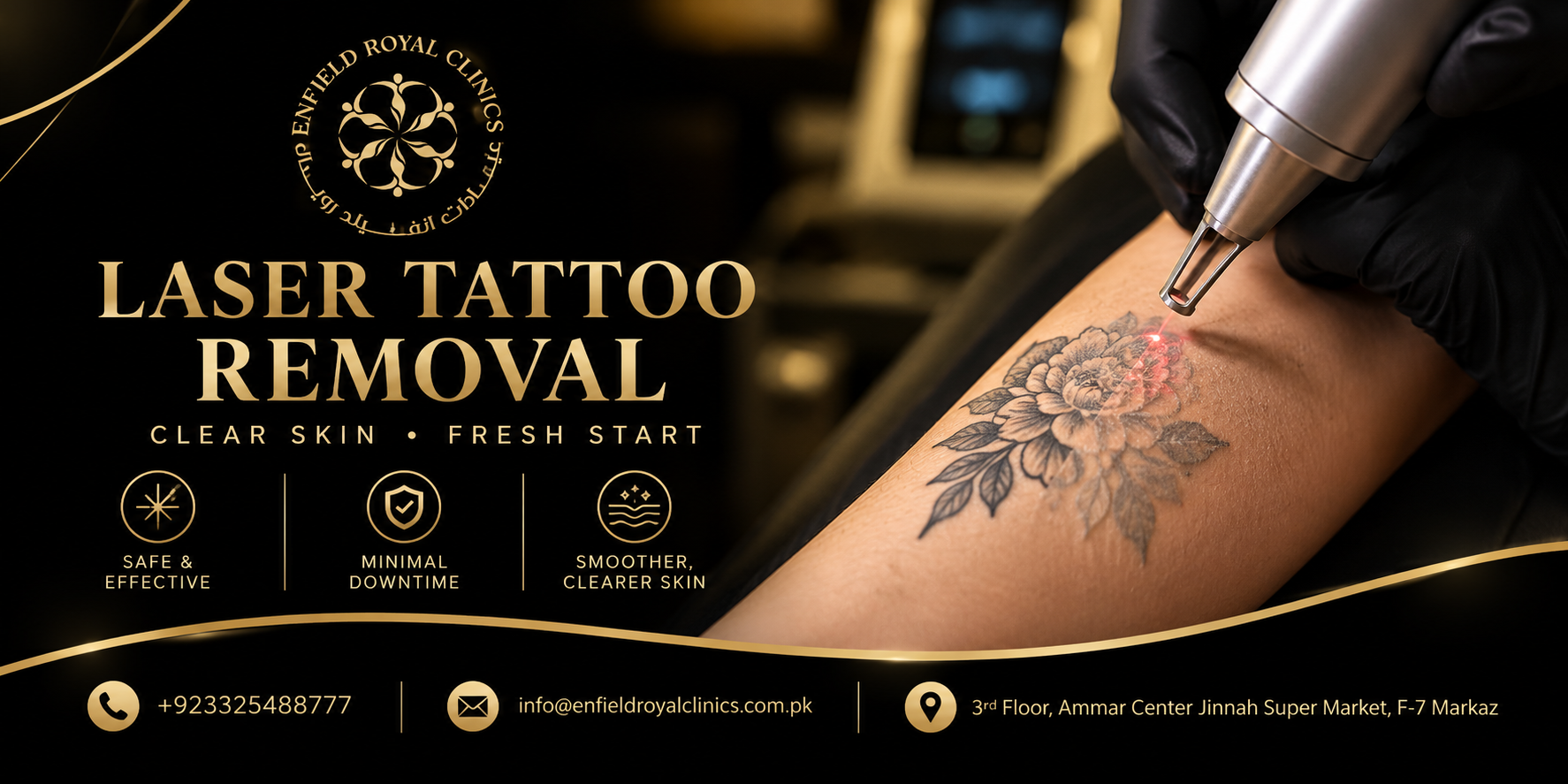
Tattoo removal allows people to reduce or eliminate unwanted body art, but concerns about scarring often make them hesitate before starting treatment. Some people worry that removing a tattoo could leave a permanent mark that looks more noticeable than the original design. Fortunately, modern laser technology can fade many tattoos with a relatively low risk of scarring when the procedure is performed appropriately and the skin receives proper care.
For individuals considering Tattoo Removal in Islamabad, understanding how scars develop, which factors increase the risk, and how to protect the skin during recovery can make the decision easier. Although scarring is possible, it does not occur in every case. The outcome depends on the tattoo's characteristics, the treatment method, the individual's skin, and the healing process.
A professional assessment and realistic expectations are essential because tattoo removal results vary. The goal is to reduce unwanted ink while minimizing damage to the surrounding skin.
1. Can Tattoo Removal Cause Permanent Scars?
Laser tattoo removal does not usually cause permanent scars when performed correctly, but the risk cannot be eliminated entirely. The procedure uses short pulses of concentrated light energy to break tattoo pigment into smaller particles. The body then gradually clears some of these particles over the following weeks.
The laser must target the ink while limiting unnecessary injury to the surrounding tissue. When appropriate equipment and settings are used, the treatment can often fade a tattoo without causing significant permanent skin damage.
However, the skin may react differently from one person to another. Temporary redness, swelling, tenderness, and small blisters can occur after treatment. These reactions do not automatically mean that a scar will develop.
Scarring becomes more likely when the skin experiences excessive heat, deeper injury, infection, or repeated trauma during healing. Picking at blisters or scabs can also damage the skin and increase the risk of permanent marks.
In some cases, a tattoo may already have caused scarring before removal begins. For example, a deeply applied professional tattoo or an earlier tattooing injury may have changed the skin's texture. Laser treatment can fade the ink, but it may not eliminate an existing scar.
People exploring Tattoo Removal in Islamabad should discuss any previous scarring or unusual healing with the practitioner before treatment. This information can help guide the treatment plan and establish realistic expectations.
2. What Factors Increase the Risk of Scarring?
Several factors influence whether tattoo removal leaves a scar. Understanding these factors helps patients take appropriate precautions before and after each session.
Treatment technique and laser settings: Using unsuitable settings or excessive energy can injure the surrounding skin. The laser wavelength, energy level, and treatment approach should be selected according to the tattoo and the individual's skin characteristics.
Skin type and healing response: Some people naturally develop raised scars or keloids after skin injuries. A personal history of these scars is important to discuss before laser treatment. Darker skin may also be more prone to certain pigmentation changes following inflammation, although pigment changes are not the same as scars.
Tattoo depth and density: Deeply placed or heavily pigmented tattoos may require more treatment sessions. Their removal can be more complex, particularly when the skin has already been damaged by previous tattooing or treatment.
Previous removal attempts: Earlier procedures, especially those that caused burns, wounds, or infection, may increase the risk of lasting skin changes.
Infection and poor aftercare: Bacteria entering damaged skin can delay healing and potentially contribute to scarring. Picking scabs, scratching blisters, or applying harsh products may also worsen skin injury.
Individual medical factors: Certain health conditions and medications may affect wound healing. Recent tanning or active skin irritation can create additional concerns and may require treatment to be postponed.
Before beginning Tattoo Removal in Islamabad, a detailed skin assessment can help identify these risks and determine whether additional precautions are appropriate.
3. Are Temporary Skin Changes the Same as Scarring?
One common source of concern is the appearance of the skin immediately after laser tattoo removal. The treated area may look red, swollen, pale, or darker than the surrounding skin. These changes can be alarming, but they do not necessarily indicate permanent damage.
Temporary redness and swelling are common responses to laser treatment. Some people also develop small blisters, crusting, or tenderness. When the skin heals normally, these symptoms generally improve over time.
Pigmentation changes are another possible effect. Hyperpigmentation occurs when the treated area becomes darker, while hypopigmentation makes the skin appear lighter. These changes may gradually improve, although some can persist.
Scarring is different because it involves changes to the skin's structure. A scar may appear raised, depressed, firm, shiny, or uneven compared with the surrounding skin. It can also affect the texture of an area after the redness and swelling have disappeared.
The distinction matters because a temporary color change may improve without leaving a permanent mark, whereas structural scarring can be more difficult to treat.
Patients should avoid judging the final result immediately after a session. The skin needs time to recover, and its appearance can change considerably during the healing period.
If the treated area develops an unusual texture, remains significantly inflamed, or shows signs of infection, it should be assessed by a qualified healthcare professional rather than treated with unverified home remedies.
4. How Can Patients Reduce the Risk of Scarring?
Although no method can guarantee scar-free tattoo removal, several precautions can reduce avoidable risks.
Choose an appropriate treatment provider
The practitioner should have suitable training and experience with laser tattoo removal, including the treatment of the patient's skin type. Appropriate equipment, protective eyewear, and carefully selected laser settings are essential.
Allow enough time between sessions
Tattoo removal usually requires multiple appointments because the body needs time to clear fragmented pigment. Treatments are commonly spaced several weeks apart, often six to eight weeks or longer, depending on healing and professional assessment.
Repeating treatment too soon can increase irritation and skin injury without necessarily improving results.
Follow the aftercare instructions
The treated area should be cleaned gently and protected according to the instructions provided. Patients should not pick scabs, scratch blisters, or remove crusting before it heals naturally.
Protect healing skin from sunlight
Sun exposure can worsen irritation and increase the likelihood of pigmentation changes. Keeping the area covered and following advice about sunscreen once the skin has healed sufficiently can help protect it.
Avoid unapproved products
Strong acids, abrasive scrubs, chemical products, and home tattoo-removal remedies can damage the skin. These methods may cause burns or wounds without reliably removing the ink.
People considering Tattoo Removal in Islamabad should also disclose any history of keloid scars, delayed wound healing, or previous treatment complications. These details can help the practitioner assess the risks before proceeding.
5. What Should Patients Expect During the Healing Process?
Healing varies according to the tattoo's size, treatment intensity, location, and the individual's skin response. Smaller tattoos may have a relatively straightforward recovery, while larger or densely pigmented designs can require closer attention.
Immediately after treatment, the skin may appear red or swollen. Mild tenderness and warmth are also possible. Some patients develop small blisters or crusts over the following days, depending on the treatment response.
During recovery, the skin should be handled gently. Patients should avoid rubbing the area against clothing, picking at scabs, or exposing the healing skin to activities that could cause contamination or irritation.
The tattoo may not fade significantly at once. Instead, the body gradually processes the fragmented ink over the following weeks. Additional sessions can then be considered once the skin has recovered sufficiently.
It is important to recognize warning signs. Increasing pain, spreading redness, worsening swelling, pus, or fever may indicate infection or another complication. These symptoms warrant prompt medical assessment.
If a scar develops, treatment options depend on its type, size, age, and location. A healthcare professional may recommend observation for a developing scar or discuss options such as silicone-based scar treatments, laser procedures, or other specialist treatments when appropriate. Not every scar requires intervention, and scar treatments should only begin when the skin is sufficiently healed.
6. Does the Type of Tattoo Affect Scarring Risk?
The tattoo itself can influence the complexity of removal, although its appearance alone cannot predict whether a scar will develop.
Small tattoos may require less treatment time per appointment, while large designs involve a wider area of skin. However, a small tattoo can still carry risks if it contains dense pigment, was placed deeply, or sits over previously damaged skin.
Professional tattoos often contain more concentrated ink than amateur tattoos. Multicolored designs can require different laser wavelengths, while some pigments may be more resistant to removal. A practitioner must consider these differences when planning treatment.
Tattoo location can also affect healing. Areas that experience frequent friction or have less effective circulation may need particular care. Tattoos placed over existing scars or skin with a history of unusual healing may require additional assessment.
The patient's skin tone is another consideration because laser energy can affect melanin as well as tattoo pigment. Some patients have a greater risk of temporary or persistent light or dark patches, even when permanent structural scarring does not occur.
For those seeking Tattoo Removal in Islamabad, an individualized plan is more reliable than assuming that every black, colored, small, or large tattoo will respond in the same way.
7. Frequently Asked Questions About Tattoo Removal and Scarring
1. Does every tattoo removal session leave a scar?
No. Many people undergo laser tattoo removal without developing permanent scars. Temporary redness, swelling, and blistering may occur, but these reactions do not automatically lead to scarring. The risk depends on treatment technique, skin response, and aftercare.
2. Can laser tattoo removal make an existing scar disappear?
Laser tattoo removal primarily targets tattoo pigment rather than scar tissue. It may fade the ink within an already scarred area, but it does not usually remove the scar itself. The skin's texture may remain changed after the pigment becomes lighter.
3. How can patients tell if a tattoo removal mark is permanent?
It can be difficult to tell during early healing because redness, swelling, and pigmentation changes may take time to settle. Persistent raised, depressed, or uneven skin texture may indicate scarring. A healthcare professional can assess the area if the changes do not improve as expected.
4. Is tattoo removal safe for people who develop keloids?
A history of keloid formation can increase concern because the skin may develop raised scars after injury. It does not automatically determine the treatment outcome, but it should be discussed before any procedure. A qualified practitioner can assess the risks and explain whether treatment is advisable.
Conclusion
Tattoo removal does not always leave scars, and many tattoos can be faded with laser treatment without significant permanent skin damage. However, scarring remains a possible complication, particularly when the skin is injured, infected, or not given enough time to heal. Existing scars, skin type, tattoo density, laser settings, and aftercare can all influence the outcome.
For individuals considering Tattoo Removal in Islamabad, a professional assessment is the best starting point. Choosing an appropriate treatment approach, allowing sufficient time between sessions, and following aftercare instructions can help reduce avoidable risks. With realistic expectations and careful skin protection, patients can work toward fading unwanted ink while prioritizing their skin's health.

 English
 Arabic
 French
 Spanish
 Portuguese
 Deutsch
 Turkish
 Dutch
 Italiano
 Russian
 Romaian
 Portuguese (Brazil)
