

Skin Pigmentation in Dubai: Sun Damage Solutions
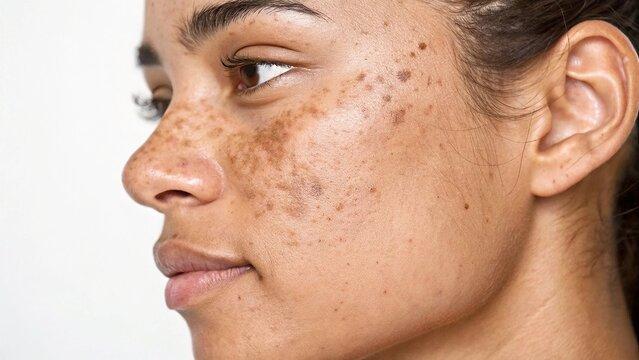
Sun exposure is one of the most common causes of dark spots, uneven skin tone, and visible skin discoloration. In a sunny climate like Dubai, regular exposure to ultraviolet (UV) rays can contribute to excess melanin production, making existing pigmentation more noticeable and encouraging new spots to develop. Understanding the causes of sun-related discoloration can help you choose appropriate skincare and treatment options.
Skin Pigmentation in Dubai can appear as small brown spots, larger patches, or an overall uneven complexion. Although sun damage cannot always be reversed completely, a consistent skincare routine, daily sun protection, and suitable professional treatments may help improve the appearance of affected skin.
What Causes Sun-Induced Skin Pigmentation in Dubai?
Melanin is the natural pigment that gives skin its colour. When the skin is exposed to ultraviolet radiation, it produces more melanin as part of its protective response. Repeated exposure can lead to uneven pigment distribution and visible dark spots.
Dubai's sunny environment makes sun protection particularly important throughout the year. Outdoor activities, driving, walking, and spending time near reflective surfaces can contribute to cumulative UV exposure. Visible light may also worsen certain pigmentation conditions, particularly in people prone to melasma.
Common Signs of Sun Damage
Sun-related pigmentation may appear in different forms depending on your skin type, age, and exposure history. Flat brown spots commonly develop on the face, hands, shoulders, and other exposed areas. Some people notice uneven colouring across their cheeks or forehead, while others experience a gradual loss of brightness.
New, changing, irregular, or unusual dark spots should not automatically be assumed to be pigmentation. A qualified healthcare professional should assess concerning lesions before cosmetic treatment is considered.
Effective Ways to Manage Skin Pigmentation in Dubai
The most appropriate approach depends on the type of pigmentation, its depth, your skin sensitivity, and whether other skin conditions are present. Combining preventive care with targeted treatment can help improve skin appearance while reducing the likelihood of new spots.
1. Apply Broad-Spectrum Sunscreen Daily
Daily sun protection is a key part of managing hyperpigmentation. Choose a broad-spectrum sunscreen with SPF 30 or higher, preferably SPF 50 for regular outdoor exposure. Apply it generously to exposed skin and reapply approximately every two hours outdoors, as well as after swimming or heavy sweating.
For melasma or persistent facial discoloration, a tinted sunscreen containing iron oxides may offer additional protection against visible light. Wearing a wide-brimmed hat, seeking shade, and using protective clothing can further reduce UV exposure.
2. Use Vitamin C for Uneven Skin Tone
Vitamin C is an antioxidant used in skincare products to help improve the appearance of uneven tone and support protection against environmental stress. When used consistently alongside sunscreen, it may help make some dark spots less noticeable.
Introduce vitamin C gradually, especially if you have sensitive skin. Choose a formulation that suits your skin type and discontinue use if persistent irritation occurs, as inflammation can worsen pigmentation in some individuals.
3. Consider Niacinamide and Azelaic Acid
Niacinamide may support the skin barrier and help improve the appearance of uneven skin tone. Azelaic acid can also be useful for certain forms of hyperpigmentation, including dark marks left after acne.
These ingredients may be suitable for some people who want a gradual approach to managing discoloration. Start with one active ingredient at a time and avoid combining several strong products at once, particularly if your skin is sensitive.
4. Explore Professional Pigmentation Treatments
When topical skincare does not provide enough improvement, a professional assessment can help identify appropriate treatment options. Depending on the diagnosis, options may include chemical peels, selected laser procedures, or intense pulsed light (IPL).
Each treatment works differently, and not every procedure is suitable for every skin tone or pigmentation type. Some energy-based treatments can trigger burns, irritation, or post-inflammatory hyperpigmentation, particularly in darker skin tones when settings are unsuitable. A qualified professional should assess the risks, expected benefits, and recovery requirements before treatment.
Is Laser Treatment Effective for Sun Damage?
Laser treatment may improve certain sunspots and forms of pigmentation by targeting pigment within the skin. However, results depend on the device used, the depth of discoloration, and the individual's skin characteristics.
Who May Be Suitable for Laser Treatment?
People with clearly diagnosed sunspots may be considered for selected laser procedures after a skin assessment. Those with melasma or a history of pigmentation following irritation require additional caution because heat and inflammation may worsen discoloration.
Treatment should be selected according to the condition rather than simply the colour or location of the spot. A consultation should also cover possible side effects, downtime, the number of sessions that may be required, and the importance of continued sun protection.
How to Prevent Sun Damage and Dark Spots
Prevention plays a major role in maintaining a more even complexion. Along with sunscreen, limit prolonged direct exposure during periods of intense sunlight and use shade whenever possible. Protective clothing and sunglasses can also help reduce exposure to the face and other visible areas.
Maintain a gentle skincare routine with a mild cleanser and moisturiser. Avoid harsh scrubs, excessive exfoliation, and products that cause burning or peeling. Irritation can damage the skin barrier and contribute to additional dark marks, especially in pigmentation-prone skin.
If you use retinoids or exfoliating acids, introduce them gradually and follow product instructions. These ingredients may help with some forms of discoloration, but they can increase irritation when used too frequently or combined without care.
How Long Does It Take to See Improvement?
Pigmentation usually fades gradually rather than disappearing overnight. Mild surface discoloration may begin to improve after several weeks of consistent care, while more persistent or deeper pigmentation can take several months or longer.
The timeline depends on the cause, skin type, chosen treatment, and ongoing sun exposure. Some conditions, including melasma, may recur even after improvement. Maintaining realistic expectations and following a consistent preventive routine can help support longer-lasting results.
When Should You Seek Professional Advice?
Consider professional assessment if pigmentation persists despite regular skincare, spreads, returns frequently, or affects your confidence. An assessment is particularly important before using strong lightening products or undergoing a cosmetic procedure.
Seek prompt medical evaluation for a spot that changes in size, shape, or colour, develops irregular borders, bleeds, or becomes persistently itchy or painful. Such changes require evaluation rather than cosmetic treatment.
Conclusion
Managing sun-related discoloration requires a combination of daily sun protection, appropriate skincare ingredients, and carefully selected treatment options. For people experiencing Skin Pigmentation in Dubai, reducing UV exposure is essential for preventing further dark spots and supporting improvements in uneven skin tone. Results vary according to the cause and severity of pigmentation, so choosing the right approach begins with a proper assessment. TAJMEELS CLINIC can be considered as a point of contact to discuss suitable pigmentation care options and understand the potential benefits and limitations of available treatments.
For More Details, Contact Us Through:
WhatsApp: +971 56 203 8751
Phone: +971 4 373 9000
Social Media:

 English
 Arabic
 French
 Spanish
 Portuguese
 Deutsch
 Turkish
 Italiano
 Russian
 Romaian
 Portuguese (Brazil)
 Greek
