

Are winter landscape photography tours available during a Patagonia Travel Package?
INTRODUCTION
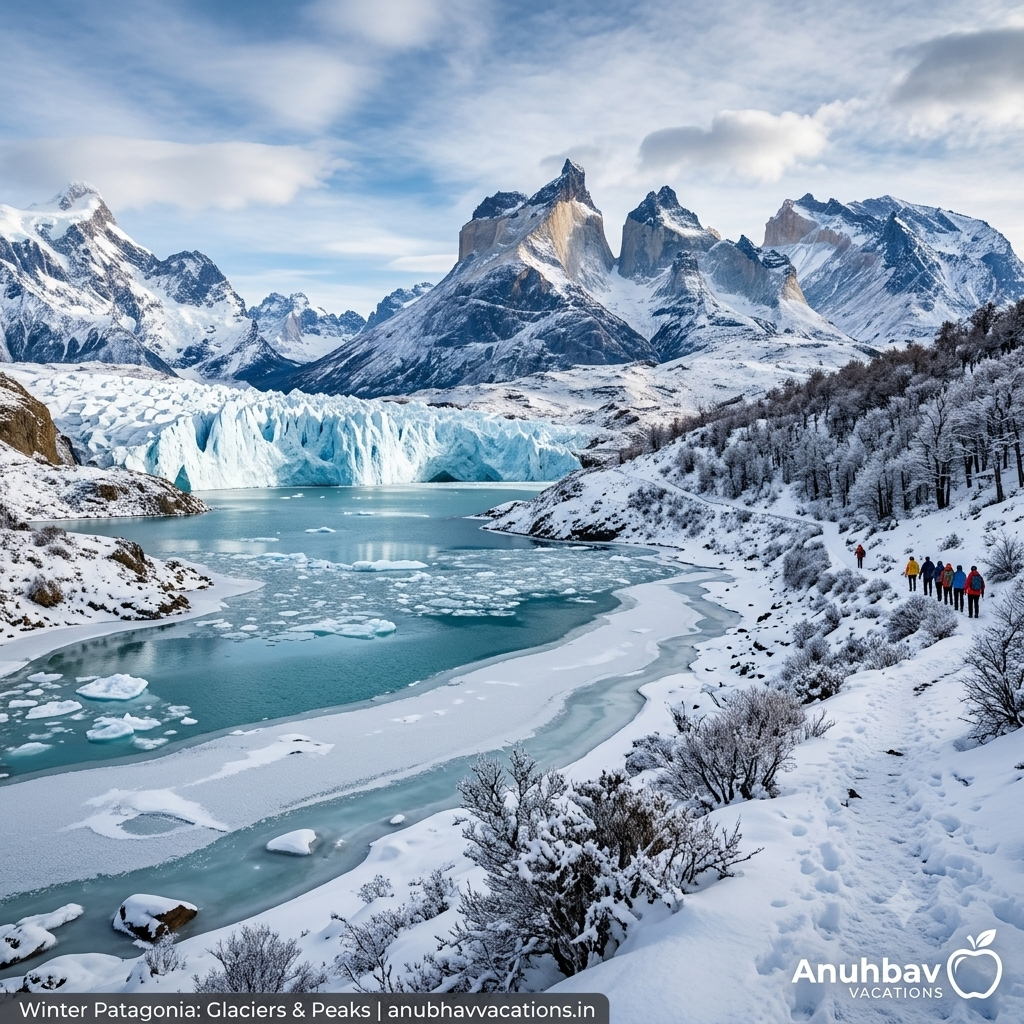
Patagonia is one of the most captivating destinations for photographers who want to capture dramatic mountains, icy lakes, snow-covered forests, and vast wilderness landscapes. During winter, the region takes on a different character, with shorter daylight hours, crisp air, snow-dusted peaks, and atmospheric skies creating excellent opportunities for landscape photography. A Patagonia Travel Package can include winter photography excursions, guided scenic drives, visits to accessible viewpoints, and carefully planned outdoor sessions, depending on the destination and seasonal conditions. Whether you are an experienced photographer or simply enjoy capturing memorable travel moments, winter can offer a distinctive perspective on Argentine and Chilean Patagonia.
Why Is Patagonia Special for Winter Landscape Photography?
Patagonia stretches across southern Argentina and Chile, covering an extensive region of mountains, glaciers, forests, lakes, fjords, and open plains. Its varied landscapes provide photographers with many subjects to explore, from towering granite peaks to delicate frost patterns and dramatic cloud formations.
Winter generally runs from June through August in the Southern Hemisphere. During these months, snow can transform the scenery, particularly around the Andes and higher-altitude destinations. The low position of the sun can create long shadows, subtle colours, and soft light that adds depth to landscape photographs.
Photographers may also encounter quieter trails and viewpoints than during peak summer periods. However, winter does not guarantee snow at every location. Conditions differ across Patagonia, and lower elevations may experience rain, strong winds, or mixed weather rather than continuous snow cover.
A successful photography trip therefore depends on selecting the right locations, checking local forecasts, and allowing enough flexibility to take advantage of changing conditions.
Which Destinations Are Best for Winter Photography?
Several destinations in Patagonia offer rewarding photography opportunities during winter. The best choices depend on accessibility, snow conditions, available excursions, and the type of landscape you want to capture.
1. El Calafate and Perito Moreno Glacier
El Calafate, in Argentina's Santa Cruz Province, is a popular starting point for exploring the region's glaciers and surrounding landscapes.
The nearby Perito Moreno Glacier provides an impressive subject for photography, with its blue ice formations, towering ice walls, and surrounding mountains. Designated viewing platforms allow visitors to photograph the glacier from different angles without requiring a strenuous hike.
Winter can bring a quieter atmosphere to the area, although access and excursion schedules depend on conditions. Photographers should confirm whether boat trips, guided glacier activities, and park facilities are operating during their travel dates.
Useful subjects include glacier textures, reflections, mountain silhouettes, and the contrast between blue ice and winter skies.
2. El Chaltén and Mount Fitz Roy
El Chaltén is renowned for its dramatic mountain scenery, particularly the granite peaks of the Fitz Roy massif. Photographers are attracted to the area for its rugged silhouettes, valleys, lakes, and changing weather.
Winter photography can be rewarding when conditions allow views of snow-covered peaks and atmospheric cloud formations. However, some hiking trails may be icy, snow-covered, or inaccessible, and longer routes can require specialist preparation.
Travellers should not assume that summer hiking conditions remain available in winter. Shorter walks and accessible viewpoints may be more appropriate, depending on the weather and local advice.
For landscape photography, it is often worth allowing extra time at a location so you can respond to changing light rather than rushing between viewpoints.
3. Torres del Paine National Park
On the Chilean side of Patagonia, Torres del Paine National Park features striking granite towers, turquoise lakes, glaciers, forests, and expansive grasslands.
Winter can create beautiful contrasts between pale snow, dark rock, and the park's distinctive mountain formations. Lago Grey and selected accessible viewpoints may provide excellent subjects, depending on local conditions and excursion availability.
Some roads, trails, and services can operate differently during winter. Travellers should check park notices and confirm the availability of transport and guided excursions before finalising their itinerary.
A guided photography outing can be particularly useful in this landscape because experienced local professionals can help identify safe viewpoints and adjust the route to changing weather.
4. Ushuaia and Tierra del Fuego
Ushuaia, in southern Argentina, offers access to mountain scenery, forests, coastal landscapes, and the Beagle Channel. Winter brings opportunities to photograph snowy woodland, misty mountain slopes, and landscapes around Tierra del Fuego National Park.
The region also offers winter sports, including skiing in suitable areas. However, a skiing excursion is different from a dedicated landscape photography tour, so travellers should check whether photography stops and sufficient shooting time are included.
Ushuaia can be a useful addition for travellers who want to combine winter scenery with a southern coastal setting.
What Activities Can a Patagonia Travel Package Include for Photographers?
Winter photography trips can combine guided excursions with flexible periods for capturing landscapes. The specific activities depend on the itinerary and local operating conditions.
Guided Scenic Drives
Scenic drives provide access to multiple viewpoints without requiring long hikes. Depending on the destination, a guide may stop at mountain overlooks, lakeshores, forest edges, or other accessible locations.
These excursions can be useful when daylight is limited or when snow and ice make walking more difficult. Travellers should confirm how much time is allocated for photography stops and whether the vehicle can access the intended locations safely.
Sunrise and Sunset Photography
The low winter sun can create dramatic colours and long shadows across mountain peaks and open landscapes. Sunrise and sunset sessions may be arranged around accessible viewpoints, subject to weather and transport schedules.
Because winter daylight hours are shorter, photographers should plan their day carefully. Sunrise times can be early, while sunset may occur before the end of the usual sightseeing day.
A flexible itinerary gives photographers more opportunities to work with changing light rather than spending too much time travelling between distant locations.
Glacier and Lake Photography
Glaciers, lakes, and rivers offer contrasting textures and colours. Photographers may capture ice formations, mountain reflections, snow-covered shorelines, and the movement of water against a dramatic landscape.
Boat excursions may operate in selected areas, but availability depends on weather, water conditions, and the season. Some activities may be suspended during winter.
Visitors should follow all safety instructions and avoid walking onto glaciers, frozen surfaces, or restricted terrain without authorised guidance and appropriate equipment.
Forest and Wildlife Photography
Patagonian forests can provide excellent subjects, particularly where native trees contrast with snow or mist. Wildlife may also be visible in selected locations, although sightings depend on the destination and season.
Travellers should use designated routes, avoid disturbing animals, and respect restrictions in protected areas. Winter photography should always prioritise safety and environmental responsibility.
How to Choose Patagonia Tours for Winter Photography
Not every sightseeing trip is designed around photography. Standard tours may spend only a short time at each viewpoint, whereas photography-focused excursions usually allow more time to compose images and respond to changes in light.
When comparing Patagonia Tours, consider the following factors:
- Photography time: Check whether the itinerary includes extended stops for sunrise, sunset, or changing weather.
- Guide experience: Ask whether guides have experience with winter conditions and landscape photography.
- Transport: Confirm whether vehicles are appropriate for the planned routes and seasonal road conditions.
- Group size: Smaller groups may allow more flexibility when choosing viewpoints and managing photography equipment.
- Physical difficulty: Review walking distances, elevation changes, and the possibility of icy or uneven terrain.
- Accommodation: Staying close to key photography locations can reduce travel time and make early starts easier.
- Weather alternatives: Ask whether the operator can adjust the itinerary when snow, wind, or poor visibility affects the original plan.
A carefully selected photography tour should balance outdoor shooting time with realistic travel arrangements and opportunities to rest in warm accommodation.
Essential Photography Equipment for a Patagonian Winter
Winter photography requires preparation for both cold conditions and changing weather. Batteries can lose charge more quickly in low temperatures, and moisture may affect camera equipment when moving between cold outdoor environments and warm interiors.
Consider packing the following items:
Camera and lenses: A wide-angle lens is useful for mountains, glaciers, and expansive scenery. A telephoto lens can help capture distant peaks and wildlife.
Tripod: A sturdy tripod can be useful for low-light scenes, but it should be suitable for windy conditions and manageable to carry.
Spare batteries: Keep additional batteries in a warm pocket and carry them in a protective case.
Lens cloths and protection: Bring a microfibre cloth, lens protection, and suitable weather covers to manage snow, rain, and moisture.
Warm clothing: Thermal layers, insulated jackets, waterproof trousers, gloves, and a warm hat can make outdoor photography more comfortable.
Waterproof bags: Use a weather-resistant backpack or protective covers for cameras, lenses, and accessories.
Memory cards: Carry sufficient storage so you can photograph without frequently changing cards outdoors in cold weather.
A remote shutter release and a headlamp may also be helpful for certain low-light sessions. Before departure, check the operator's equipment recommendations and any luggage restrictions.
What Is the Best Time for Winter Landscape Photography in Patagonia?
June, July, and August are the main winter months in Patagonia. Each month can offer different conditions, but no particular period guarantees fresh snow, clear skies, or accessible trails.
June may offer the beginning of the winter landscape in many areas, while July and August can bring colder temperatures and more significant snow at higher elevations. The actual experience varies between Argentine and Chilean Patagonia, and conditions can change rapidly.
Winter daylight hours are shorter than in summer, so photographers have less time to travel between locations and capture outdoor scenes. At the same time, the low sun can provide attractive lighting for longer periods around the middle of the day.
Travellers should check local forecasts, road conditions, national park announcements, and seasonal operating schedules before each excursion. A flexible schedule is particularly valuable because a change in weather can transform a planned photography session.
Are Patagonia Holiday Packages Suitable for Beginner Photographers?
Yes. Beginners can enjoy winter landscape photography without having advanced camera equipment or technical expertise. A suitable trip can provide opportunities to learn about composition, light, perspective, and the relationship between foreground and background.
When comparing Patagonia Holiday Packages, beginners should look for accessible viewpoints, manageable walking distances, and guides who can explain photography basics if this service is offered.
A smartphone can capture excellent travel photographs in suitable conditions, while a dedicated camera offers greater flexibility for exposure, lenses, and low-light scenes. The most important factors are understanding the light, choosing a clear subject, and giving yourself enough time to compose the photograph.
Beginners should also avoid overloading their itinerary with too many destinations. Spending more time in one area can provide better opportunities to understand the landscape and photograph it under different conditions.
Safety Tips for Winter Photography Excursions
Patagonia's winter scenery can be beautiful, but cold temperatures, strong winds, snow, and ice require careful preparation.
Follow these practical precautions:
- Check weather and road conditions before leaving your accommodation.
- Wear waterproof, insulated footwear with good grip.
- Dress in layers and carry extra gloves and warm clothing.
- Follow marked paths and local guidance around glaciers, lakes, and mountain viewpoints.
- Avoid approaching exposed edges or stepping onto frozen water.
- Keep your camera equipment protected from moisture and sudden temperature changes.
- Allow extra time for driving and walking in winter conditions.
Never continue towards a viewpoint simply to capture a photograph if conditions become unsafe. A responsible guide may change the route or cancel an excursion when the weather makes it unsuitable.
Conclusion
Winter landscape photography tours can offer a memorable way to experience Patagonia's snowy mountains, glaciers, lakes, forests, and dramatic skies. The best results come from selecting suitable destinations, allowing time for changing light, and preparing for cold weather and seasonal travel limitations. Whether you are a beginner or an experienced photographer, a well-planned itinerary can balance scenic excursions with practical safety arrangements. By considering the season, transport, guide expertise, and accommodation carefully, Anubhav Vacations can help travellers plan a rewarding Patagonia photography holiday.
Frequently Asked Questions
1. Are winter landscape photography tours available during a Patagonia Travel Package?
Yes. A Patagonia Travel Package can include guided scenic drives, photography stops, accessible mountain viewpoints, glacier visits, and winter landscape excursions, depending on the itinerary, weather, and seasonal access.
2. Which destinations are best for winter landscape photography in Patagonia?
El Calafate, El Chaltén, Torres del Paine, and Ushuaia are popular options. The best destination depends on the desired scenery, road conditions, available excursions, and access to viewpoints during winter.
3. Do I need professional photography equipment for a Patagonia winter tour?
No. A smartphone or basic camera can be sufficient for travel photography. A wide-angle lens, spare batteries, a weather-resistant camera bag, and a tripod can be useful for more advanced landscape photography.
4. Is winter a good time to photograph Patagonia's mountains and glaciers?
Winter can provide snow-covered scenery, low-angle sunlight, and dramatic contrasts. However, weather, visibility, and access vary, so photographers should keep their schedules flexible and follow local safety advice.
5. What clothing should I bring for a winter photography tour in Patagonia?
Bring thermal base layers, warm insulating clothing, a waterproof outer layer, insulated gloves, a warm hat, and waterproof footwear with good grip. Protect your camera equipment from moisture and cold temperatures.

 English
 Arabic
 French
 Spanish
 Portuguese
 Deutsch
 Turkish
 Dutch
 Italiano
 Romaian
 Portuguese (Brazil)
 Greek
