

Lid and Base Candle Box Guide: Fit, Styles, and Materials
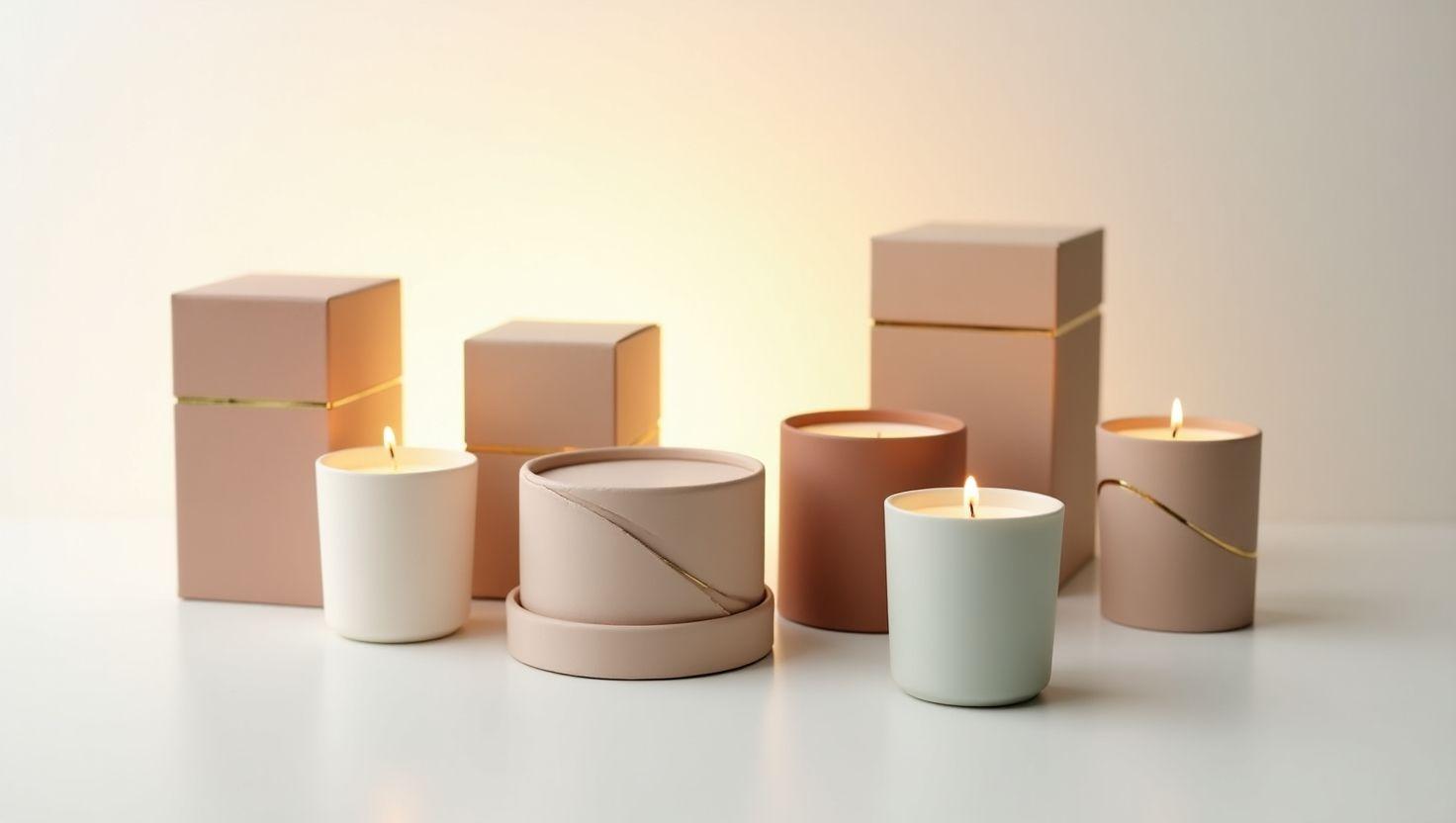
Base and Lid: A Closer Look at a Classic Box Structure for Candle Brands
Some packaging ideas last because they work. The lid-and-base box has been holding gifts, shoes, and jewelry for generations, and it suits candles beautifully. It is simple to open, easy to restack, and gives you two surfaces for design. If you are choosing a structure for a new collection, Custom Candle Boxes in this format are a dependable starting point. This guide explains how the structure works, what choices matter, and how to avoid common pitfalls.
How a Lid-and-Base Design Works
The structure has two parts: a base that holds the product and a lid that covers it. The lid lowers over the base, creating a tidy, gift-like presentation. Because the parts are separate, you can use different colors, papers, or finishes on each. The inside of the base can be lined or fitted with an insert, which keeps a jar stable. Many makers choose Two Piece Candle Boxes because the lift-off moment feels like unwrapping a present.
Market Context for Rigid Structures
Global Market Insights reports that the global rigid boxes market was valued at USD 31.2 billion in 2025 and is forecast to reach USD 48.9 billion by 2035. Rigid construction is the usual home of lid-and-base designs, so the growth hints that brands are still investing in structures with weight and presence. Other research firms use different definitions and report different totals, so treat the figures as a signal rather than a precise count.
Lid Styles Worth Considering
Full Telescoping Lids
A full lid covers the entire base and slides down over it. It looks tidy, and the lid edge hides the base. The fit should be snug enough to hold but loose enough to lift easily, which is where sampling matters.
Shoulder and Neck Designs
In a shoulder-neck box, the base has a raised neck that the lid rests on. The effect is elegant, with a visible gap or contrasting color band. It tends to cost more because of the extra construction, but it signals quality.
Add-On Closures
Ribbon pulls, magnetic strips, or elastic bands can secure a lid for travel. Choose closures that match your brand’s tone, and test them for durability.
Getting the Fit Between Parts Right
The fit between lid and base determines how the box feels. Too tight, and customers struggle. Too loose, and the lid slides off. Aim for a small clearance and verify with a physical sample using a filled candle. Check how the lid feels after repeated opening, since board and wrap can wear. Add a finger notch or ribbon tab if lifting is difficult. Custom Candle Boxes with well-fitted lids feel more premium than ones that rattle or stick.
Visual Design Across Two Surfaces
A lid gives you a large top panel, and the base offers sides and interior space. Use the lid for the brand and scent name, and save secondary messages for the base or an insert. A contrasting base color adds interest when the lid lifts.
Consistent patterns across scents make a range easy to read on a shelf, and varying only the lid color keeps production simple. Many shops find that Two Piece Candle Boxes let them mix and match lid and base colors without new tooling.
Material and Board Choices
Rigid chipboard wrapped in coated or textured paper is typical. Thicker board feels more luxurious but adds weight, so balance feel against shipping cost. Matte, soft-touch, and linen papers are popular. Foil, embossing, and spot gloss can highlight a logo, but one or two finishes are usually enough.
Interior inserts in paperboard or molded pulp keep jars stable. Request swatches and samples, since texture and color can vary from lot to lot.
Responsible Production Choices
Choose recycled or FSC-certified board, water-based inks, and paper-wrapped inserts, and avoid plastic laminates where possible. Right-sized boxes reduce waste and shipping costs. Be specific about your claims, and ask suppliers for documentation. Many suppliers of Custom Candle Boxes now offer recycled rigid board, so you may not need to trade polish for sustainability.
Planning, Sampling, and Delivery
Rigid boxes take longer than folding cartons because many steps are manual. Share jar dimensions, quantities, finishes, and deadlines, then request a dieline and a white sample. Test it with a filled candle, shake it, and check the lid fit. Review printed proofs in daylight, and compare quotes on tooling, minimums, and shipping.
Plan several weeks, and longer in peak season. Boxes ship bulky, so ask whether they can arrive flat or assembled, since freight and storage costs differ. Start with a modest first run of Custom Candle Boxes, then reorder with adjustments.
Frequently Asked Questions
Do lid-and-base boxes need a separate mailer?
Yes, for shipping. The box protects the product on a shelf or in a gift setting, but corners can scuff in transit. Place it inside a corrugated mailer with padding.
How tight should the lid fit?
Snug enough to stay on when the box is tilted, but loose enough to lift without a fight. Test samples to find the sweet spot. Many sellers find that Custom Candle Boxes with a small finger notch are easier to open.
Can the same box work for different jar sizes?
Only with inserts. A single outer size can fit several jars if the insert holds each one securely. Test every combination. Using Two Piece Candle Boxes with adjustable inserts can cut tooling costs.
Final Thought
Simple structures endure because they do their job. A base, a lid, and a snug fit can make a candle feel like a gift before it is even lit. Choose materials with weight, keep the design focused, and test every detail. Plan your timeline with care, and let customer feedback shape the next order. With thoughtful Custom Candle Boxes, a classic structure becomes your own.

 English
 Arabic
 French
 Spanish
 Portuguese
 Deutsch
 Turkish
 Italiano
 Russian
 Romaian
 Portuguese (Brazil)
 Greek
