

How to Care for Newly Installed Plants During Their First Year
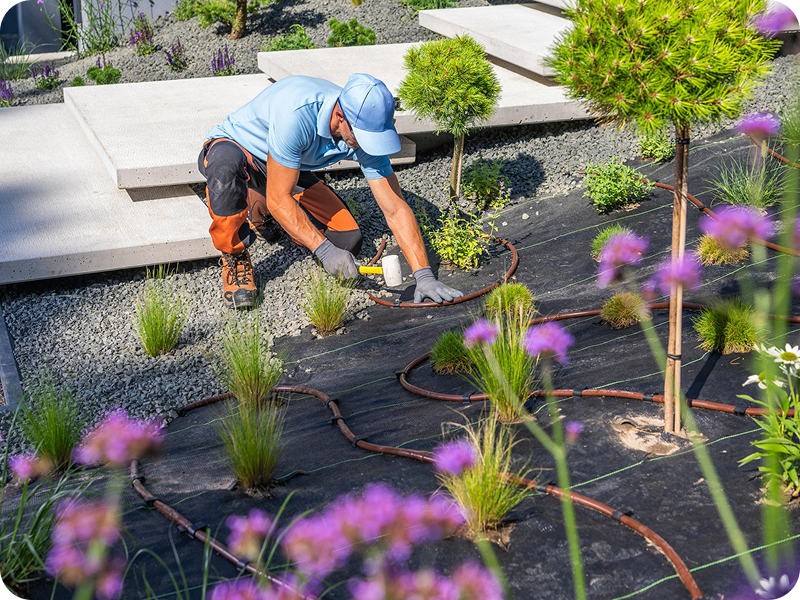
Newly installed plants need proper care during their first year to develop strong roots, adapt to their surroundings, and grow successfully. Whether you have added flowers, shrubs, or small trees to your garden, the right watering routine, soil care, and seasonal maintenance can make a significant difference. With consistent attention, you can help your plants establish themselves and create a healthy, beautiful outdoor space.
1. Water Plants According to Their Needs
Watering is one of the most important parts of caring for newly installed plants. Their roots may not yet be established enough to absorb moisture efficiently from the surrounding soil.
Water newly planted plants deeply so moisture reaches the root zone. However, avoid watering too frequently, as constantly wet soil can cause root problems. Check the soil before watering. If the top layer feels dry, it may be time to water, depending on the plant type and weather conditions.
New plants may need more frequent watering during hot weather and less during cool or rainy periods. Always adjust your routine according to soil drainage and the specific needs of each plant.
2. Apply Mulch Around the Plants
Mulching helps maintain soil moisture, regulate soil temperature, and reduce weed growth. These benefits are especially valuable during the first year, when plants are still developing their root systems.
Apply a layer of organic mulch, such as shredded bark, wood chips, or composted leaves, around the base of each plant. Keep the mulch a few inches away from stems and tree trunks to prevent excess moisture from collecting against them.
Refresh the mulch when necessary, but avoid piling it too deeply. A suitable mulch layer helps protect roots during temperature changes and reduces the need for frequent watering.
3. Check Soil Conditions and Drainage
Healthy soil provides the nutrients, air, and moisture plants need to grow. After installation, monitor the soil to make sure it drains properly and does not become excessively compacted.
If water collects around the plants for long periods, the area may have drainage problems. Poor drainage can reduce oxygen around the roots and increase the risk of root damage.
Avoid walking or placing heavy equipment over planting areas, as this can compact the soil. If plants show signs of poor growth, review the soil conditions before adding fertilizers or other treatments.
4. Avoid Excessive Fertilizing and Pruning
Newly installed plants need time to adjust to their new environment. Applying large amounts of fertilizer immediately after planting may stress roots rather than encourage healthy growth.
Use fertilizer only when appropriate for the plant type and soil conditions. A soil test can help determine whether additional nutrients are necessary.
Pruning should also be limited during the establishment period. Remove dead, damaged, or diseased branches when needed, but avoid unnecessary trimming. Allow plants to focus their energy on root development and new growth.
5. Monitor Plants for Pests and Diseases
Inspect your plants regularly for changes in leaf color, wilting, unusual spots, damaged stems, or signs of insects. Catching problems early can prevent them from spreading or causing serious damage.
Not every yellow leaf or drooping stem indicates disease. Plants may experience temporary stress while adjusting to their surroundings. Check watering, sunlight, soil moisture, and drainage before deciding on a treatment.
Choose pest and disease management methods suitable for the plant and the problem. Avoid applying chemicals unnecessarily, especially when the cause of the symptoms is unclear.
6. Adjust Care With the Seasons
Plant care requirements change throughout the year. During hot weather, monitor soil moisture more frequently and protect sensitive plants from excessive heat when necessary. In cooler months, reduce watering when plants are growing more slowly and rainfall or soil moisture is sufficient.
Before winter, remove diseased plant material, check mulch coverage, and protect vulnerable plants according to their needs. In spring, inspect new growth and look for signs of winter damage.
Seasonal adjustments help plants adapt to changing conditions without unnecessary stress.
7. Be Patient and Track Plant Growth
Some plants establish quickly, while others take several seasons to develop strong roots and visible growth. Keep an eye on new leaves, stems, and overall plant condition rather than expecting immediate results.
A simple garden journal can help you track watering, rainfall, seasonal changes, and any problems you notice. This makes it easier to identify patterns and adjust your care routine.
Conclusion
The first year after planting is an important period for building healthy roots and encouraging long-term growth. Consistent watering, proper mulching, suitable soil conditions, regular inspections, and seasonal maintenance all contribute to successful plant establishment.
If you are planning a new garden or need help preparing your landscape, professional site preparation and plant installation services can help create the right foundation for healthy plant growth. With proper installation and ongoing care, your garden can become a thriving and attractive outdoor space.

 English
 Arabic
 French
 Portuguese
 Deutsch
 Turkish
 Dutch
 Italiano
 Russian
 Romaian
 Portuguese (Brazil)
 Greek
