

Hydroseeding in North Texas: What to Expect from Start to Finish
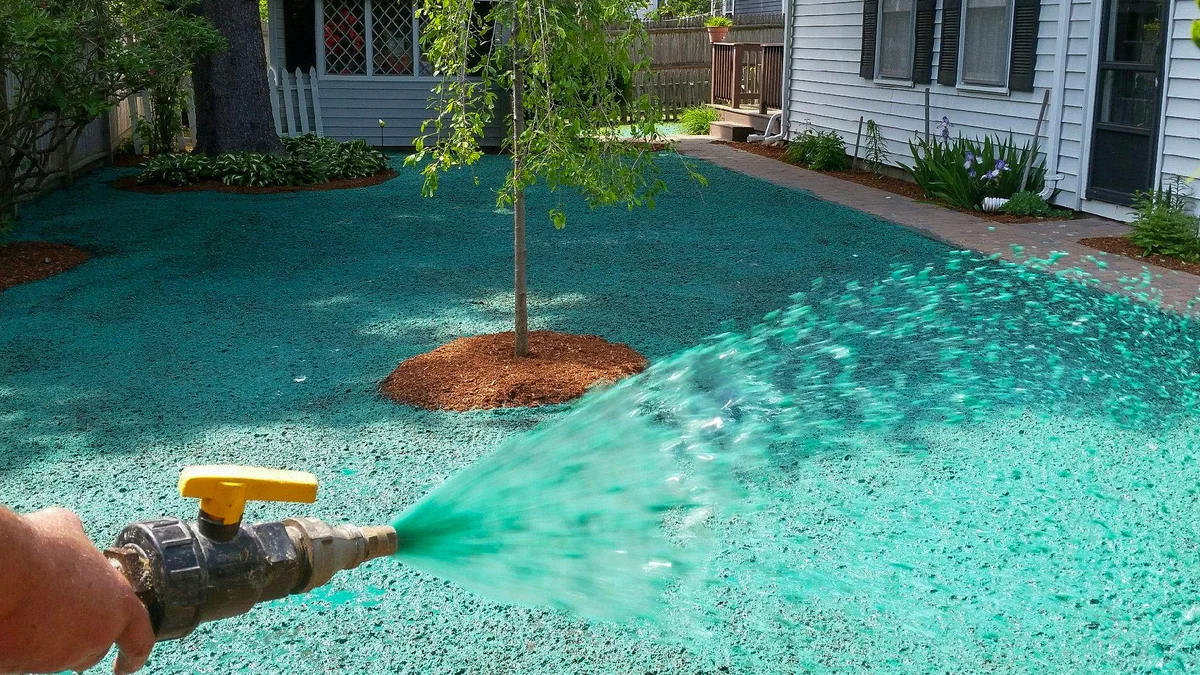
Establishing a healthy, green lawn in North Texas requires careful planning, suitable grass varieties, and proper soil preparation. The region's hot summers, changing rainfall patterns, and occasional heavy storms can make it challenging to grow grass, particularly on newly developed properties or large areas of exposed soil. Whether you are improving a residential lawn, landscaping a commercial property, or restoring ground after construction, choosing the right seeding method can make a meaningful difference. Hydroseeding North Texas properties offers a practical approach to establishing grass while helping retain moisture and protect the soil during the early stages of growth.
Hydroseeding combines grass seed, water, fiber mulch, and other suitable materials into a mixture that is sprayed over prepared ground using specialized equipment. This process allows contractors to cover large areas efficiently and distribute seed more consistently than many manual methods. However, successful results depend on more than the initial application. Soil conditions, seasonal timing, irrigation, seed selection, and ongoing maintenance all influence how quickly the grass develops. Understanding what happens from the first consultation to the final stages of lawn establishment can help property owners plan their projects with confidence.
What Is Hydroseeding and Why Is It Suitable for North Texas?
Hydroseeding is a grass establishment method that applies a water-based mixture directly to prepared soil. The mixture generally contains grass seed and fiber mulch, with fertilizer or a binding agent added when appropriate for the project. The mulch helps retain moisture around the seeds and can reduce the impact of rainfall on exposed ground. When applied correctly and supported by suitable watering, this method creates favorable conditions for germination and root development.
For North Texas property owners, hydroseeding can be useful for new residential lawns, commercial landscapes, large open spaces, and areas disturbed by construction. It is particularly practical when the project covers more ground than would be convenient to seed manually. Hydroseeding can also be used on certain slopes and graded areas, although steep terrain or locations with concentrated water flow may require additional erosion-control measures. A professional assessment helps determine whether the method suits the property's soil, drainage, and intended use.
Another advantage is the flexibility to choose grass varieties based on local growing conditions. Warm-season grasses are commonly considered for North Texas landscapes because many are adapted to hot summers, although the best choice depends on sunlight, soil, irrigation, and maintenance expectations. A contractor should evaluate the property's specific requirements rather than recommend the same seed mixture for every location. Selecting an appropriate grass variety from the beginning can help reduce future maintenance difficulties and support a healthier lawn.
What to Expect During Site Preparation
The first stage of a hydroseeding project is preparing the ground for successful grass growth. A contractor typically evaluates the soil, drainage, existing vegetation, and overall condition of the property before beginning work. Depending on the site, preparation may involve removing rocks and construction debris, controlling weeds, loosening compacted soil, and correcting uneven areas. Proper preparation helps improve seed-to-soil contact and gives emerging roots a better environment for development.
Soil conditions deserve particular attention in North Texas, where some properties contain heavy clay or compacted soil left behind by construction equipment. These conditions can affect water movement, drainage, and root development if they are not addressed appropriately. In some cases, adding suitable topsoil or soil amendments may improve the seedbed. Your contractor should explain which preparation steps are necessary and identify any drainage concerns before applying the hydroseed mixture.
Once the soil is ready, the contractor selects the grass seed and prepares the application mixture. Grass varieties should be chosen according to sunlight, soil conditions, intended use, and local growing patterns. The mixture is then sprayed evenly across the designated area using specialized equipment. Depending on the project's size and complexity, the application may be completed in a relatively short time, although preparation can take longer. Completing each stage carefully helps establish the foundation for healthy grass growth.
When Is the Best Time for Hydroseeding North Texas?
Timing is an important consideration when planning Hydroseeding North Texas projects. The region experiences hot summers, variable rainfall, and changing seasonal temperatures, all of which influence grass germination. The ideal planting window depends on the selected seed variety and the property's irrigation capabilities. Warm-season grasses such as Bermuda generally establish best when soil temperatures are consistently warm enough for germination, while suitable cool-season grasses are often planted during cooler fall conditions.
Spring can be a favorable period for establishing many warm-season grasses because increasing temperatures support growth before the most intense summer heat arrives. Early fall may also offer suitable conditions for certain grass varieties, particularly when temperatures become more moderate and the soil retains sufficient warmth. However, there is no single planting date that works for every property. Contractors should consider current soil temperatures, the weather forecast, rainfall expectations, and the time available for the grass to establish.
Summer hydroseeding may be possible, but North Texas heat can make consistent watering especially important. Newly germinating seeds can struggle if the seedbed dries out, while heavy rainfall can wash material away from vulnerable areas. Winter conditions may also delay the establishment of warm-season grasses when temperatures are too low. A professional contractor can recommend a suitable schedule based on the grass type and site conditions rather than relying on a fixed calendar. Planning around favorable growing conditions can help reduce the risk of poor germination and unnecessary reseeding.
How Long Does Hydroseeding Take to Grow?
After application, the first visible signs of growth may appear within one to several weeks, depending on the grass variety, temperature, soil conditions, and watering routine. Some grasses germinate relatively quickly under favorable conditions, while others take longer to emerge. Seeing the first green shoots is an encouraging sign, but it does not mean the lawn is fully established. The young plants still need time to develop roots and spread across the seeded area.
During the first few weeks, consistent moisture is one of the most important factors affecting growth. The soil should remain appropriately moist without becoming waterlogged. Property owners should follow the watering schedule recommended by their contractor and adjust it according to rainfall and changing weather conditions. Too little water can interrupt germination, while excessive irrigation may create runoff, expose seeds, or contribute to uneven growth. Monitoring the seedbed regularly helps identify problems before they affect larger sections of the lawn.
A lawn may require several weeks or longer to develop substantial coverage, and full establishment can take considerably more time depending on the grass type and growing conditions. Avoid heavy foot traffic and equipment use while the grass is vulnerable. Mowing should begin only when the grass has reached a suitable height and the ground can support the mower without damage. If some areas remain thin after the recommended establishment period, a contractor can assess whether additional watering, soil improvements, or targeted reseeding is necessary.
How to Choose a Reliable Hydroseeding Company Near Me
Searching for a hydroseeding company near me is a useful starting point when comparing local service providers. However, choosing the right contractor requires more than finding a company that operates nearby. Look for a provider with experience in North Texas growing conditions, suitable hydroseeding equipment, and knowledge of soil preparation and erosion control. Experience with projects similar in size to yours is particularly valuable if you are establishing grass across a large residential property, commercial development, or construction site.
Before requesting an estimate, identify the areas that need seeding and consider any known drainage or soil problems. Ask the contractor which seed varieties are appropriate, what preparation work is included, and how the application will be adjusted for slopes or shaded sections. A detailed estimate should explain the materials, labor, site preparation, and any additional services that may affect the final cost. Comparing written proposals helps you understand the differences between contractors and avoid unexpected expenses.
It is also important to discuss maintenance responsibilities before the project begins. Ask for clear watering instructions, an expected germination timeframe, and guidance on when mowing or regular use can resume. You should also clarify whether follow-up inspections or reseeding assistance are available if certain areas fail to establish. A dependable contractor will explain the limitations of hydroseeding, provide realistic expectations, and help you understand what is required to maintain the new lawn. These details can make the process easier to manage and protect your investment.
Maintaining Your New Lawn for Long-Term Results
Once the hydroseeding application is complete, consistent maintenance helps the grass develop into a healthy lawn. During the early stages, follow the recommended watering schedule and check the seedbed for dry patches or signs of runoff. Keep unnecessary foot traffic away from newly seeded areas, particularly where the soil is soft or the grass has only recently emerged. If heavy rainfall occurs, inspect the property for displaced mulch, exposed soil, or areas that may require attention.
As the grass becomes established, watering can gradually be adjusted to encourage deeper root development. The appropriate schedule depends on the grass variety, soil characteristics, weather, and any local watering restrictions. Mowing should begin when the grass reaches a suitable height, using sharp blades and avoiding excessive removal of the grass at one time. Fertilizer and weed-control products should be used carefully and according to appropriate recommendations, since young grass can be sensitive to certain treatments.
Long-term maintenance may include seasonal fertilization, weed management, irrigation adjustments, and occasional reseeding. Addressing thin patches early can help prevent larger areas from becoming bare. For commercial properties, incorporating these tasks into a regular landscape maintenance plan can protect the appearance and functionality of the grounds. A properly maintained hydroseeded lawn can provide lasting value, although the results depend on continued care and the suitability of the original seed selection.
Conclusion
Hydroseeding North Texas properties can be an efficient way to establish grass across residential lawns, commercial landscapes, and newly developed sites. The process combines seed, water, and mulch to support germination while helping protect the soil surface. From preparing the ground to selecting suitable grass varieties and maintaining consistent moisture, every stage contributes to the success of the project. Understanding these steps helps property owners set realistic expectations and make informed landscaping decisions.
The most important factors are proper soil preparation, appropriate seasonal timing, suitable seed selection, and reliable aftercare. North Texas weather can create challenges, particularly during extreme heat or heavy rainfall, so a carefully planned application schedule is essential. Working with an experienced contractor can help you address local soil conditions, develop a practical watering plan, and reduce the risk of avoidable problems.
If you are considering a hydroseeding company near me, compare experience, project estimates, materials, and maintenance guidance before making your decision. Ask questions about the complete process and ensure you understand your responsibilities after application. With suitable planning and consistent care, hydroseeding can help establish an attractive, functional lawn that enhances your property's appearance and supports its long-term landscaping goals.

 English
 Arabic
 French
 Spanish
 Portuguese
 Deutsch
 Dutch
 Italiano
 Russian
 Romaian
 Portuguese (Brazil)
 Greek
