

Insulation Nation: How an Attic Insulation Contractor Can Help Improve Your Home?
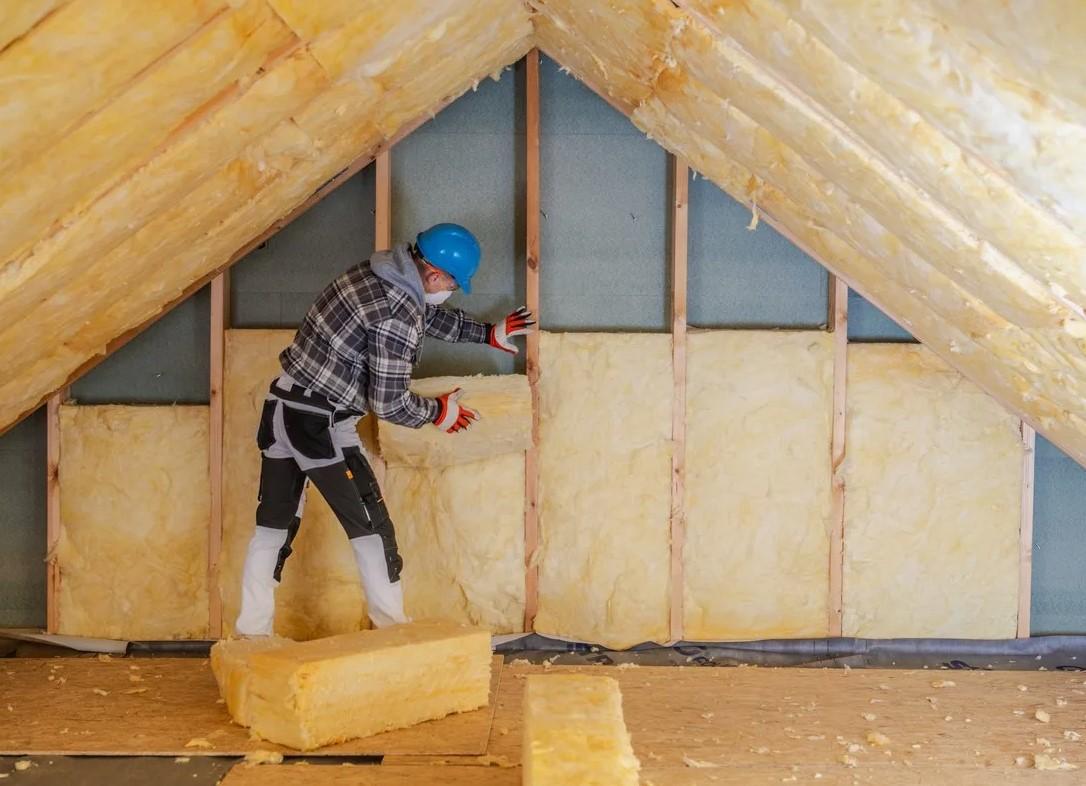
A home's energy performance depends on more than its heating and cooling equipment. The roof, attic, walls, and other parts of the building all influence how indoor temperatures respond to changing weather. When an attic has insufficient insulation or poorly sealed openings, homeowners may experience cold rooms during winter and uncomfortable heat during summer. Insulation Nation helps homeowners in Denver, Colorado, and nearby communities explore practical ways to improve home insulation and create a more comfortable indoor environment.
Hiring a qualified Attic Insulation Contractor can help homeowners understand the condition of their attic and identify the improvements that make the most sense for their property. From checking existing insulation to evaluating air leakage and ventilation, a professional assessment provides a clearer picture of the work required. Rather than relying on guesswork, homeowners can make informed decisions based on the structure of their house, its current insulation levels, and their comfort concerns.
Why the Attic Deserves Special Attention?
The attic forms an important boundary between the living space and the roof. During colder months, heat can escape through an inadequately insulated attic floor, increasing the demand on a home's heating system. In summer, heat entering through the roof can contribute to higher attic temperatures and affect the rooms below, especially when insulation and air sealing are insufficient.
These problems can develop gradually, making them difficult to recognize until indoor comfort becomes noticeably inconsistent. Homeowners may find that upstairs rooms are harder to cool, heating equipment operates frequently, or certain areas remain colder than others. An experienced Attic Insulation Contractor can evaluate the attic's existing condition and determine whether insulation improvements, air sealing, or other repairs may help address these concerns.
Signs That Your Attic May Need an Upgrade
Several everyday issues can indicate that an attic deserves closer inspection. Temperature differences between floors, persistent drafts, and difficulty maintaining comfortable indoor conditions may point to insulation gaps or air leakage. Older houses may also contain insulation that has settled, become displaced, or failed to cover the entire attic floor adequately.
These symptoms can have multiple causes, so they should not automatically be attributed to insulation alone. Roof leaks, ventilation problems, aging windows, and heating system issues may also contribute. A professional inspection helps separate these possibilities and identify the appropriate next steps. Consulting an Attic Insulation Contractor allows homeowners to understand the property's condition before committing to a particular upgrade.
Choosing Insulation Materials for Your Home
Different insulation materials serve different purposes, and selecting the right one depends on the attic's layout and construction. Loose-fill fiberglass and cellulose are commonly used for suitable attic applications because they can cover large areas and fit around many framing details. Fiberglass batts may also work well where the space allows them to be installed correctly without gaps or compression.
An insulation assessment should consider R-value, material condition, installation requirements, and the desired level of thermal protection. R-value measures resistance to heat flow, and the appropriate level depends on climate, existing insulation, and building characteristics. A knowledgeable Attic Insulation Contractor can explain the advantages of suitable products and help homeowners compare options based on performance, cost, and installation conditions.
The Connection Between Insulation and Air Sealing
Even a well-insulated attic may perform poorly if unwanted air moves freely through gaps in the ceiling. Openings around plumbing pipes, electrical wiring, attic hatches, and other penetrations can allow conditioned air to escape. During winter, this may contribute to heat loss, while summer air leakage can make temperature control more difficult.
Air sealing addresses appropriate openings using materials and methods suitable for the building. The process requires attention to safety, electrical components, combustion appliances, and required ventilation pathways. When planned alongside insulation work, air sealing can improve the overall performance of the home's thermal envelope. A professional Attic Insulation Contractor can identify where these measures are appropriate and explain how they complement one another.
Understanding Attic Ventilation and Moisture
Insulation should never be considered separately from the attic's moisture and ventilation conditions. Roof assemblies are designed differently, and some require specific ventilation pathways to help manage moisture and temperature. Blocking intended ventilation openings with insulation can interfere with the design and may contribute to condensation or other building problems.
Before an upgrade begins, the attic should be checked for visible moisture, roof leaks, damaged materials, and ventilation concerns. Any underlying water intrusion should be addressed before new insulation is installed. The correct approach depends on the property's construction and existing conditions. By assessing these details, an Attic Insulation Contractor can help homeowners plan improvements that support thermal performance without overlooking important building requirements.
What to Expect During an Insulation Project?
A well-organized insulation project begins with an assessment of the attic's current condition. The contractor may examine insulation coverage, accessible framing, air leakage points, ventilation arrangements, and signs of moisture. These observations help determine which areas need attention and whether existing material can remain in place or requires removal or repair.
After the assessment, homeowners should receive a clear explanation of the proposed work. The estimate should outline the materials, installation method, expected scope, preparation requirements, and project cost. It is also useful to ask about cleanup, scheduling, and any applicable warranties. Working with a reliable Attic Insulation Contractor helps homeowners understand what they are paying for and what results they can reasonably expect from the project.
Preparing for Colorado's Changing Seasons
Denver and surrounding Colorado communities experience cold winters, warm summers, and substantial seasonal temperature changes. These conditions make it important for homeowners to consider how effectively their attics separate indoor living areas from outdoor weather. Suitable insulation can help slow heat transfer and support more consistent indoor temperatures throughout the year.
However, every home has different needs. Roof design, building age, insulation depth, air leakage, and moisture conditions all influence the best approach. Insulation Nation helps homeowners explore residential insulation improvements suited to their properties. Choosing an Attic Insulation Contractor familiar with residential insulation requirements can help ensure that recommendations reflect the building's actual condition rather than relying on a standard solution for every house.
Evaluating Quality, Cost, and Long-Term Value
The lowest estimate does not always represent the best value. Homeowners should compare the scope of work, proposed materials, preparation, installation standards, and the contractor's ability to explain the recommended improvements. A detailed proposal makes it easier to understand whether the work addresses the main problems or simply adds insulation without considering other factors.
Insulation upgrades can support better comfort and may reduce heating and cooling demand, but actual savings vary according to the home's original condition, energy prices, weather, and household habits. Homeowners should also ask whether current energy-efficiency rebates may apply. A dependable Attic Insulation Contractor should explain the expected benefits realistically and help property owners make decisions that fit their needs and budget.
Conclusion
A properly evaluated attic can make a meaningful difference to a home's comfort and energy performance. Insufficient insulation, air leaks, and moisture concerns can all affect how well the building handles seasonal temperature changes. Understanding these conditions before starting work helps homeowners select appropriate materials, prioritize necessary repairs, and avoid unnecessary expenses.
Insulation Nation provides residential insulation solutions for homeowners in Denver and surrounding Colorado communities. By focusing on the property's existing condition and recommending practical improvements, homeowners can take informed steps toward a more comfortable and energy-conscious home. Choosing a professional Attic Insulation Contractor is a valuable way to approach attic improvements with a clear plan, suitable materials, and attention to the home's long-term performance.

 English
 Arabic
 French
 Spanish
 Portuguese
 Deutsch
 Turkish
 Dutch
 Italiano
 Russian
 Romaian
 Portuguese (Brazil)
