

How Sports Physical Therapy Near Me Can Help Athletes Recover From Injuries, Build Strength, and Return to Play at Summit Physical Therapy
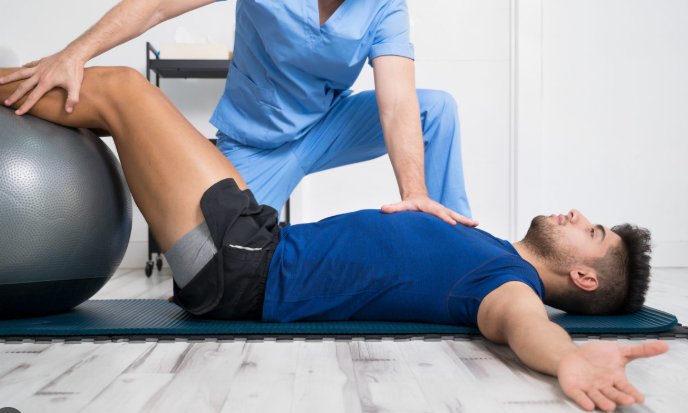
Sports and physical activities challenge your body in different ways. Running, jumping, lifting, changing direction, and repeating powerful movements require strength, coordination, balance, and flexibility. When an injury or movement limitation interrupts your routine, returning to your favorite sport can take time, patience, and an appropriate recovery plan.
Searching for sports physical therapy near me can help athletes and active individuals explore rehabilitation options after an injury or when physical limitations interfere with performance. Whether you participate in organized sports, train at the gym, or enjoy recreational activities, understanding your movement needs is an important part of making informed recovery decisions. Summit Physical Therapy provides an opportunity to discuss your physical concerns and rehabilitation goals.
Understanding Sports Injuries and Their Impact on Performance
Sports injuries can happen during competition, training, or ordinary recreational activity. A sudden change of direction may strain a muscle, repeated movements may contribute to overuse problems, and an awkward landing may affect a joint. Even a relatively minor injury can change how confidently you move.
Common athletic concerns include muscle strains, ankle sprains, knee discomfort, shoulder limitations, and problems associated with repetitive activity. Depending on the injury, you might notice swelling, reduced strength, stiffness, discomfort during movement, or difficulty performing familiar exercises.
An appropriate evaluation can help determine which physical limitations need attention and whether rehabilitation may be suitable. A licensed physical therapist may review your medical history, discuss how the injury occurred, and assess relevant movement patterns, strength, flexibility, balance, and functional ability.
When researching sports physical therapy near me, consider whether the provider understands your activity goals and takes the time to discuss the demands of your sport. A runner, for example, has different movement requirements from a basketball player or someone who participates in weight training.
Do not assume every injury can be managed through exercise alone. Severe pain, substantial swelling, visible deformity, sudden weakness, or an inability to bear weight may require prompt medical assessment. A professional evaluation can help identify appropriate next steps.
Creating a Recovery Plan Around Your Sport
Athletes have different goals depending on their sport, experience, training schedule, and current physical abilities. Some want to return to running comfortably, while others need to rebuild strength after an injury or improve their ability to perform sport-specific movements.
A useful recovery plan should reflect these individual priorities. It may consider the movements involved in your sport, your current limitations, and the physical demands you need to manage before returning to full participation.
During your initial discussion, be prepared to explain:
-
Your injury history: Describe when the problem began and whether it followed a specific incident.
-
Your sporting activities: Explain your usual training, competition schedule, and activity level.
-
Your current limitations: Identify movements that cause discomfort or feel difficult.
-
Your return-to-sport goals: Describe the activities you hope to resume and the level of performance you want to work toward.
These details can help guide conversations about appropriate rehabilitation. Your plan may also need to change as your strength, movement control, and tolerance for activity improve.
At Summit Physical Therapy, discussing your athletic goals and physical concerns can help clarify the areas you want to address. Ask questions about recommended exercises, activity modifications, and how progress may be evaluated.
Recovery should not be based on a fixed timeline alone. The appropriate pace depends on the injury, its severity, your health, and your response to treatment. Returning to sport too quickly may increase the risk of aggravating an injury.
Rebuilding Strength, Mobility, and Movement Control
Strength and mobility contribute to almost every athletic activity. Sprinting requires force production, jumping involves coordination and landing control, and throwing depends on the combined movement of the shoulder, trunk, and other body segments.
An injury may affect one or more of these abilities. You might feel weaker on one side, have difficulty moving a joint through its usual range, or notice that a familiar movement feels less controlled than before.
Depending on your assessment, rehabilitation may include strengthening exercises, mobility work, balance training, coordination activities, and progressive practice of functional movements. These approaches should be selected according to your condition and individual needs.
For example, an athlete recovering from an ankle injury may need to address balance and lower-body strength before progressing to demanding movements. Someone with shoulder limitations may require a different approach focused on appropriate mobility and strength.
When comparing sports physical therapy near me options, ask how exercise recommendations will reflect your injury and athletic goals. Exercises should have a clear purpose and progress at a level appropriate for your current abilities.
Summit Physical Therapy can be a starting point for discussing your movement limitations and recovery priorities. Communicate openly if an exercise causes unexpected pain or if your symptoms change between appointments.
Consistent rehabilitation can help you work toward improved physical function, but no specific result is guaranteed. Your progress should be evaluated according to your condition, response to activity, and professional recommendations.
Preparing Your Body for a Safer Return to Sport
Feeling less pain does not always mean your body is ready for every athletic demand. Returning to sport may require more than performing everyday movements comfortably. Depending on your activity, you may also need adequate strength, balance, coordination, endurance, and confidence.
A gradual return-to-activity plan can help you understand how to progress from basic movements toward more demanding tasks when appropriate. For example, a runner may need to build tolerance for walking and running before returning to faster sessions. An athlete who plays a court sport may need to work toward controlled changes of direction and jumping activities.
Your healthcare professional can help determine which activities are suitable for your stage of recovery. Progression should account for your injury, current abilities, and any medical restrictions.
Helpful questions to discuss before returning to sport include:
-
Which movements should I be able to perform comfortably?
-
How should I increase training intensity and duration?
-
Are there activities I should temporarily avoid?
-
What symptoms should prompt me to stop and seek guidance?
-
How will my readiness for more demanding activity be assessed?
These conversations can help you better understand the decisions involved in returning to training. They can also help you avoid relying solely on motivation or a competition date when judging readiness.
At Summit Physical Therapy, you can discuss the movements and physical demands associated with your sport as part of your rehabilitation goals. Follow professional guidance and avoid testing your limits through intense activity before you are ready.
Addressing Training Habits and Repetitive Strain
Not every athletic problem begins with a single incident. Repetitive movements, sudden increases in training volume, inadequate recovery, or changes in exercise technique may contribute to discomfort over time.
For example, a runner who increases weekly mileage too quickly may develop symptoms that affect training. A person who repeatedly performs overhead movements may notice shoulder discomfort, while frequent jumping can place substantial demands on the lower body.
When appropriate, rehabilitation discussions can include training patterns, movement technique, activity progression, and recovery habits. The goal is to identify factors that may be contributing to your limitations and consider practical adjustments.
Keep track of when symptoms occur, how long they last, and whether they change with different activities. This information may help your healthcare professional understand the problem and decide whether your current routine needs further evaluation.
Searching for sports physical therapy near me may be especially relevant when recurring discomfort begins to interfere with training or everyday movement. Persistent symptoms deserve attention rather than being dismissed as a normal part of athletic participation.
Summit Physical Therapy offers an opportunity to discuss physical concerns and the activities you want to continue. Be prepared to describe your training schedule, recent changes in activity, and any movements that consistently cause difficulty.
Appropriate recovery also matters. Rest, sleep, suitable nutrition, and sensible training progression can support general athletic well-being, although their role varies according to individual needs. Seek professional guidance when symptoms persist or worsen.
Monitoring Progress Throughout Rehabilitation
Athletic recovery often involves several stages, and progress may not be identical from one week to the next. You may first notice improvements in everyday movement, followed by gradual changes in strength, coordination, or tolerance for more demanding activities.
Tracking specific milestones can help you understand how your abilities are changing. Depending on your goals, these may include walking comfortably, performing prescribed exercises with better control, maintaining balance, or gradually tolerating an approved increase in activity.
Communication is important throughout the process. Tell your therapist about improvements, persistent limitations, and any new symptoms. Your feedback can help inform decisions about whether exercises need adjustment or further assessment is appropriate.
When evaluating sports physical therapy near me providers, consider whether they encourage questions and explain how progress will be reviewed. Clear communication can make it easier to understand your role in rehabilitation and the reasons behind recommended activity changes.
Avoid comparing your recovery with that of teammates or other athletes. Two people with similar injuries may have different medical histories, physical demands, and recovery needs. Your progress should be considered in relation to your own condition and appropriate professional guidance.
If pain returns, swelling increases, or a movement becomes unexpectedly difficult, do not simply push harder. Pause the activity when appropriate and seek advice from your healthcare professional about what to do next.
Choosing Support for Your Long-Term Athletic Goals
Choosing rehabilitation support involves more than finding a convenient location. It is important to understand how your injury will be evaluated, how treatment recommendations will be explained, and how your athletic goals will be considered.
Before starting care, ask about the assessment process, recommended exercises, activity restrictions, and how your progress may be reviewed. You can also explain the sport you participate in and the physical requirements that matter most to you.
Summit Physical Therapy provides an opportunity to discuss your movement concerns and recovery priorities. Sharing your symptoms, injury history, and goals can help support a more informed conversation about suitable next steps.
When choosing sports physical therapy near me, look for clear communication, individualized recommendations, and an approach that takes your concerns seriously. Be cautious of promises of guaranteed results or immediate return to competition because recovery varies between individuals.
Stay involved throughout your rehabilitation by following professional instructions, asking questions, and reporting changes in your symptoms. If your injury requires additional medical evaluation or care from another healthcare professional, follow the guidance provided.
Returning to sport is about more than getting back onto the field, court, track, or gym floor. It also involves understanding your physical abilities, rebuilding capacity appropriately, and making informed decisions about activity. With realistic goals and suitable professional guidance, you can work toward improved movement, greater confidence, and a more informed return to the activities you enjoy.

 English
 Arabic
 French
 Spanish
 Portuguese
 Deutsch
 Turkish
 Italiano
 Russian
 Romaian
 Portuguese (Brazil)
 Greek
