

How Digital Boat-Buying Tools Are Changing the Used-Vessel Market
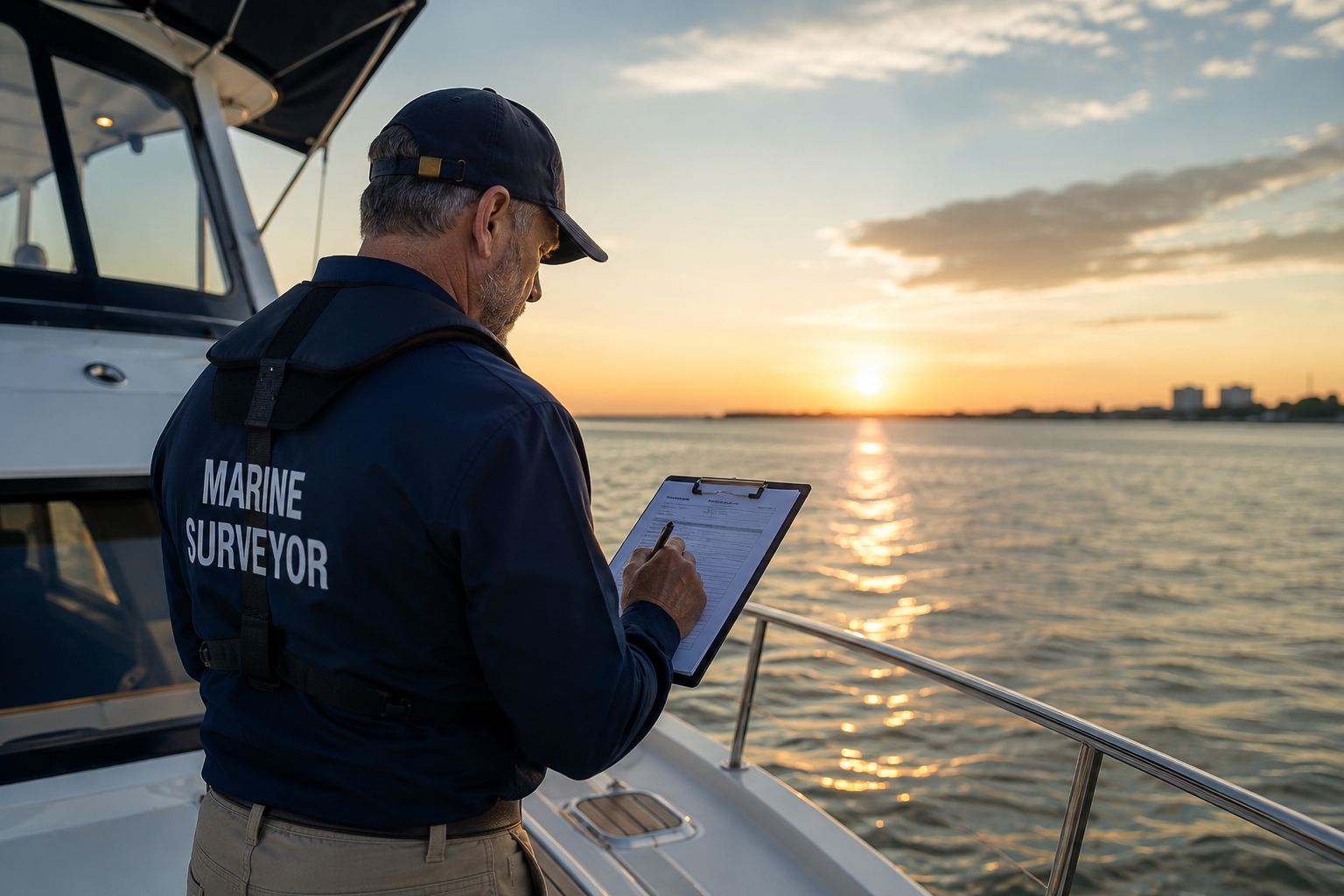
Buying a used boat once depended heavily on local listings, conversations with brokers, paper maintenance logs, and in-person inspections. Buyers often had to gather information from several sources before they could compare vessels or determine whether an asking price was reasonable. Digital tools have made parts of this process faster by allowing people to research boats, review available documentation, compare listings, and communicate with sellers before arranging a visit.
These changes are reshaping how buyers and sellers approach the used-vessel market. Online marketplaces provide wider access to listings, digital communication speeds up negotiations, and electronic documents can make maintenance histories easier to organize. However, convenient access to information does not automatically make that information complete or accurate.
Understanding what digital tools can and cannot establish helps buyers use them effectively while making informed decisions about a vessel's condition, history, and suitability.
Online Listings Make Comparisons Easier
Digital marketplaces allow buyers to browse boats across different regions without visiting each seller in person. Listings commonly include photographs, specifications, engine information, equipment details, and asking prices. These features make it easier to identify vessels that match a buyer's budget and intended use.
Buyers can compare similar models, review price differences, and narrow their options before arranging inspections. Search filters can also help users focus on specific boat types, lengths, engine configurations, or manufacturing years.
However, online listings usually represent a seller's description of the boat rather than an independent assessment of its condition. Photographs may not show difficult-to-access areas, and descriptions may leave out defects, previous repairs, or equipment that is no longer functional.
A listing that appears attractive online should therefore be treated as an initial source of information. Buyers can use it to develop questions for the seller, request additional photographs, and identify details that need verification before moving forward.
Comparing several listings is most useful when buyers consider differences in maintenance, equipment, location, and overall condition rather than focusing only on the asking price.
Digital Records Improve Access to Vessel History
Maintenance records and repair documents are important when evaluating a used boat. Traditionally, these records might be stored in folders, notebooks, or separate files held by previous owners and service providers. Digital storage makes it possible to organize invoices, service reports, photographs, and equipment information in one place.
Well-organized digital records can help buyers review a vessel's documented history more efficiently. They may show when maintenance was performed, which components were replaced, and whether particular repairs have occurred more than once. When records are available over several years, they can also provide a clearer timeline of ownership and upkeep.
Electronic documentation can be particularly useful when a buyer is comparing multiple boats or reviewing information before traveling to see a vessel. Sellers may be able to share relevant files in advance, allowing prospective buyers to identify missing information and prepare more specific questions.
Still, digital storage does not guarantee accuracy. A scanned invoice may confirm that a service was billed, but it does not necessarily establish the current condition of the component. Records can also be incomplete, outdated, or difficult to connect to the specific vessel.
Buyers should verify important details where possible and compare the documents with the boat's present condition. Digital records are most useful when they support, rather than replace, direct evaluation and appropriate testing.
Virtual Tours Help Buyers Narrow Their Options
Video calls, recorded walkthroughs, and interactive photographs allow prospective buyers to examine a boat remotely before arranging an in-person visit. Sellers can demonstrate the layout, show equipment, and provide closer views of areas that may be difficult to understand from standard listing photographs.
These tools can save time when buyers live far from the vessel or are considering several boats in different locations. A guided walkthrough can also help reveal questions that were not addressed in the original listing, such as the condition of storage compartments, visible corrosion, or the operation of selected onboard equipment.
Nevertheless, remote viewing has important limitations. Lighting, camera angles, video quality, and restricted access can make defects difficult to identify. A seller may not be able to show every area, and a video demonstration cannot reliably establish the condition of concealed structures or internal mechanical components.
Virtual tours should therefore be used to screen potential purchases, not as a substitute for a suitable physical inspection. If a boat remains a serious candidate, buyers should arrange an assessment appropriate to the vessel and the risks involved.
Digital Market Data Supports Better Price Comparisons
Online marketplaces provide access to a larger number of listings than many buyers could review through traditional local channels. This broader view can help buyers understand the range of asking prices for comparable boats and recognize when a listing appears unusually expensive or inexpensive.
Some platforms also offer historical listing information, valuation estimates, or tools that organize specifications and prices. These features can provide a useful starting point when evaluating a potential purchase.
However, an asking price is not necessarily the price a vessel eventually sells for. Listings may remain active for long periods, and final transaction details are not always publicly available. A boat's condition, location, equipment, and maintenance history may also explain price differences that are not obvious from a listing.
Automated estimates should be treated as general guidance rather than definitive appraisals. A model based mainly on year, length, and manufacturer may not adequately account for structural deterioration, engine condition, extensive upgrades, or unresolved damage.
Buyers can improve their comparisons by examining genuinely similar vessels and adjusting their expectations for differences in condition and ownership costs. Where a formal valuation is needed, the appropriate professional assessment should reflect the purpose and scope of the assignment.
Online Communication Speeds Up the Buying Process
Digital messaging, email, and document-sharing tools allow buyers, sellers, brokers, mechanics, and surveyors to exchange information more quickly. Instead of waiting for printed records or arranging multiple preliminary meetings, participants can often share questions, photographs, service invoices, and repair estimates electronically.
This can make the buying process more organized. Buyers can prepare a list of concerns, request missing information, and keep communications in one place. Sellers can respond to common questions before arranging a viewing, while service providers can review available details before determining whether further evaluation is needed.
A clear written record of discussions can also reduce misunderstandings about what has been disclosed or agreed upon. However, messages and informal statements should not be treated as substitutes for contractual documents, verified records, or specialist findings.
Buyers should confirm important terms in the appropriate written agreement and make sure any conditions relating to inspections, repairs, equipment, or delivery are clearly understood. Sensitive personal and financial information should also be shared only through appropriate channels.
Digital Tools Can Help Coordinate Inspections
Some digital platforms allow users to schedule appointments, exchange inspection documents, and track tasks associated with a boat purchase. Even without a dedicated application, a shared calendar and organized document folder can help buyers manage multiple steps.
A buyer might use these tools to coordinate a physical viewing, obtain engine service records, arrange a marine survey, request repair estimates, and track outstanding questions. This can be especially useful when the vessel is located in another city or several professionals are involved.
The quality of the decision still depends on the scope and reliability of the information gathered. A digital checklist can confirm that a task was scheduled, but it cannot establish that a particular component is sound. Similarly, an uploaded inspection report should be read carefully to understand what was examined, what limitations applied, and whether further testing was recommended.
Buyers should also allow enough time for specialist evaluations when the initial findings identify concerns. Digital coordination can make the process more efficient, but it should not encourage rushed decisions about expensive or safety-related defects.
Online Information Does Not Replace a Marine Survey
One of the biggest risks of digital boat buying is assuming that a large amount of online information provides a complete picture of a vessel. Detailed photographs, organized service records, seller videos, and automated valuation tools can all be helpful, but none necessarily establishes the current condition of the entire boat.
A marine survey can provide an independent assessment of accessible structural areas, onboard systems, equipment, and visible defects within the agreed scope. Depending on the assignment, additional evaluations may be appropriate for engines, electrical systems, or specific areas of concern.
The scope of a survey matters. A general condition survey does not automatically include every specialist test or a comprehensive internal examination of machinery. Buyers should understand what the assessment covers and follow up on significant recommendations.
A survey also has limitations. Concealed areas, inaccessible components, and defects requiring specialized testing may not be fully evaluated during a general inspection. The findings should be considered alongside available documentation, seller disclosures, and any additional professional advice needed.
Digital tools can help prepare for this process by making documents easier to share and questions easier to organize. They cannot eliminate the need to verify important information about a boat before committing to a purchase.
Protecting Against Misleading Listings and Digital Fraud
As more transactions begin online, buyers should remain alert to inaccurate listings, misleading photographs, impersonation, and suspicious payment requests. A boat may be advertised using incomplete information, outdated images, or specifications that do not match the actual vessel.
Buyers should confirm the seller's authority to offer the boat for sale, check relevant ownership and registration documentation, and verify the vessel's identity where appropriate. Requests for unusual deposits, pressure to pay before viewing, or reluctance to provide basic documentation deserve careful scrutiny.
Electronic documents should also be reviewed for inconsistencies. Names, vessel identification details, dates, and service information should align where possible. When uncertainty remains, buyers may need independent verification before transferring funds.
Secure payment methods, written purchase agreements, and a clear process for completing the transaction can reduce avoidable risks. The exact documentation and formalities required may depend on the vessel, its registration, and the jurisdiction involved.
Conclusion
Digital boat-buying tools have made it easier to find used vessels, compare asking prices, exchange maintenance records, conduct remote walkthroughs, and coordinate inspections. These capabilities can save time and help buyers arrive better prepared when they visit a boat.
Their value depends on using them with realistic expectations. Online listings can omit defects, digital documents can be incomplete, and automated valuation tools cannot fully account for an individual vessel's condition. Buyers should use technology to gather and organize information, then verify important details through appropriate documentation and professional assessment.
The strongest purchasing decisions combine digital research with careful questioning, realistic budgeting, and an inspection suited to the boat. Technology can make the process more efficient, but understanding the actual vessel remains essential to deciding whether it is the right purchase.

 English
 Arabic
 Spanish
 Portuguese
 Deutsch
 Turkish
 Dutch
 Italiano
 Russian
 Romaian
 Portuguese (Brazil)
 Greek
