

Back Pain Therapy in San Ramon CA: How Ironhorse Physical Therapy & Pilates Can Help You Move With Confidence
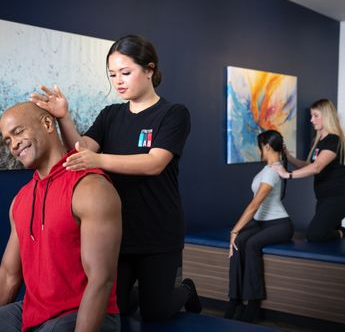
Finding the right back pain therapy in san ramon ca can be an important step when back discomfort starts affecting your work, sleep, exercise, or everyday activities. Whether you experience stiffness after sitting for hours, discomfort while bending, or difficulty returning to your usual fitness routine, back pain can make even simple movements feel challenging. Understanding the possible causes of back pain and the role of physical therapy can help you make informed decisions about your care.
At Ironhorse Physical Therapy & Pilates in San Ramon, movement-focused services offer an option for people exploring ways to improve physical function and mobility. The right approach to back pain depends on your symptoms, health history, activity level, and personal goals. With an appropriate assessment and a plan tailored to your needs, you can begin working toward more comfortable movement and greater confidence in your daily routine.
Understanding Common Causes of Back Pain
Back pain can develop for many reasons, and the experience is different for everyone. Some people notice discomfort after lifting something heavy, while others develop stiffness gradually from repetitive activities, changes in exercise habits, or long periods spent sitting. Pain may affect the lower back, the middle of the back, or the area around the shoulders.
Muscles and other soft tissues can become irritated after unfamiliar physical activity or repeated movements. Joint stiffness, reduced strength, and changes in movement habits may also contribute to discomfort. In some cases, symptoms may be associated with irritation of nerves or conditions involving the spine.
It is important not to assume that every episode of back pain has the same cause. Pain intensity alone does not always indicate how serious a problem is, and similar symptoms can occur for different reasons. A qualified healthcare professional can help assess your situation and determine whether physical therapy is appropriate.
You may find it useful to notice when your symptoms occur. Does discomfort increase after sitting for a long time? Is bending difficult in the morning? Does walking make your back feel better or worse? Sharing these details can help a clinician understand how your symptoms affect your everyday life.
Understanding the problem is a useful first step toward choosing an approach that supports your needs rather than relying on exercises or advice that may not suit your circumstances.
How Physical Therapy May Help With Back Pain
Physical therapy focuses on improving movement, strength, physical function, and the ability to participate in everyday activities. For some people experiencing back pain, a structured programme can help address movement limitations and gradually rebuild confidence in activities that have become uncomfortable.
A physical therapist may begin by discussing your symptoms, medical history, work demands, exercise habits, and goals. The assessment may include observing how you move and evaluating relevant areas of strength, mobility, flexibility, and coordination.
Based on the findings, your programme may include therapeutic exercises, movement education, mobility activities, strengthening, or guidance on adjusting certain tasks. The appropriate treatment depends on your individual assessment rather than a standard routine for everyone with back pain.
For example, a person who experiences discomfort after sitting for extended periods may need a different approach from someone whose symptoms appear during lifting or recreational exercise. Someone returning to activity after an injury may also require a gradual progression that reflects their current abilities.
When considering back pain therapy in san ramon ca, look for care that takes your concerns seriously and connects treatment recommendations to your goals. Your programme should be understandable, manageable, and adjustable as your needs change.
Improvement can take time, and outcomes vary. The aim is to find an appropriate path forward, monitor your response, and make changes when necessary rather than expecting every symptom to disappear immediately.
Why Back Pain Can Affect Everyday Activities
Back pain is not limited to one movement or setting. It can influence how comfortably you sit at your desk, get out of bed, carry groceries, drive, exercise, or spend time with family. Even when discomfort is mild, uncertainty about which movements are safe can cause people to avoid activities they previously enjoyed.
For office workers, prolonged sitting may make stiffness more noticeable. People with physically demanding jobs may find lifting, bending, or repeated movement difficult. Active adults may become frustrated when back discomfort interrupts walking, strength training, cycling, or other recreational activities.
Avoiding every movement is not usually a useful long-term strategy for uncomplicated back pain. Depending on the cause and severity, suitable movement and gradual activity may help maintain physical function. However, it is important to recognize your limits and seek guidance if symptoms are severe, unusual, or worsening.
A physical therapy plan may focus on helping you return to meaningful tasks step by step. This might involve practising controlled movements, improving strength, adjusting how an activity is performed, or gradually increasing the amount of activity you can tolerate.
At Ironhorse Physical Therapy & Pilates, you can ask about the physical therapy services currently available and whether an assessment may be appropriate for your concerns. Discussing your everyday challenges can help you understand which options may fit your goals.
Building Core Strength to Support Movement
The muscles around your abdomen, pelvis, hips, and back work together to support your trunk during movement. These muscles help control your position when you bend, reach, lift, walk, and change direction.
Core strength is often discussed in relation to back discomfort, but it is important to understand that back pain is not always caused by a weak core. Pain can have several contributing factors, and strengthening exercises are not a universal solution. A suitable programme should reflect the findings of an assessment and the activities you want to improve.
Depending on your needs, a physical therapist may recommend exercises that develop trunk strength, coordination, and control. These may begin with simple movements and progress gradually as your tolerance improves.
The quality of movement matters more than making an exercise unnecessarily difficult. Learning to move with control and breathe comfortably can help you practise exercises without excessive strain. If a movement causes sharp pain, new symptoms, or a significant increase in discomfort, stop and ask a qualified professional for advice.
Core training should also connect with your daily routine. If you want to lift household items, return to gardening, or resume recreational exercise, discuss these goals so that your programme can address the relevant movements.
A gradual and individualized approach can help you work toward improved physical capacity while avoiding the assumption that one exercise will resolve every back problem.
Improving Mobility and Flexibility
Stiffness can make back pain feel more limiting, particularly after waking up, sitting for long periods, or completing unfamiliar activities. Depending on the underlying cause, appropriate mobility exercises may help you practise comfortable movement and maintain your ability to carry out everyday tasks.
Mobility involves moving joints through their available range, while flexibility generally refers to how muscles and surrounding tissues lengthen. Both can be relevant to physical function, but more flexibility is not necessarily better for everyone.
A physical therapist may recommend gentle movements suited to your symptoms and current abilities. These could involve practising comfortable trunk movement, working on hip mobility, or gradually returning to activities that have become difficult.
There is no need to force a stretch or push through significant pain. Exercises should be selected based on your condition, and the response to each movement should guide how the programme progresses.
It may also help to change positions regularly if you spend much of the day sitting. Short movement breaks, brief walks, and a comfortable work setup can make it easier to vary your daily routine. These general habits may support movement, although they do not replace professional assessment when symptoms persist.
If you are researching back pain therapy in san ramon ca, consider whether a provider can explain which mobility exercises are appropriate for your situation and how to perform them safely.
The Connection Between Pilates and Back Pain Rehabilitation
Pilates emphasizes controlled movement, breathing, coordination, body awareness, and strength. Depending on the exercises selected, it may support general fitness and help people practise movement with greater control.
Some Pilates-based exercises focus on the muscles around the trunk and hips. These areas contribute to stability and coordination during everyday tasks such as bending, reaching, walking, and lifting. For certain individuals, appropriately selected exercises may complement a broader physical therapy programme.
However, Pilates is not automatically suitable for every type of back pain. A general class may not provide the assessment or individualized modifications needed when someone has an active injury, persistent symptoms, or a medical condition affecting movement.
Ironhorse Physical Therapy & Pilates combines physical therapy and Pilates services within a movement-focused practice. If you are interested in Pilates while experiencing back discomfort, ask the team about the current options and whether a physical therapy assessment should come first.
The most appropriate approach depends on your symptoms and goals. Some people may be ready for a modified exercise routine, while others may need a clinical assessment before beginning or returning to Pilates.
Rather than choosing exercises simply because they are popular, focus on whether they are suitable for your needs and whether they help you move comfortably and confidently.
Back Pain and Long Hours at a Desk
Many people spend a substantial part of the day working at a computer, driving, or sitting during meetings. Long periods in one position can make stiffness more noticeable for some individuals, especially when movement breaks are limited.
There is no single perfect sitting posture that prevents all back pain. Instead, it can be helpful to find a comfortable setup and change positions throughout the day. A chair that supports your working position, a screen placed at a comfortable height, and enough room to move can make your workspace easier to use.
Consider introducing short breaks into your routine. Stand up, take a brief walk, or change position between tasks when practical. These small adjustments can help reduce long stretches of uninterrupted sitting.
If your back becomes uncomfortable during work, notice whether the symptoms change with different positions or activities. Avoid assuming that posture alone is responsible, particularly if the pain persists or begins affecting other parts of your routine.
A physical therapist may help you identify practical movement strategies and exercises that fit your work demands. The goal is not to maintain one rigid position all day but to develop a routine that supports comfortable movement and regular activity.
What to Expect During a Physical Therapy Assessment
If you have never attended physical therapy for back pain, you may be unsure about what happens during an appointment. An initial assessment generally begins with a conversation about your symptoms, health history, daily activities, and goals.
You may be asked when the pain started, whether a particular activity triggered it, which movements affect it, and how it influences your sleep, work, or exercise. Mention any previous injuries, medical conditions, or treatments that may be relevant.
The physical assessment may include observing how you bend, walk, change positions, or perform other movements related to your concerns. The clinician may also assess relevant aspects of strength, mobility, flexibility, or coordination.
After the assessment, the clinician can explain the findings and discuss possible next steps. If physical therapy is suitable, the plan may include exercises, movement education, activity adjustments, or other interventions appropriate to your situation.
You should have the opportunity to ask questions and understand the purpose of the recommendations. It is also helpful to discuss how progress will be reviewed and what to do if your symptoms change.
Before arranging an appointment with Ironhorse Physical Therapy & Pilates, confirm the current services available, appointment details, and whether the practice is appropriate for your particular needs.
Choosing a Back Pain Therapy Provider in San Ramon
Selecting a provider involves more than finding a convenient location. You want to understand whether the available services suit your concerns, whether the clinician has appropriate qualifications, and whether the recommended approach is clear and individualized.
Before starting care, consider asking:
-
What does the initial assessment involve?
-
Are your services appropriate for my type of back pain?
-
How will the programme reflect my daily activities and personal goals?
-
How will progress be reviewed, and can exercises be modified?
-
What are the appointment options, fees, and referral requirements?
Clear communication is especially important when you are unsure what is causing your symptoms. A suitable provider should explain the reasoning behind recommendations and encourage you to share concerns about pain, exercise, or progress.
Ironhorse Physical Therapy & Pilates is an option to explore if you are looking for movement-focused physical therapy services in San Ramon. Contact the practice directly to discuss your symptoms and confirm whether its current services match your needs.
When comparing options for back pain therapy in san ramon ca, prioritize an appropriate assessment, realistic recommendations, and a plan that considers your everyday responsibilities. The best approach is one that fits your circumstances rather than relying on promises of instant or guaranteed relief.
When to Seek Medical Attention for Back Pain
Although many episodes of back pain are not caused by a medical emergency, certain symptoms need prompt attention. Do not assume that every instance of back discomfort is a muscle strain or a problem that can be managed with exercise.
Seek emergency medical care if back pain occurs with new loss of bladder or bowel control, numbness around the groin or saddle area, or significant or rapidly worsening weakness in the legs. These symptoms can indicate a serious condition requiring urgent evaluation.
You should also seek prompt medical assessment if the pain follows a major accident, is severe or rapidly worsening, or occurs with concerning symptoms such as fever or unexplained weight loss. New numbness, weakness, or pain accompanied by other unusual symptoms should not be ignored.
If the discomfort is persistent, repeatedly returns, disrupts sleep, or limits your normal activities, arrange an appropriate medical assessment. A healthcare professional can help determine whether physical therapy is suitable or whether further evaluation is needed first.
Getting advice when symptoms are concerning can help you avoid exercises or activities that may be inappropriate for your situation.
Take the Next Step Toward More Comfortable Movement
Back pain can affect many parts of everyday life, from sitting at work to walking, lifting, exercising, and enjoying time with family. Understanding your symptoms and exploring suitable care options can help you make more informed decisions about your next steps.
If you are looking for back pain therapy in san ramon ca, begin by identifying the activities you find difficult and the improvements you hope to make. Consider whether you need help with mobility, strength, returning to exercise, or managing recurring discomfort, and share these goals with a qualified healthcare professional.
Ironhorse Physical Therapy & Pilates offers physical therapy and Pilates services in San Ramon for people interested in improving movement and physical function. Contact the practice to discuss your concerns and confirm whether its current services are appropriate for your needs.
With a suitable assessment, a realistic plan, and gradual progress, you can work toward better movement confidence and a more manageable daily routine. The first step is understanding what your body needs and choosing support that fits your individual circumstances.

 Arabic
 French
 Spanish
 Portuguese
 Deutsch
 Turkish
 Dutch
 Italiano
 Russian
 Romaian
 Portuguese (Brazil)
 Greek
