

Liposuction in Riyadh: How to Prepare for Your Body Contouring Journey
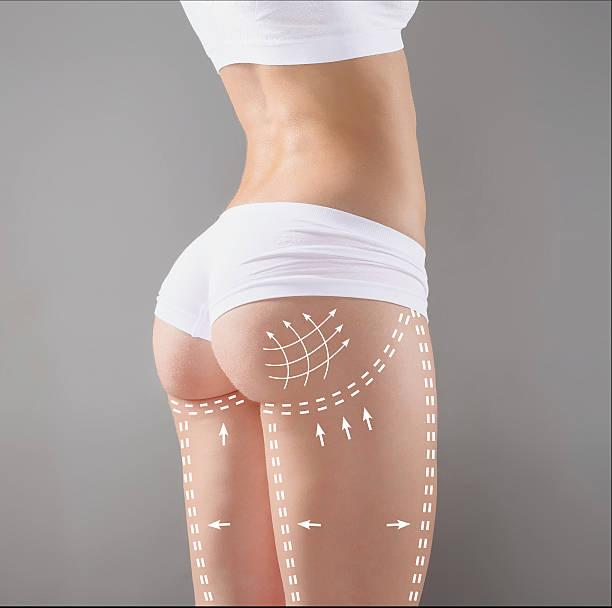
Liposuction is a cosmetic surgical procedure designed to remove localized fat deposits and improve the contours of specific areas of the body. For individuals exploring Liposuction in Riyadh (عملية شفط الدهون في الرياض), understanding the treatment, preparation process, recovery expectations, and potential results is essential before making an informed decision. Body contouring can help address stubborn fat that remains despite consistent exercise and a balanced diet, although it is not intended as a weight-loss solution.
In Saudi Arabia, interest in cosmetic procedures has encouraged many people to learn more about modern body contouring techniques and their suitability for different body types. Understanding what liposuction can achieve, who may benefit from it, and how to prepare for treatment can help individuals approach the process with realistic expectations and greater confidence.
Understanding Liposuction in Riyadh
Liposuction is a surgical procedure that removes excess fat from selected areas using a thin instrument called a cannula. The cannula is inserted through small incisions and connected to a suction device that removes unwanted fat. Depending on the patient's needs, the procedure may focus on one area or several areas during the same surgical session.
The primary objective is to improve body proportions and create smoother contours rather than significantly reduce overall body weight. Results depend on factors such as the amount and distribution of fat, skin elasticity, general health, and the surgical approach selected by a qualified plastic surgeon.
People researching Liposuction in Riyadh should understand that individual results vary. A thorough consultation helps establish whether the procedure is appropriate and what improvements may reasonably be expected.
Why People Consider Liposuction in Saudi Arabia
Many individuals maintain healthy lifestyles but continue to experience localized fat deposits in particular areas. Genetics, hormones, age, and natural body-fat distribution can influence where fat accumulates and how resistant it is to lifestyle changes.
Liposuction may be considered when these deposits affect body proportions or create contours that a person wishes to change. Common treatment areas include the abdomen, waist, hips, thighs, upper arms, back, and chin.
However, liposuction does not treat every concern related to body shape. It does not eliminate cellulite reliably, correct substantial loose skin, or replace healthy weight-management habits. Understanding these limitations helps patients decide whether surgical body contouring aligns with their goals.
Common Areas Treated With Liposuction
Abdominal and Waist Contouring
The abdomen and waist are frequently considered for liposuction because localized fat in these areas can affect the overall silhouette. Treatment may help reduce selected fat deposits and create a more defined waistline.
The suitability of abdominal liposuction depends on the amount of subcutaneous fat, skin quality, and underlying abdominal structure. Liposuction cannot remove visceral fat located around internal organs, and it may not correct abdominal muscle separation or significant loose skin.
Thighs and Hips
Fat deposits around the inner and outer thighs and hips can influence the body's overall proportions. Liposuction may help refine these areas when localized fat is present and the skin has sufficient elasticity to adapt to the new contours.
A qualified surgeon evaluates body symmetry, fat distribution, and skin characteristics before recommending treatment. Careful planning is important because excessive or uneven fat removal may result in irregular contours.
Arms and Back
Some individuals explore liposuction to reduce localized fat around the upper arms, back, or bra-line region. These areas require an individualized assessment because skin elasticity varies considerably.
When loose skin is a major concern, liposuction alone may not achieve the desired appearance. A surgeon can explain whether another procedure or a combined approach would be more appropriate.
Chin and Neck
Liposuction may also be used to address selected fat deposits beneath the chin and around the neck. In suitable candidates, treatment can improve the definition between the chin and neck.
The final outcome depends on skin elasticity, facial anatomy, and the amount of fat present. A consultation is necessary to determine whether liposuction is suitable or whether alternative treatments should be considered.
Modern Liposuction Techniques in Saudi Arabia
Different liposuction techniques may be available depending on the surgeon's training, the treatment area, and the patient's individual requirements. Traditional suction-assisted liposuction uses a cannula to remove fat mechanically. Other approaches may incorporate ultrasound, laser energy, or powered instruments to assist fat removal.
These techniques differ in their equipment, methods, and potential applications. No single technique is automatically the best option for every patient, and newer technology does not guarantee superior results or eliminate surgical risks.
During a consultation for Liposuction in Riyadh, patients should ask about the recommended technique, the surgeon's experience with that approach, the expected recovery period, and the risks associated with the procedure. The decision should be based on clinical suitability and evidence rather than marketing claims.
Who Is a Suitable Candidate for Liposuction?
Liposuction is generally intended for adults who are in reasonably good health, maintain a relatively stable weight, and have localized fat deposits that have not responded to lifestyle measures. Good skin elasticity may help the treated areas adapt to changes in volume after fat removal.
Candidates should have realistic expectations and understand that results differ between individuals. Smoking, certain medical conditions, blood-clotting concerns, and medications may affect surgical eligibility or recovery.
Liposuction is not generally recommended as a primary treatment for obesity or as a substitute for a balanced diet and regular physical activity. A qualified surgeon reviews medical history, examines the treatment areas, and discusses potential benefits and risks before making a recommendation.
How to Prepare for Liposuction in Riyadh
Schedule a Detailed Consultation
Preparation begins with a consultation with a qualified plastic surgeon. During this appointment, discuss your goals, medical history, previous surgeries, allergies, medications, and any supplements you take.
The surgeon will assess the proposed treatment areas and explain the anticipated results, available techniques, anesthesia requirements, and possible complications. This is also the time to ask questions and confirm that the treatment plan reflects your individual needs.
Follow Medical Instructions
Before surgery, patients may need a physical examination, laboratory tests, or other assessments depending on their health and the planned procedure. The surgical team may provide instructions about eating, drinking, medication adjustments, and preparation on the day of treatment.
Do not stop prescribed medication or begin taking supplements without medical advice. Smoking and nicotine use can interfere with healing, so discuss an appropriate cessation plan with your healthcare professional.
Prepare Your Home for Recovery
Arrange a comfortable recovery area where you can rest without unnecessary movement. Keep essential items within easy reach, prepare simple meals, and organize transportation to and from the surgical facility.
It is also helpful to arrange assistance from a trusted person during the initial recovery period, particularly if general anesthesia or extensive treatment is planned. Follow the surgical team's advice about compression garments, wound care, movement, and follow-up appointments.
What Happens During the Procedure?
The exact process depends on the treatment plan and the areas being addressed. Liposuction may be performed using local anesthesia with sedation or general anesthesia, depending on the extent of surgery and the patient's clinical needs.
After the treatment area is prepared, the surgeon makes small incisions and inserts a cannula to remove targeted fat. The incisions are then managed according to the surgical plan, and the patient is monitored during the initial recovery period.
Liposuction is usually performed as a planned procedure, but its duration and the need for observation vary. Patients should receive clear instructions about discharge arrangements, warning signs, and when to contact their healthcare team.
Recovery and Aftercare Following Liposuction
Recovery varies according to the treatment area, amount of fat removed, surgical technique, and individual healing response. Swelling, bruising, tenderness, and temporary changes in sensation are common during the early recovery period.
Compression garments may be recommended to support the treated areas and help manage swelling. Patients should follow instructions about wound care, bathing, walking, physical activity, and returning to work. Gentle movement may be encouraged, while strenuous exercise should be resumed only when the surgeon considers it safe.
Some improvement may become visible early, but swelling can take weeks or months to settle. The final contours may take several months to become apparent. Contact a healthcare professional promptly if you experience chest pain, shortness of breath, fainting, severe or worsening pain, fever, or unusual swelling, as these symptoms may require urgent assessment.
Potential Benefits and Risks of Liposuction
Liposuction can improve the contours of selected areas and reduce localized fat deposits. When performed on an appropriate candidate by a qualified surgeon, it may help create body proportions that better match the individual's goals.
Nevertheless, it is surgery and carries risks. Possible complications include infection, bleeding, fluid accumulation, contour irregularities, asymmetry, changes in skin sensation, anesthesia-related complications, and blood clots. Rare but serious complications can occur, particularly with extensive procedures or certain underlying health conditions.
Removed fat cells do not grow back in the same way, but remaining fat cells can enlarge if weight increases. Maintaining a stable weight and healthy lifestyle can help preserve the results. A balanced discussion of benefits, limitations, and complications is an essential part of informed consent.
Choosing a Qualified Provider in Riyadh
Selecting a suitable provider is an important part of preparing for body contouring. Patients should verify the surgeon's qualifications, relevant specialist training, professional licensing, and experience with the proposed procedure.
It is also important to understand where the surgery will take place, whether the facility is appropriately licensed, what anesthesia and monitoring arrangements are available, and how complications would be managed. Ask about follow-up care and who to contact if concerns arise after surgery.
Individuals considering Liposuction in Riyadh should feel comfortable asking questions and taking time to evaluate their options. Clear communication and realistic expectations help support informed decisions throughout the treatment journey.
Conclusion
Preparing for liposuction involves more than choosing a treatment area. It requires understanding the procedure, assessing personal suitability, discussing potential risks, following preoperative instructions, and planning for recovery. Liposuction can improve localized body contours for appropriate candidates, but it is not a substitute for weight loss and cannot guarantee a particular appearance.
For those exploring cosmetic treatment options in Saudi Arabia, researching qualified professionals and seeking an individualized consultation are important first steps. Enfield Royal Clinic Saudi is one option individuals may explore when researching aesthetic treatments and body contouring services. Before proceeding, confirm the provider's current licensing, the treating surgeon's qualifications, the available facilities, and whether the recommended procedure is appropriate for your needs.
Frequently Asked Questions
What Is Liposuction in Riyadh Used For?
Liposuction is used to remove localized fat deposits from areas such as the abdomen, waist, thighs, arms, back, and chin. It aims to improve body contours rather than produce substantial weight loss. Suitability depends on individual anatomy, skin elasticity, general health, and personal goals.
Is Liposuction in Saudi Arabia Suitable for Weight Loss?
Liposuction is not a primary weight-loss treatment. It is generally intended for people who are near a stable, suitable weight but have specific fat deposits that remain despite healthy lifestyle habits. People seeking obesity treatment should discuss appropriate options with a qualified healthcare professional.
How Long Does Recovery From Liposuction Take?
Recovery depends on the extent of treatment, the areas addressed, and individual healing. Bruising and swelling may last for several weeks, while final results can take several months to become visible. Following medical instructions and attending follow-up appointments can support recovery.
Are Liposuction Results Permanent?
The fat cells removed during liposuction are permanently removed, but the remaining fat cells can enlarge with weight gain. Maintaining a stable weight through balanced nutrition and regular physical activity can help preserve body contours over time. Natural aging may also influence the appearance of the treated areas.
What Should I Avoid Before Liposuction?
Patients may be instructed to avoid smoking, nicotine products, and certain medications or supplements before surgery. However, recommendations depend on personal health and the surgical plan. Always follow the treating surgeon's instructions and never discontinue prescribed medication without professional guidance.
How Can I Choose a Provider for Liposuction in Riyadh?
Look for a properly licensed plastic surgeon with relevant training and experience in liposuction. Ask about the surgical facility, anesthesia arrangements, possible complications, expected recovery, and follow-up care. An individualized consultation should provide clear answers and help you make an informed decision without pressure.

 English
 Arabic
 French
 Spanish
 Portuguese
 Deutsch
 Turkish
 Dutch
 Italiano
 Romaian
 Portuguese (Brazil)
 Greek
