

Exploring Hair Restoration at SKN Cosmetics: What Islamabad Patients Should Consider
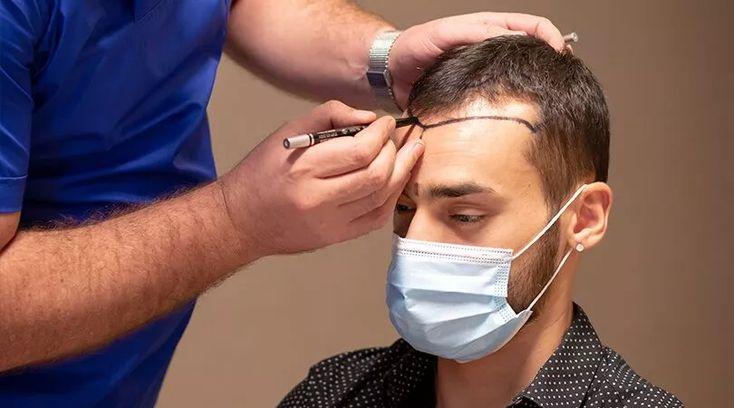
Hair loss can affect confidence, appearance, and everyday comfort. Whether someone experiences a receding hairline, thinning hair, a widening part, or bald patches, understanding the underlying cause is an important first step toward finding an appropriate solution. Hair restoration includes different approaches designed to address hair thinning, support hair growth, or improve hair coverage, depending on an individual's condition.
For people considering hair transplant in Islamabad, the decision should involve more than comparing treatment prices or looking at before-and-after photographs. A suitable treatment plan depends on the type of hair loss, scalp condition, medical history, expectations, and professional assessment. Exploring available options at SKN Cosmetics can help patients understand which treatments may be appropriate for their individual needs.
What Causes Hair Loss?
Hair loss can develop gradually or occur suddenly. Identifying its possible cause helps determine whether a patient may benefit from medical management, a hair restoration procedure, or further investigation.
Common causes include:
-
Genetics: Hereditary hair loss is a frequent reason for gradual thinning in men and women.
-
Hormonal changes: Hormonal fluctuations can contribute to changes in hair density and shedding.
-
Nutritional deficiencies: Inadequate iron, protein, or other essential nutrients may affect healthy hair growth.
-
Stress and illness: Physical stress, certain illnesses, and significant life changes can trigger temporary shedding.
-
Scalp conditions: Inflammation and some scalp disorders can interfere with normal hair growth.
-
Medications and medical conditions: Certain treatments and health conditions may contribute to hair loss.
A professional assessment can help distinguish between these causes. Patients should avoid assuming that every type of hair loss requires a hair transplant, as some conditions may respond better to medical treatment or targeted management.
Hair Restoration Options Patients Should Explore
Hair restoration is not a single procedure. Different treatments serve different purposes, and their suitability depends on the patient's diagnosis and goals.
Hair Transplant Surgery
Hair transplantation involves moving hair follicles from a suitable donor area to areas affected by thinning or baldness. Techniques such as Follicular Unit Extraction (FUE) and Follicular Unit Transplantation (FUT) differ in how follicles or follicular units are collected.
A consultation should address donor hair availability, hairline design, expected density, possible scarring, recovery, and long-term planning. Patients should also understand that transplanted hair does not guarantee complete coverage, and existing non-transplanted hair may continue to thin.
PRP Hair Therapy
Platelet-rich plasma (PRP) therapy uses a preparation derived from the patient's blood and delivers it into the scalp. It may help improve hair density in some people with particular forms of hair loss, although results vary and evidence differs by condition.
Patients should ask about the expected number of sessions, maintenance requirements, suitability, and realistic outcomes before beginning treatment.
Exosomes and Other Emerging Treatments
Exosome-based hair treatments are promoted for their potential role in hair restoration, but the quality of evidence, standardization, and regulatory status can vary. Patients should carefully discuss these uncertainties with a qualified professional rather than treating promotional claims as established medical facts.
Depending on the diagnosis, a clinician may also recommend approved medical therapies or evaluation for nutritional and hormonal factors.
Why Consultation Matters Before Treatment
A detailed consultation helps establish whether a proposed treatment is suitable and what results may reasonably be expected. It also gives patients an opportunity to ask questions before committing to a procedure.
During an assessment, patients should discuss:
-
The pattern, duration, and possible cause of hair loss.
-
Scalp health and the condition of the donor area, if transplantation is being considered.
-
Previous treatments, medications, allergies, and relevant medical history.
-
Expected improvements, limitations, potential complications, and recovery time.
-
The estimated treatment cost, follow-up schedule, and possible need for maintenance.
A responsible provider should explain both the benefits and limitations of each option. Patients should feel comfortable asking for clarification and taking time to make an informed decision.
Choosing SKN Cosmetics for Hair Restoration in Islamabad
When exploring hair restoration services, patients should evaluate a clinic according to professional expertise, consultation standards, hygiene, treatment planning, and aftercare rather than marketing claims alone.
SKN Cosmetics in Islamabad is an option patients can consider when researching aesthetic and hair restoration services. Before choosing any procedure, prospective patients should confirm which hair restoration treatments are currently available, who will perform the treatment, and what qualifications and experience the responsible practitioner holds.
Patients should also ask how their hair loss will be assessed and whether the proposed treatment is appropriate for their specific condition. For surgical procedures, it is particularly important to understand the surgeon's role, the clinical setting, safety arrangements, and the plan for managing potential complications.
A patient-focused clinic should provide clear information about:
-
Individualized treatment recommendations rather than a one-size-fits-all approach.
-
Realistic expectations supported by relevant clinical information.
-
Transparent discussion of fees, follow-up visits, and maintenance.
-
Written aftercare instructions and access to appropriate professional guidance.
These factors help patients compare providers more confidently and make decisions based on suitability and safety.
Recovery, Results, and Long-Term Hair Care
Hair restoration results usually develop over time rather than immediately. After a hair transplant, some transplanted hairs may shed before new growth begins. Visible improvement commonly takes several months, and the final outcome may require around 9–12 months or longer, depending on the individual and procedure.
Recovery and results vary with the treatment performed, individual health, and adherence to aftercare instructions. Patients should follow their provider's guidance regarding scalp washing, physical activity, medications, and follow-up appointments.
Long-term hair care may include:
-
Maintaining a balanced diet with adequate protein and essential nutrients.
-
Addressing diagnosed nutritional deficiencies with professional guidance.
-
Following a clinician-recommended plan for ongoing hair loss.
-
Attending follow-up visits to assess progress and discuss maintenance.
-
Seeking medical advice if hair loss becomes sudden, painful, or associated with scalp inflammation.
No treatment can guarantee a particular density or permanent freedom from further hair loss. Understanding these limitations helps patients set realistic expectations.
Making an Informed Hair Restoration Decision
Choosing a hair restoration treatment requires careful research, a reliable assessment, and realistic expectations. Patients in Islamabad should consider the cause of their hair loss, the available treatment options, the practitioner's qualifications, and the level of follow-up care offered.
By discussing their concerns with an appropriately qualified professional and comparing treatment benefits with potential risks, patients can make a more informed decision. Whether considering transplantation, PRP, or another approach, the goal should be a medically appropriate plan that supports individual needs and long-term hair health.
Frequently Asked Questions
Q1: What is hair restoration?
Hair restoration includes treatments designed to address hair loss, improve hair coverage, or support hair growth.
Q2: Is a hair transplant suitable for everyone?
No. Suitability depends on the cause of hair loss, donor hair availability, health, and individual expectations.
Q3: How long do hair transplant results take?
Visible growth often develops over several months, with fuller results commonly assessed around 9–12 months or later.
Q4: Can PRP help with hair loss?
PRP may improve hair density in some patients, but effectiveness varies according to the condition and individual response.
Q5: What should I ask before choosing a hair restoration clinic?
Ask about practitioner qualifications, treatment suitability, potential risks, expected results, total costs, and aftercare.

 English
 Arabic
 French
 Spanish
 Portuguese
 Deutsch
 Turkish
 Dutch
 Italiano
 Romaian
 Portuguese (Brazil)
 Greek
