

Is Egg Freezing Worth Considering Before Major Life Changes?
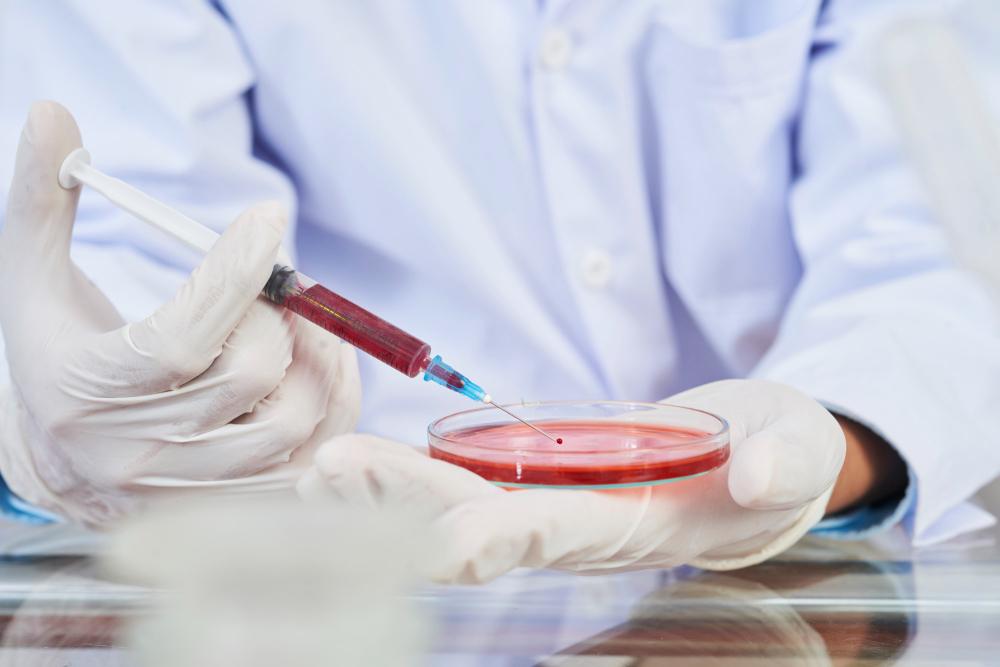
A new job, higher education, moving to another city, or simply wanting more time to decide about parenthood can change how someone thinks about the future. Family planning does not always fit neatly into a particular stage of life. For people who may want biological children later, egg freezing can be one option to explore while making these decisions.
Egg freezing, also known as mature oocyte cryopreservation, involves collecting mature eggs from the ovaries and freezing them for potential future use. It does not require a person to decide immediately when or whether to become a parent. However, it is a medical procedure with costs, physical demands, and uncertain outcomes, so understanding the details is essential before choosing it.
When Life Plans and Fertility Timelines Feel Different
Major life changes can affect when someone feels ready to start a family. Career development, financial planning, relationships, education, and personal circumstances may all influence the timing.
For those researching egg freezing in hyerabad, the first step is to consider what they hope the procedure will offer. Egg freezing may preserve an opportunity to use eggs collected at a younger age, but it cannot guarantee a future pregnancy or replace a complete fertility assessment.
It can be particularly relevant for people who expect to delay pregnancy and want to understand their options. It may also be discussed before certain medical treatments that could affect ovarian function.
The decision does not need to be based on pressure or a fixed deadline. A consultation can help clarify the medical facts alongside personal priorities.
What Egg Freezing Can—and Cannot—Offer
The main purpose of egg freezing is to store unfertilised eggs for possible use in the future. If someone later decides to attempt pregnancy using the stored eggs, they are generally thawed, fertilised with sperm in a laboratory, and allowed to develop into embryos. An embryo may then be transferred to the uterus if appropriate.
The potential benefit
Egg quality and quantity generally change with age. Freezing eggs at a younger age can preserve eggs from that point in time, which may offer a reproductive option later. This can be valuable for someone who is not ready to pursue pregnancy now but wishes to keep that possibility open.
The important limitation
Not every frozen egg survives thawing, fertilises, or develops into an embryo suitable for transfer. Even when an embryo is transferred, pregnancy and live birth are not guaranteed.
The number of mature eggs stored and the age at freezing are important factors, alongside individual medical circumstances. Some people may need more than one egg-retrieval cycle to store a number of eggs they feel comfortable with, while others may obtain fewer eggs than expected.
Egg freezing should therefore be viewed as an option that may improve future possibilities, rather than an insurance policy against age-related fertility changes.
Age Matters, but Personal Assessment Matters Too
There is no single age at which egg freezing is right for everyone. In general, eggs frozen at younger ages tend to have better reproductive potential because egg quality declines over time. However, the decision also depends on ovarian reserve, medical history, reproductive goals, and how long pregnancy may be delayed.
A fertility specialist may recommend an assessment that includes:
-
Medical and menstrual history: Information about cycle regularity, previous pregnancies, surgeries, and relevant health conditions.
-
Anti-Müllerian hormone (AMH) testing: A blood test that can help estimate ovarian reserve and predict response to stimulation medication.
-
Antral follicle count: An ultrasound assessment that counts small follicles in the ovaries.
-
Medication and health review: A discussion of current medicines and conditions that may affect treatment planning.
These assessments can help estimate how the ovaries may respond to medication. They do not directly measure egg quality or precisely predict whether a future pregnancy will occur.
The specialist can explain the likely benefits and limitations in the context of the individual's age and circumstances.
What Happens During the Egg-Freezing Process?
Knowing the practical steps can make it easier to decide whether the procedure fits around an upcoming life change.
1. Ovarian stimulation
Hormonal medications are used for a short period to encourage several eggs to mature during one cycle. The treatment is monitored through ultrasound examinations and, when indicated, blood tests.
2. Egg retrieval
When the follicles appear ready, a clinician performs an egg-retrieval procedure, usually using ultrasound guidance and sedation. A needle is used to collect eggs from the ovaries. The procedure is generally brief, although recovery time varies.
3. Laboratory assessment and freezing
The collected eggs are assessed, and suitable mature eggs are frozen using a method called vitrification, which cools them rapidly to support preservation.
4. Recovery and follow-up
Some people experience temporary bloating, cramping, or discomfort after stimulation and retrieval. The clinic should explain expected recovery, warning signs, and when normal activities can resume.
A full cycle often requires roughly two weeks of stimulation and monitoring, although preparation and scheduling may extend the overall timeline. If a major move, examination, or work commitment is approaching, discuss the schedule with the clinic before beginning.
Does Egg Freezing Fit Your Current Circumstances?
Medical suitability is only one part of the decision. It is also useful to consider how the procedure fits into daily life.
Ask yourself:
-
Am I likely to delay pregnancy for several years, or am I uncertain about my plans?
-
Have I discussed my options with a qualified fertility specialist?
-
Can I make time for appointments and monitoring?
-
Do I understand the financial costs, including storage and potential future treatment?
-
Am I comfortable with the fact that the outcome remains uncertain?
-
Do I know what future use of the eggs would involve?
There is no need to have every future decision settled before seeking information. A consultation can be useful even if the person ultimately chooses not to proceed.
It is also worth asking for a complete cost estimate. Expenses may include consultations, testing, medications, egg retrieval, freezing, annual storage, and future treatment using the eggs. Fees and treatment protocols differ between clinics, so clarify which services are included.
Questions to Ask Before You Commit
A productive consultation should leave you with a clear understanding of the procedure and realistic expectations. Consider asking:
-
Based on my age and test results, what response might be expected?
-
How many mature eggs might be collected in one cycle?
-
Could more than one cycle be worth considering?
-
What are the common side effects and possible complications?
-
How long can eggs be stored, and what rules apply?
-
What would be involved in using the eggs in the future?
-
What are the total current costs and likely future expenses?
Ask the specialist to explain any medical terms you do not understand. A good decision is one based on clear information, not assumptions about what egg freezing can achieve.
Conclusion
Egg freezing may be worth considering before a major life change if you expect to delay pregnancy and want to explore ways to preserve reproductive options. Its value depends on age, ovarian response, personal goals, costs, and willingness to accept an uncertain outcome. A fertility consultation can help you weigh these factors and decide whether the procedure aligns with your plans.
FAQs
1. Does egg freezing stop the biological clock?
No. Egg freezing preserves eggs at the age they were collected, but it does not stop other age-related changes in the body or guarantee a future pregnancy.
2. How long can frozen eggs be stored?
Eggs can be stored for extended periods under appropriate conditions, subject to applicable regulations and consent arrangements. Ask the clinic about its storage policies and legal requirements.
3. Is egg freezing painful?
The stimulation phase may cause bloating or discomfort, and egg retrieval is usually performed with sedation. Individual experiences vary, so discuss pain management and recovery with the treating team.
4. Will I need more than one egg-freezing cycle?
Not necessarily. The number of cycles depends on factors such as age, ovarian response, and the number of mature eggs collected. Your specialist can discuss what may be realistic in your case.
5. Can I use frozen eggs whenever I decide to have a child?
Future use depends on storage rules, consent requirements, medical suitability, and the clinic's procedures. Discuss these conditions before freezing your eggs.

 English
 French
 Spanish
 Portuguese
 Deutsch
 Turkish
 Dutch
 Italiano
 Russian
 Romaian
 Portuguese (Brazil)
 Greek
