

Is a Single 12 Inch Subwoofer Box Right for Your Truck or Car?
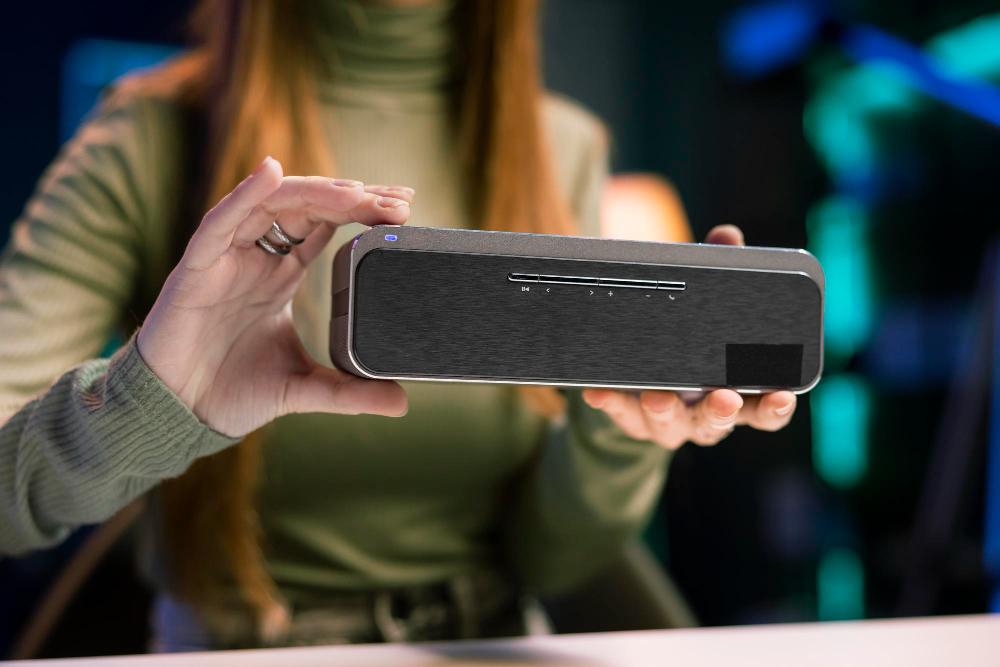
A single 12 inch subwoofer box can be an excellent choice for drivers who want stronger bass without filling their vehicle with multiple speakers and oversized enclosures. Whether you drive a pickup truck, sedan, or SUV, a single-subwoofer setup can provide an effective balance of sound quality installation flexibility, and available space. The key is choosing a box that matches your subwoofer, vehicle dimensions, and listening preferences.
Before buying an enclosure, consider how much bass you want, where the box will fit, and whether a sealed or ported design better suits your needs. A properly matched single 12-inch subwoofer can deliver satisfying low-frequency performance for everyday listening, but the results depend on the complete audio system rather than speaker size alone.
What Is a Single 12-Inch Subwoofer Box?
A single 12-inch subwoofer box is an enclosure designed to house one 12-inch subwoofer. It provides the air space the speaker needs to operate and helps control its acoustic response.
Unlike a dual-subwoofer enclosure, a single-subwoofer box uses one driver, which can simplify the installation and leave more room for other equipment or cargo. This does not mean every single-subwoofer setup is small. The enclosure's overall size depends on its design, internal volume, construction, and the subwoofer's requirements.
For many vehicle owners, a single 12-inch setup offers a practical way to upgrade factory audio without building an elaborate system.
Why Choose a Single 12-Inch Subwoofer for Your Vehicle?
A single 12-inch subwoofer can provide meaningful bass output while keeping the system relatively straightforward. Here are some reasons drivers consider this configuration.
Strong Bass Without Multiple Subwoofers
A well-matched 12-inch subwoofer can produce substantial low-frequency sound when paired with a suitable enclosure and amplifier. It can add depth to music, improve the impact of kick drums, and make bass-heavy tracks more engaging.
The final output depends on the subwoofer's design, power handling, enclosure, and tuning. Adding more speakers is not always necessary to achieve an enjoyable listening experience.
More Flexible Installation
One subwoofer generally requires fewer mounting positions and less wiring than a multi-subwoofer setup. This can make planning easier, especially when the vehicle has limited space.
Depending on the enclosure design, the box may fit in a trunk, cargo area, or behind a truck seat. Always measure the installation location before purchasing because a 12-inch enclosure can still have significant external dimensions.
A Practical Upgrade for Daily Driving
A single-subwoofer system can single 12 inch subwoofer box improve bass response without requiring a complete replacement of the vehicle's audio equipment. In many installations, the factory speakers can remain in place while the subwoofer adds the low frequencies they struggle to reproduce.
The goal is a balanced system in which the subwoofer complements the main speakers rather than overpowering them.
Is a Single 12-Inch Subwoofer Box Suitable for a Truck?
Trucks can be excellent candidates for a single 12-inch subwoofer setup, but the available cabin space varies by model and cab configuration.
Pickup Trucks With Limited Cabin Space
Regular-cab and some extended-cab trucks may have limited room behind or beneath the seats. A compact enclosure can be useful if it provides the correct internal volume without interfering with seating.
Measure the available width, height, and depth carefully. Account for seat brackets, storage compartments, and the movement of adjustable seats. Also confirm that the subwoofer's mounting depth fits the enclosure.
Trucks With More Rear-Cabin Space
Crew-cab trucks often provide more room for audio equipment, although the available space still depends on the vehicle's interior layout.
A single 12-inch box can be positioned to preserve useful seating and storage space. Some owners may prefer a vehicle-specific enclosure if a universal box is too bulky or has the wrong shape.
Consider Your Everyday Needs
If you regularly carry tools, equipment, or other cargo, think about how the enclosure will affect your truck's usability. A permanent installation may work well for one driver, while another may prefer a setup that leaves the main cargo area open.
Choose an enclosure that accommodates your audio goals without making routine vehicle use inconvenient.
Is a Single 12-Inch Subwoofer Box Right for a Car?
For sedans and hatchbacks, a single 12-inch subwoofer box can be a practical addition to the sound system.
Sedan Owners
A sedan's trunk can provide a suitable location for a subwoofer enclosure. Before buying, measure the available space and check the trunk opening to ensure the box can be installed without difficulty.
Consider how much room you need for luggage, shopping, or other items. A compact sealed enclosure may be worth considering when preserving trunk space is a priority.
Hatchbacks and Compact Cars
Hatchbacks often offer flexible cargo layouts, but a subwoofer box can take up a noticeable portion of the available area. A carefully selected enclosure can help maintain a useful balance between bass performance and storage capacity.
Check the height of the cargo floor, the position of rear seats, and whether you need access to a spare tire or storage compartment.
SUVs
SUVs can offer more options for subwoofer placement, but cargo requirements remain important. If you frequently carry passengers or luggage, plan the enclosure location around those needs.
In any vehicle, secure the enclosure properly so it cannot slide during braking or sudden changes in direction.
Sealed vs. Ported Boxes: Which Should You Choose?
The enclosure type influences the sound, space requirements, and overall design of a single 12-inch subwoofer system.
Sealed Enclosures for Controlled Bass
A sealed enclosure has a closed chamber without a port. The trapped air helps control the subwoofer cone's movement, and the design is often chosen for smooth, well-defined bass.
Sealed boxes can be easier to fit into certain tight spaces because they do not need a port. However, the enclosure must still provide the internal volume recommended for the particular subwoofer.
This design is worth considering if you want a compact installation and bass that integrates naturally with your main speakers.
Ported Enclosures for Greater Output
A ported enclosure uses a tuned opening to reinforce output around a specific frequency range. When properly designed, it can deliver greater output in that region.
The trade-off is that the port needs additional space, and its dimensions must be matched to the enclosure and subwoofer. A ported box may be a good option if stronger output is your priority and your vehicle can accommodate the larger design.
Neither enclosure type is universally better. Choose according to your sound preferences, available space, and the subwoofer manufacturer's recommendations.
How to Choose the Right Single 12-Inch Subwoofer Box
Selecting the correct enclosure requires more than checking whether it accommodates a 12-inch speaker. Several specifications deserve attention before you buy.
Match the Internal Volume to the Subwoofer
Every subwoofer has design characteristics that influence the enclosure volume it needs. Review the manufacturer's recommended sealed or ported box specifications and compare them with the enclosure's net internal volume.
Net internal volume accounts for space occupied by the subwoofer and other internal components. For ported designs, the port also affects the available air space.
Choosing an enclosure that follows Door trim panel damping the manufacturer's recommendations helps you avoid a poor match that may compromise performance.
Check Build Quality and Materials
A good enclosure should have rigid panels, secure joints, and reliable construction. MDF and suitable plywood are commonly used materials for subwoofer boxes.
For sealed enclosures, properly sealed seams and a secure speaker gasket help prevent unintended air leaks. Strong construction can also reduce unwanted panel vibration and rattling.
Verify the Amplifier and Wiring Compatibility
The subwoofer and amplifier must work together electrically. Check the speaker's power-handling rating, voice-coil configuration, and impedance before selecting an amplifier or wiring arrangement.
A dual-voice-coil subwoofer may support several wiring configurations, but the final impedance must remain within the amplifier's supported range. Correct setup matters more than simply choosing the amplifier with the highest advertised power rating.
Can One 12-Inch Subwoofer Deliver Enough Bass?
For many everyday listening setups, a single 12-inch subwoofer can provide satisfying bass. However, whether it is enough depends on your expectations and the rest of the system.
If you want deeper low-frequency support for ordinary music listening, one well-selected subwoofer may be all you need. If you want very high output or are building a system for competitions, you may need a different combination of drivers, enclosure design, and amplification.
Vehicle acoustics also influence the result. Cabin size, enclosure placement, and the way sound interacts with interior surfaces can change how bass is perceived.
Rather than judging the system by the number of subwoofers alone, consider the quality of the driver, the enclosure match, available amplifier power, and your preferred listening level.
Common Mistakes to Avoid Before Buying
A few checks can help prevent fitment and performance problems.
-
Ignoring the vehicle's measurements: Confirm the box fits the intended location and can pass through the available opening.
-
Choosing an enclosure by diameter alone: Not every 12-inch subwoofer uses the same internal volume or mounting depth.
-
Overlooking cargo and seating needs: Make sure the enclosure does not interfere with daily vehicle use.
-
Expecting maximum bass from any setup: The subwoofer, amplifier, enclosure, and tuning all influence performance.
-
Forgetting secure installation: A box should be firmly mounted and should not interfere with vehicle safety features.
Taking these factors into account can help you select a system that performs well and remains practical over time.
Key Takeaways
A single 12-inch subwoofer box can be the right choice for a truck or car if you want stronger bass without the complexity of a multi-subwoofer system. It can offer flexible installation options, a useful balance between output and space, and a straightforward while path to upgrading your audio system.
Before buying, measure your vehicle, verify the enclosure's net internal volume, and check mounting depth and amplifier compatibility. Choose a sealed or ported design based on your listening preferences and available room.
The best setup is the one that matches your subwoofer, fits securely in your vehicle, and provides the bass performance you want without compromising everyday comfort.
Frequently Asked Questions (FAQs)
1. Is one 12-inch subwoofer enough for a truck?
Yes, one 12-inch subwoofer can provide satisfying bass in many trucks. The results depend on the subwoofer, enclosure design, amplifier, cabin space, and your preferred listening level.
2. Does a single 12-inch subwoofer box take up a lot of space?
It depends on the enclosure's shape and dimensions. A compact design may fit behind a truck seat or in part of a car's trunk, but you should measure the available area and check the required internal volume before buying.
3. Should I choose a sealed or ported single 12-inch box?
Choose a sealed box if you prioritize controlled bass and a relatively compact design. A ported box may offer greater output around its tuning frequency but generally requires more design space. The correct choice depends on your subwoofer and listening goals.
4. Can I use a single 12-inch subwoofer with my factory car speakers?
Yes. A subwoofer can supplement factory speakers by handling low frequencies they may not reproduce effectively. Proper amplifier setup, crossover adjustment, and installation help the subwoofer blend with the existing system.

 Arabic
 French
 Spanish
 Portuguese
 Deutsch
 Turkish
 Dutch
 Italiano
 Russian
 Romaian
 Portuguese (Brazil)
 Greek
