

Physical Therapy Advantage: Exploring Muscle Relief and Better Movement With Dry Needling Near Me
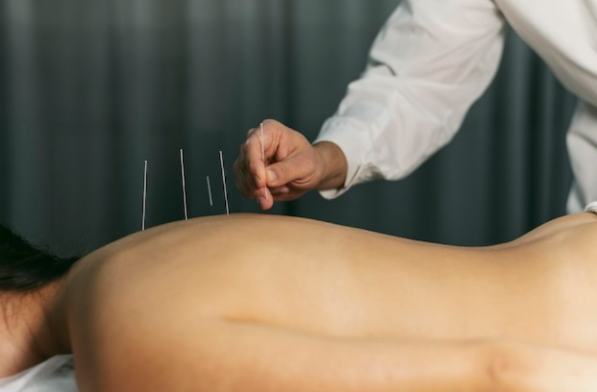
Muscle tightness, recurring soreness, and restricted movement can make everyday activities uncomfortable. Spending long hours sitting, repetitive movements, physically demanding work, and exercise can all contribute to muscle-related discomfort. When these problems continue, reaching, bending, walking, or returning to favorite activities may become more difficult.
Physical Therapy Advantage recognizes that muscle discomfort can affect people in different ways. For individuals searching for Dry needling near me, understanding how this treatment works and when it may be appropriate can help them explore their options. Dry needling is a technique that may be included in a broader physical therapy programme to address selected muscle and movement concerns.
Understanding What Dry Needling Involves
Dry needling is a treatment technique in which a trained healthcare professional uses a thin, solid needle to target selected muscles or sensitive areas known as myofascial trigger points. These areas may feel tight or tender and can sometimes contribute to discomfort in nearby or other parts of the body.
The term "dry" means that the needle does not inject medication or another substance. Instead, the needle provides a physical stimulus to the targeted tissue.
A practitioner selects the treatment area based on an individual's symptoms and physical assessment. The technique may be used to address muscle-related discomfort, restricted movement, or certain movement limitations.
Dry needling is not the same as acupuncture. Although both techniques involve thin needles, they have different approaches, training considerations, and treatment frameworks.
Why People Consider Dry Needling
People may explore dry needling when muscle discomfort or tightness interferes with their normal activities. It may be considered as one part of a treatment plan when an evaluation identifies relevant muscle-related concerns.
Some common reasons people ask about this technique include:
-
Persistent muscle tightness in the neck or shoulders.
-
Back discomfort associated with muscle tension.
-
Restricted movement around the hips or legs.
-
Muscle soreness following repetitive physical activity.
-
Certain sports-related muscle concerns.
-
Tender areas that affect comfortable movement.
-
Difficulty returning to normal activities after an injury.
Not everyone with muscle pain is a suitable candidate. Similar symptoms can have different causes, and dry needling may not address the underlying problem in every situation.
A proper evaluation helps determine whether the technique is appropriate or whether another treatment approach would be more suitable.
How Dry Needling May Support Muscle Function
Muscles help the body perform almost every movement, from maintaining posture to lifting objects and walking. When certain muscle areas become sensitive or difficult to move comfortably, normal activities may require additional effort.
Dry needling is intended to stimulate selected tissues and may help reduce certain types of muscle-related discomfort. Some individuals also experience changes in muscle tightness or range of motion after treatment.
However, results vary. Dry needling should not be viewed as a guaranteed solution or a replacement for addressing the factors contributing to a movement problem.
A physical therapist may combine it with other approaches, such as strengthening exercises, stretching, mobility training, and movement education. This broader approach helps connect treatment with practical activities and individual goals.
What Happens During a Dry Needling Assessment?
Before beginning treatment, a qualified practitioner should understand the individual's symptoms, health history, and movement limitations. An assessment helps determine whether dry needling is suitable and which areas may require attention.
The appointment may include:
Discussion of symptoms: The practitioner asks where discomfort occurs, how long it has been present, and which activities make it better or worse.
Health history: Previous injuries, surgeries, medications, medical conditions, and other relevant factors are reviewed.
Movement assessment: The practitioner may examine posture, muscle strength, joint mobility, flexibility, and movements related to the person's concerns.
Muscle examination: Selected areas may be examined for tenderness, tightness, or sensitivity.
Treatment planning: The practitioner explains whether dry needling may be appropriate, what it involves, and whether other treatment methods should be included.
This assessment is important because the same symptom can have different causes. Treatment should be based on individual findings rather than simply targeting the area where discomfort is felt.
What to Expect During a Dry Needling Session
If dry needling is considered appropriate, the practitioner explains the procedure and obtains informed consent before treatment.
The treatment area is prepared using appropriate hygiene and infection-control procedures. A sterile, single-use needle is then inserted into the selected tissue using a technique suited to the treatment plan.
The sensation varies from person to person. Some people notice a small prick, pressure, or brief muscle twitch. Others may experience temporary discomfort or soreness around the treated area.
The number of needles and treatment duration depend on the individual's needs and the practitioner's assessment. Patients should be encouraged to communicate throughout the session if they feel uncomfortable or have questions.
After the procedure, the practitioner may reassess movement or discuss how the treated area feels. They may also recommend appropriate exercises or activity adjustments.
Possible Benefits of Dry Needling
Dry needling may offer benefits for some people with selected musculoskeletal concerns. Its potential effects depend on the condition being treated, the treatment approach, and the individual's response.
Possible benefits may include:
Reduced muscle-related discomfort: Some individuals experience short-term relief in sensitive or tight muscle areas.
Changes in movement comfort: Reduced discomfort may make certain movements easier to perform.
Improved range of motion: Some people notice that a previously restricted movement feels more comfortable after treatment.
Support for rehabilitation: When used alongside exercise and other physical therapy methods, dry needling may contribute to a broader recovery plan.
It is important to keep expectations realistic. Research findings vary across conditions, and dry needling does not produce the same results for everyone. A practitioner should explain why the technique is being considered and how its usefulness will be evaluated.
Understanding Possible Side Effects and Precautions
Dry needling involves inserting a needle through the skin, so it has potential side effects. Temporary muscle soreness is among the more common reactions. Some individuals may also experience minor bleeding, bruising, stiffness, fatigue, or lightheadedness.
More serious complications are uncommon but possible. Needling around the chest and upper back, for example, carries a rare risk of pneumothorax, which is a collapsed lung and requires urgent medical attention.
A practitioner should review relevant health information before treatment. People who are pregnant, take blood-thinning medication, have a bleeding disorder, have an infection near the treatment area, or have certain medical conditions should discuss their circumstances with an appropriate healthcare professional before considering the procedure.
Individuals should also mention needle anxiety, recent surgery, immune-system concerns, or any other condition that could affect treatment decisions.
Safety depends on proper training, sterile equipment, anatomical knowledge, careful technique, and appropriate patient screening.
Dry Needling and the Importance of Therapeutic Exercise
Dry needling is generally more useful as part of a wider rehabilitation strategy than as a standalone treatment. Even when muscle discomfort improves, the factors contributing to the problem may still need attention.
For example, someone experiencing recurring shoulder tightness may also have limitations in strength, mobility, posture, or movement control. Addressing only the tight area may not fully support the person's long-term functional goals.
A physical therapy programme may include:
-
Strengthening exercises for relevant muscle groups.
-
Stretching and mobility activities.
-
Movement-control training.
-
Posture and activity education.
-
Gradual return to exercise or daily responsibilities.
-
A home exercise programme based on individual needs.
These activities help connect treatment with the movements a person wants to perform more comfortably. The practitioner can adjust the programme according to progress and tolerance.
Choosing a Qualified Provider for Dry Needling Near Me
Finding a suitable provider involves more than choosing a location that offers the technique. Training, professional qualifications, communication, and patient safety should all be considered.
When researching Dry needling near me, useful questions include:
-
Is the practitioner licensed and appropriately trained in dry needling?
-
Will my condition be evaluated before treatment?
-
What are the possible benefits and risks for my situation?
-
How will the practitioner determine which muscles to treat?
-
Will dry needling be combined with exercises or other rehabilitation methods?
-
What side effects should I expect after the session?
-
How will treatment progress be evaluated?
A qualified practitioner should explain the procedure in understandable terms and respect the individual's comfort and consent. Patients should never feel pressured to receive a treatment they do not understand or want.
Physical Therapy Advantage recognizes the importance of discussing individual movement concerns and understanding available treatment options before beginning a rehabilitation programme.
Maintaining Comfort Between Treatment Sessions
Everyday habits can influence how muscles feel and function. Long periods in one position, sudden increases in exercise, repetitive movements, and inadequate recovery may contribute to discomfort for some individuals.
A practitioner may recommend simple adjustments based on the person's needs.
Helpful habits can include:
-
Taking movement breaks during extended periods of sitting.
-
Following a suitable stretching or mobility routine.
-
Increasing physical activity gradually.
-
Using appropriate techniques when lifting objects.
-
Allowing sufficient recovery after demanding activity.
-
Following the recommended home exercise programme.
These habits do not replace professional assessment, but they may help support a more consistent approach to movement and physical activity.
If discomfort continues, becomes more severe, or is accompanied by unusual symptoms, seek appropriate medical guidance rather than relying on repeated treatment sessions without reassessment.
Conclusion: Make an Informed Choice About Muscle Care
Muscle tightness and discomfort can affect daily movement, exercise, and the ability to complete familiar activities. Dry needling may be an option for certain muscle-related concerns when a qualified practitioner determines that it is appropriate.
For individuals searching for Dry needling near me, understanding the procedure, possible side effects, and role of rehabilitation is an important part of making an informed decision. A thorough assessment and an individualized treatment plan can help ensure that care reflects personal needs and goals.
Physical Therapy Advantage recognizes that improving movement involves more than addressing one uncomfortable muscle. With appropriate professional guidance, suitable exercises, and a balanced rehabilitation approach, individuals can work toward better movement comfort and greater confidence in their everyday activities.

 English
 Arabic
 French
 Spanish
 Portuguese
 Deutsch
 Turkish
 Dutch
 Russian
 Romaian
 Portuguese (Brazil)
 Greek
