

Skin Tag Removal in UK: Which Removal Methods May Be Suitable for Different Skin Tags?
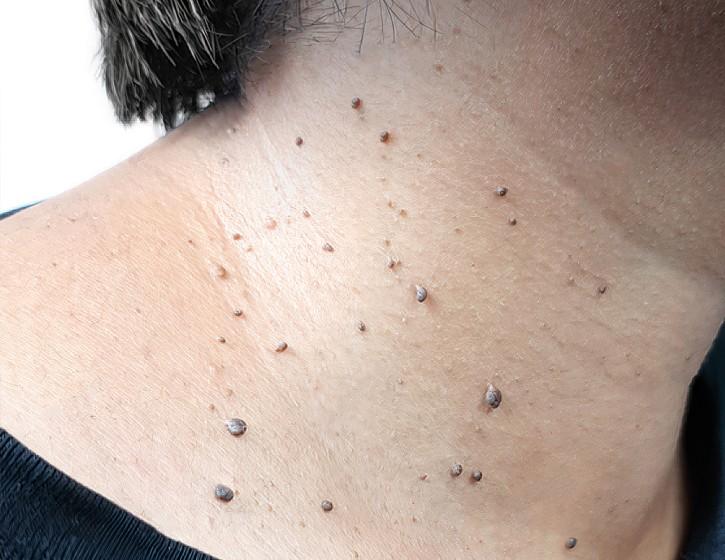
Skin tags are small, soft growths that commonly develop on areas where the skin rubs against itself or clothing. They often appear around the neck, underarms, eyelids, groin, and other skin folds. Although skin tags are generally harmless, they can sometimes become uncomfortable, catch on jewellery, interfere with shaving, or cause cosmetic concerns. Understanding the different removal methods can help individuals make informed decisions about their skin health.
Choosing an appropriate removal technique depends on several factors, including the size, location, shape, and number of skin tags. A clinician may also consider whether the growth has the typical appearance of a skin tag or requires further assessment before removal. Not every skin growth that looks like a skin tag is necessarily one, making professional evaluation an important first step.
For people considering Skin Tag Removal In UK, understanding the available techniques can help them prepare for a consultation and discuss the most suitable approach with a qualified healthcare professional. This guide explores common removal methods, the characteristics of different skin tags, and what patients may expect during the treatment process.
What Are Skin Tags and Why Do They Develop?
Skin tags, medically known as acrochordons, are small, benign growths consisting of skin and supporting tissue. They may appear as soft, flesh-coloured or slightly darker projections attached to the skin by a narrow stalk or a broader base.
Their exact cause is not always clear, but friction is considered an important contributing factor. This explains why they frequently develop in areas where skin repeatedly rubs against skin or clothing.
Common locations include the neck, armpits, eyelids, beneath the breasts, and groin. Skin tags may also become more noticeable with age, and some people develop multiple growths over time.
Most skin tags do not require treatment for medical reasons. However, removal may be considered when a growth repeatedly catches on clothing, becomes irritated, affects comfort, or causes cosmetic concern. The appropriate method should be selected following an assessment rather than solely on appearance.
Which Factors Influence the Choice of Skin Tag Removal Method?
There is no single removal technique that is suitable for every skin tag. A clinician will usually consider several characteristics before recommending a procedure.
Size and Shape of the Skin Tag
Small skin tags with narrow stalks may be suitable for simple removal techniques, such as sterile snip excision. Larger growths or those with a wider attachment may require a different approach.
The shape and thickness of a growth can also influence how easily it can be removed. A clinician assesses these features to determine the most appropriate technique and whether local anaesthetic may be needed.
Location on the Body
The position of a skin tag is another important consideration. A small growth on the neck may be straightforward to assess and remove, whereas one close to the eyelid requires particular care because of the delicate surrounding structures.
Skin tags in areas exposed to repeated friction, such as the underarms or groin, may need an approach that considers movement, moisture, and clothing contact during healing.
Number of Skin Tags
Some people have a single growth, while others develop several in the same area. The number of skin tags can influence the treatment plan, appointment length, and whether removal is completed in one session or across multiple visits.
A clinician may also examine the surrounding skin to determine whether every growth has the typical appearance of a skin tag.
Skin Characteristics and Medical History
Skin tone, healing history, existing skin conditions, medication use, and previous reactions to procedures may all be relevant. These details help the clinician plan treatment and provide appropriate aftercare advice.
The final decision should balance the characteristics of the growth with the patient's preferences and individual circumstances.
Common Skin Tag Removal Methods and Their Uses
Several clinical techniques may be considered for removing skin tags. The choice depends on the assessment findings, the equipment available, and the clinician's judgement.
1. Snip Excision
Snip excision involves removing a skin tag using sterile surgical scissors or another appropriate cutting instrument. The area may be cleaned and, when indicated, numbed with a local anaesthetic before the procedure.
This method is often considered for small skin tags, particularly those attached by a narrow stalk. It allows the clinician to remove the growth directly and assess the resulting wound.
The size and depth of the attachment influence how the procedure is performed. A wider-based growth may require a different technique, and the clinician will determine whether the removed tissue should be sent for laboratory examination.
Following treatment, the area is cleaned and covered when appropriate. Patients receive instructions on keeping the site clean and monitoring its healing.
2. Cryotherapy
Cryotherapy uses controlled freezing, commonly with liquid nitrogen, to destroy selected skin tissue. It is used for certain benign skin lesions, and a clinician may consider it for some skin tags.
The suitability of freezing depends on the growth's size, location, and characteristics. It may not be the preferred method for every skin tag, especially where precise removal or tissue examination is important.
After treatment, the area may change in appearance before healing. The clinician explains what changes to expect and whether further assessment or treatment may be necessary.
Cryotherapy should be performed by an appropriately trained professional who can confirm that the lesion is suitable for this approach.
3. Electrosurgery or Electrocautery
Electrosurgery uses electrical energy to treat tissue, while electrocautery involves applying heat through an instrument. These terms describe related but distinct techniques.
A clinician may consider an appropriate heat-based method for selected skin tags, depending on their size, attachment, and location. The technique can help remove or destroy the targeted tissue under controlled conditions.
Treatment planning includes considering the surrounding skin and the expected healing process. The clinician will explain how the area should be cared for afterwards and whether a dressing is necessary.
This method is not automatically preferable to excision or cryotherapy. Its suitability depends on the individual lesion and the practitioner's clinical assessment.
4. Surgical Excision
Surgical excision involves cutting out a growth using a suitable instrument. Although simple snip excision is also a form of excision, a more involved surgical approach may be considered for selected larger or broader-based lesions.
The procedure may require local anaesthetic. Depending on the size and depth of the resulting wound, stitches may or may not be necessary.
Surgical removal can be useful when the clinician needs to remove a growth in a controlled manner or obtain tissue for further examination. If a lesion does not have the typical appearance of a skin tag, the priority is to establish the correct diagnosis before deciding on treatment.
Patients should receive clear information about wound care and whether a follow-up appointment is recommended.
Which Removal Methods May Suit Different Types of Skin Tags?
The following examples illustrate how clinicians may approach different presentations. They are general guides rather than fixed treatment rules.
Small Skin Tags with a Narrow Stalk
A small, soft growth attached by a narrow stalk may be suitable for snip excision. The clinician can assess its attachment and determine whether local anaesthetic is appropriate.
Other techniques may be considered depending on the location and clinical circumstances.
Larger Skin Tags with a Broad Base
A larger growth with a broad attachment may require a more carefully planned procedure. Excision or another suitable clinical technique may be considered after examining its depth and appearance.
The clinician may also decide whether the tissue should be submitted for laboratory analysis, particularly if there is uncertainty about the diagnosis.
Skin Tags Around the Eyelids
Growths near the eyelids require particular attention because the surrounding skin is delicate and close to the eye. Patients should not attempt to remove these growths at home.
A qualified clinician can assess the lesion and determine whether removal is appropriate in a suitable clinical setting or whether specialist assessment is needed.
Multiple Skin Tags on the Neck or Underarms
People with several skin tags may benefit from an individual treatment plan. The clinician considers the number of growths, their size, and the sensitivity of the area before deciding how to proceed.
Depending on the findings, multiple growths may be treated during one appointment or over more than one session.
Growths That Do Not Look Like Typical Skin Tags
Not every small projection or raised skin mark is a skin tag. Warts, moles, seborrhoeic keratoses, and other skin lesions can sometimes look similar.
A growth that changes rapidly, develops unusual colouring, bleeds without an obvious reason, or forms a persistent sore should be assessed before any removal is attempted. The clinician may recommend further examination or a biopsy if the diagnosis is uncertain.
What Happens During a Skin Tag Removal Consultation?
A consultation usually begins with a discussion of the patient's concerns, including whether the growth causes discomfort, catches on clothing, or affects appearance.
The clinician examines the lesion, considering its size, shape, colour, attachment, and location. They may ask when it first appeared and whether it has changed over time. Medical history, current medicines, allergies, and previous healing experiences may also be relevant.
Once the assessment is complete, the clinician explains the available options and recommends an appropriate approach. Patients can ask about the procedure, expected healing time, aftercare, possible cosmetic outcomes, and the overall cost.
If the growth does not appear to be a typical skin tag, removal may be postponed until further assessment establishes the diagnosis. This helps ensure that the treatment plan addresses the correct type of lesion.
Stitches and Wound Care After Skin Tag Removal
Aftercare depends on the technique used and the size of the treated area. Small wounds may heal without stitches, while a more involved excision may require sutures.
Understanding Stitches And Wound Care In UK is particularly helpful for patients undergoing procedures that leave a surgical wound. Following the clinician's instructions can support healing and help patients recognise when additional advice may be needed.
Keeping the Treated Area Clean
Patients should follow the specific cleaning instructions provided by their clinician. Depending on the procedure, this may involve gentle washing, keeping the area dry for a recommended period, or applying a suitable dressing.
Avoid rubbing the site or using unapproved products that could irritate the healing skin.
Protecting the Wound During Healing
Clothing, jewellery, shaving, and repetitive movement can irritate some treatment sites. Where practical, patients should minimise unnecessary friction and change dressings according to the instructions they receive.
If stitches have been used, the clinician will explain whether they need to be removed or will dissolve naturally.
Knowing When to Seek Advice
Patients should contact their healthcare provider if they notice increasing redness, worsening pain, swelling, discharge, persistent bleeding, or other unexpected changes. Prompt assessment can help determine whether the wound needs additional care.
Healing times vary according to the location, removal technique, and individual skin characteristics.
When Is Lump Removal in the UK a More Appropriate Consideration?
Some growths are mistaken for skin tags but may actually be cysts, lipomas, enlarged skin lesions, or other types of lumps. These conditions can require different investigations and treatment methods.
Lump Removal In UK may involve an assessment to identify the nature of the growth before a treatment plan is selected. For example, a lump beneath the skin may require a different procedure from a small growth attached to the skin's surface.
Patients should arrange an assessment for a new or unexplained lump, particularly if it is growing, painful, firm, fixed in place, Lump Removal In UK or otherwise changing. A clinician may recommend further investigation or referral rather than immediate removal.
Accurate diagnosis is important because the most appropriate treatment depends on what the growth actually is, not simply how it looks.
How to Prepare for a Skin Tag Removal Appointment
A little preparation can help patients make the most of their consultation.
Before attending, consider noting when the skin tag appeared, whether it has changed, and whether it causes discomfort. Bring relevant information about medicines, allergies, medical conditions, and previous procedures.
Patients should avoid cutting, tying off, burning, or applying harsh removal products to the growth before the appointment. These approaches can injure the skin and make subsequent assessment more difficult.
It is also useful to ask the clinician about the recommended method, whether local anaesthetic is required, the likely healing period, and the aftercare arrangements.
Conclusion
The most suitable skin tag removal method depends on the growth's size, shape, location, attachment, and clinical appearance. Snip excision, cryotherapy, electrosurgery, and surgical excision may all have a role in selected cases, but no single technique is appropriate for every patient.
For those considering Skin Tag Removal In UK, a professional assessment provides an opportunity to confirm the diagnosis, compare available methods, and understand what to expect during healing. Extra care may be needed for growths around the eyelids, larger lesions, or marks that do not have the typical appearance of skin tags.
Choosing an appropriate clinical service also helps patients receive clear guidance on wound care, follow-up, and when further assessment may be needed. With an individualised approach, patients can make informed decisions based on their skin concerns and personal circumstances.
Frequently Asked Questions
1. What is the most suitable method for skin tag removal?
The appropriate method depends on the skin tag's size, shape, location, and attachment. Snip excision, cryotherapy, electrosurgery, or surgical excision may be considered following a clinical assessment.
2. Can all skin tags be removed using the same technique?
No. Small skin tags with narrow stalks may be suitable for a different method from larger or broad-based growths. The clinician selects a technique according to the individual lesion.
3. Is skin tag removal available in the UK?
Skin tag removal is available through suitable healthcare providers in the UK. Patients should check that the provider offers the relevant procedure and that the clinician is appropriately qualified to assess and treat the growth.
4. Does skin tag removal require stitches?
Not always. Many small skin tags can be removed without stitches. A larger excision may require sutures, depending on the size and depth of the wound.
5. How long does the skin take to heal after removal?
Healing time varies according to the removal method, the location of the skin tag, and individual healing characteristics. The clinician can provide a more specific estimate after examining the area.
6. Can skin tags near the eyes be removed?
Some growths around the eyelids can be treated, but this area requires particular care. A qualified clinician should assess the lesion and determine whether treatment in a suitable setting or specialist referral is appropriate.
7. Should I remove a skin tag at home?
It is best to avoid cutting, tying off, burning, or applying harsh chemicals to skin tags yourself. These methods can cause injury and may be unsuitable if the growth has not been correctly identified.
8. What is the difference between skin tag removal and lump removal?
Skin tag removal usually involves treating a small growth attached to the skin's surface. Lump removal may involve growths beneath the skin, such as cysts or lipomas, which can require a different assessment and procedure.
9. When should a skin growth be assessed before removal?
Seek professional assessment if a growth changes rapidly, bleeds unexpectedly, develops unusual colouring, becomes persistently sore, or does not resemble a typical skin tag. The clinician can determine whether further investigation is necessary.
10. What should I ask during a skin tag removal consultation?
Ask which removal method is suitable, whether local anaesthetic is needed, what the expected healing period is, whether stitches may be required, how to care for the area, and what the procedure will cost.

 English
 Arabic
 French
 Spanish
 Portuguese
 Deutsch
 Turkish
 Italiano
 Russian
 Romaian
 Portuguese (Brazil)
 Greek
