

Brow Lift Surgery Dubai: Exploring Different Techniques
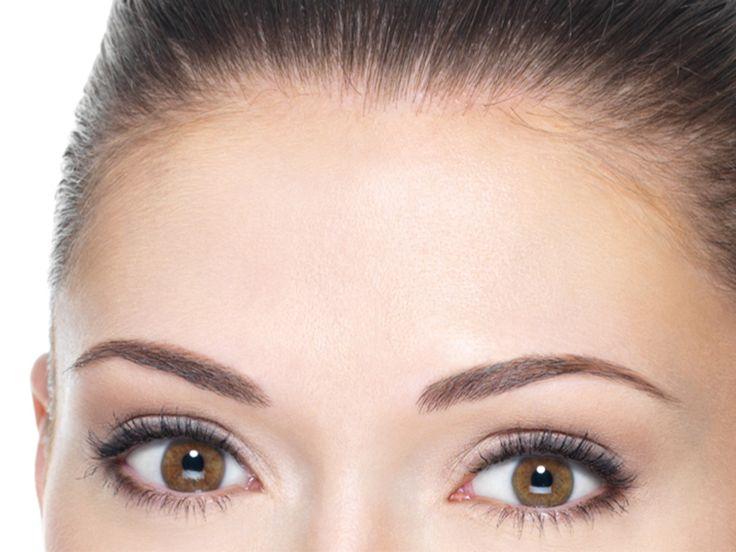
The position and shape of the eyebrows play an important role in overall facial appearance. Over time, changes in skin elasticity and underlying tissues can cause the brows to descend, sometimes creating a tired or heavy expression. Brow lift surgery is designed to address these concerns by repositioning the eyebrows and improving the balance of the upper face.
When considering Brow Lift Surgery Dubai, understanding the different surgical techniques can help you prepare for a consultation and discuss suitable options. Each method has its own approach, incision placement, potential benefits, and limitations. The most appropriate technique depends on your facial anatomy, aesthetic goals, and the degree of correction required.
What Is Brow Lift Surgery?
Brow lift surgery, also known as a forehead lift, is a cosmetic procedure that raises or repositions the eyebrows by adjusting the tissues of the forehead. It may also soften certain forehead lines and frown lines, depending on the technique used.
The goal is to create a balanced, refreshed appearance while preserving natural facial expressions. A successful treatment plan considers the relationship between the eyebrows, eyelids, forehead, and hairline rather than focusing on brow height alone.
Different Brow Lift Surgery Techniques in Dubai
Several techniques are available, and each may be appropriate for different patients.
Endoscopic Brow Lift
An endoscopic brow lift uses a small camera and specialised instruments inserted through several small incisions, usually hidden within the hair-bearing scalp. The surgeon adjusts the underlying tissues to reposition the eyebrows.
Potential advantages include smaller incisions and less visible scarring compared with some traditional approaches. However, suitability depends on factors such as brow descent, skin characteristics, and the amount of correction required.
Recovery varies by individual, and temporary swelling, bruising, or numbness may occur.
Coronal Brow Lift
A coronal brow lift uses a longer incision across the scalp, typically placed behind the hairline. Through this incision, the surgeon can access and adjust the forehead tissues.
This approach may be considered for selected patients who require more extensive correction. However, it can be less suitable for some people with a high hairline or concerns about changes in scalp sensation. The incision location and potential effect on hairline appearance should be discussed before surgery.
Temporal Brow Lift
A temporal brow lift, sometimes called a lateral brow lift, focuses primarily on the outer portion of the eyebrows. Incisions are generally placed within the temple area or hair-bearing scalp, depending on the technique.
This option may suit individuals whose main concern is descent of the outer brow rather than the entire eyebrow. It can help improve the appearance of the outer eye area, but it may not address central brow concerns as effectively as a more comprehensive approach.
Direct Brow Lift
A direct brow lift involves an incision positioned close to or immediately above the eyebrow. The surgeon removes a measured amount of skin and adjusts the brow position.
This technique allows direct correction and may be considered in selected cases, including situations where precise brow elevation is needed. However, the resulting scar can be more visible than with techniques that place incisions in the scalp. Careful discussion of scar placement is essential.
How Do Surgeons Choose the Right Technique?
Selecting a brow lift method involves more than deciding how high the eyebrows should sit. A surgeon assesses several individual characteristics before recommending a procedure.
Brow Position and Facial Anatomy
The surgeon evaluates the height, shape, and symmetry of the eyebrows, along with their relationship to the upper eyelids. Some patients have more noticeable descent at the outer brow, while others experience changes across the entire forehead.
These differences can influence whether a focused or more comprehensive lift is appropriate.
Skin Elasticity and Forehead Lines
Skin quality and the condition of the underlying tissues can affect the surgical approach. Forehead wrinkles and frown lines may also be considered during planning, although a brow lift does not eliminate every type of facial wrinkle.
Hairline and Hair Density
The position of the hairline and the density of scalp hair can influence incision placement. For example, certain techniques may be less suitable for people who are concerned about a high hairline or existing hair thinning.
A personalised assessment helps the surgeon weigh the possible benefits and limitations of each approach.
Desired Results
Some individuals want a subtle improvement in the outer eyebrows, while others seek broader forehead rejuvenation. Communicating your goals clearly helps the surgeon recommend a technique that supports a natural-looking result without excessive elevation.
What Happens During the Brow Lift Procedure?
The exact process depends on the selected technique and the surgical plan. Before treatment, the surgeon reviews your medical history, examines the forehead and brow area, and explains the expected outcome.
On the day of surgery, the treatment area is prepared, and the appropriate anesthesia is administered. The surgeon makes the planned incisions, adjusts the tissues, and secures the eyebrows in the intended position. The incisions are then closed.
The procedure may be performed under general anesthesia or, in selected circumstances, another appropriate anesthesia plan. The choice depends on the technique, patient factors, and the surgeon's clinical judgement.
Recovery After Brow Lift Surgery
Recovery differs depending on the procedure and individual healing response. Swelling, bruising, tightness, and temporary changes in sensation can occur during the early healing period.
The First Few Days
Rest and follow the post-operative instructions provided by your surgical team. Keeping your head elevated may help manage swelling when recommended. Avoid strenuous activities and do not apply pressure to healing incisions.
The First Few Weeks
Bruising and swelling generally improve gradually, although the timeline varies. Attend follow-up appointments so the surgical team can monitor healing and advise when you can return to normal activities.
Long-Term Healing
Incisions continue to mature over time, and the final appearance may take several months to settle. Scar visibility depends on the technique, incision location, individual healing, and hair characteristics.
Contact your surgical team promptly if you experience increasing pain, spreading redness, fever, unusual discharge, sudden vision changes, or other concerning symptoms.
Benefits and Potential Risks of Different Techniques
A brow lift may improve brow position, reduce the appearance of a heavy brow, and create a more refreshed upper-face appearance. The degree of improvement depends on the technique and individual anatomy.
However, all surgical approaches carry risks. These may include bleeding, infection, scarring, asymmetry, changes in sensation, hair loss near incisions, and dissatisfaction with the result. Temporary or, less commonly, persistent nerve-related effects may also occur.
Discuss the risks specific to your recommended technique and ask how complications would be managed. Understanding both the benefits and limitations helps you make a well-informed decision.
Frequently Asked Questions
Which brow lift technique is best?
There is no single best technique for everyone. The right option depends on brow position, forehead anatomy, hairline characteristics, skin quality, and the degree of correction needed.
Is an endoscopic brow lift less invasive?
An endoscopic approach uses smaller incisions than some traditional techniques. However, it is still surgery and carries potential risks. Smaller incisions do not guarantee a complication-free procedure or faster recovery for every patient.
Does a temporal brow lift raise the entire forehead?
A temporal brow lift mainly targets the outer brow. It may not provide the same degree of central brow elevation as a more comprehensive brow lift.
Will brow lift surgery leave scars?
All surgical incisions can leave scars. Their visibility depends on the technique, incision location, healing response, and other individual factors. Your surgeon can explain where scars are likely to be placed.
How long do brow lift results last?
Results can last for years, but natural ageing continues. Skin quality, genetics, lifestyle, and the original surgical technique can influence how the results change over time.
Final Thoughts
Exploring different brow lift techniques is an important step toward choosing an approach that suits your facial structure and aesthetic goals. Endoscopic, coronal, temporal, and direct brow lifts differ in incision placement, treatment focus, and potential limitations. A thorough consultation can help you understand which options are appropriate, what recovery may involve, and which risks deserve particular attention.
If you are considering Brow Lift Surgery Dubai, TAJMEELS CLINIC can be a starting point for discussing your concerns and learning about available treatment options. Speak with a qualified surgeon to receive an individual assessment, understand the recommended technique, and make a decision based on realistic expectations and your personal needs.
For More Details, Contact Us Through:
WhatsApp: +971 56 203 8751
Phone: +971 4 373 9000
Social Media:

 English
 Arabic
 French
 Spanish
 Portuguese
 Deutsch
 Turkish
 Dutch
 Italiano
 Russian
 Portuguese (Brazil)
 Greek
