

Peppermint Oil for Hair Growth: Benefits and Best Ways to Use
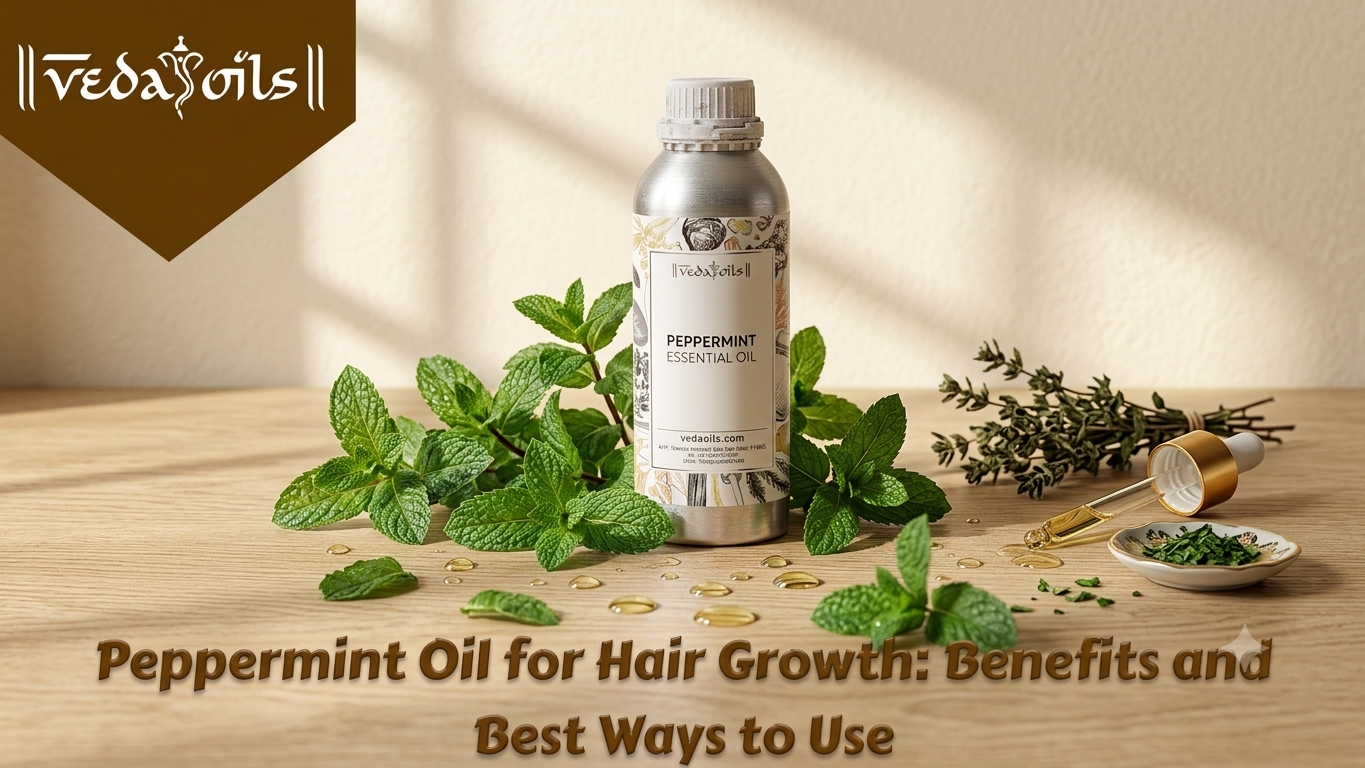
Healthy, strong, and shiny hair starts with a consistent hair care routine. Along with regular cleansing and conditioning, natural oils can help maintain a healthy scalp and improve the overall appearance of your hair. Peppermint oil is a popular essential oil known for its refreshing aroma and cooling sensation, making it a common ingredient in hair care products and scalp massage blends.
When used correctly and diluted with a suitable carrier oil, peppermint oil may support scalp care and help create a refreshing hair care experience. In this blog, we will explore its potential benefits, the best ways to use it, and important precautions to follow.
What Is Peppermint Oil?
Peppermint oil is an essential oil extracted from the leaves of the peppermint plant (Mentha piperita). It contains menthol, a natural compound responsible for its characteristic cooling sensation and fresh fragrance.
Peppermint oil is widely used in aromatherapy, personal care products, shampoos, and scalp massage blends. Its refreshing properties make it an appealing addition to hair care routines. However, research on its ability to promote human hair growth is still limited, so it should not be considered a proven treatment for hair loss.
Benefits of Peppermint Oil for Hair Growth
1. Supports a Refreshing Scalp Care Routine
Peppermint oil creates a cooling sensation when applied to the scalp in a properly diluted formula. This can make scalp massage feel refreshing and comfortable. Regular scalp care, combined with gentle cleansing, can help maintain a clean and well-cared-for scalp.
2. May Support Scalp Circulation
The menthol in peppermint oil produces a cooling sensation and may influence blood flow locally. Some animal research has explored peppermint oil's potential effects on hair growth, but more high-quality human studies are needed to establish whether it meaningfully improves scalp circulation or hair growth in people.
3. Helps Improve the Hair Care Experience
The fresh, minty fragrance of peppermint oil can make homemade hair care blends feel invigorating. When added to a suitable carrier oil, it can be used for a gentle scalp massage as part of a regular hair care routine.
4. May Help Maintain Scalp Freshness
Peppermint oil is often included in cleansing and refreshing personal care formulations. Its aroma and cooling effect can contribute to a fresh-feeling scalp. However, it should not replace treatments for persistent dandruff, itching, inflammation, or other scalp conditions.
5. Complements a Nourishing Hair Care Routine
Peppermint oil can be combined with carrier oils such as coconut oil, jojoba oil, or sweet almond oil. These carrier oils help dilute the essential oil and can condition the hair, reduce dryness, and improve softness. The conditioning benefits mainly come from the carrier oil rather than proven hair-growth effects of peppermint oil.
Best Ways to Use Peppermint Oil for Hair Growth
There are several ways to incorporate peppermint oil into your hair care routine. Always dilute it before applying it to your scalp.
1. Peppermint Oil and Coconut Oil
Coconut oil is commonly used to condition hair and reduce protein loss from the hair shaft. Combining it with diluted peppermint oil creates a simple scalp massage blend.
How to use:
-
Take 1 tablespoon of coconut oil.
-
Add 1 drop of peppermint essential oil to start with.
-
Mix thoroughly.
-
Apply a small amount to the scalp and massage gently.
-
Leave it on briefly if comfortable, then wash it out with shampoo.
Avoid increasing the concentration if you do not notice a cooling sensation. More peppermint oil does not necessarily mean better results.
2. Peppermint Oil and Jojoba Oil
Jojoba oil is a lightweight oil commonly used in scalp and hair care products. It can help soften the hair and make a diluted peppermint oil blend easier to spread.
How to use:
-
Take 1 tablespoon of jojoba oil.
-
Add 1 drop of peppermint oil.
-
Mix the ingredients well.
-
Massage gently into the scalp.
-
Wash out if irritation occurs or if the blend feels uncomfortable.
This combination may suit people who prefer a lighter-feeling oil blend.
3. Peppermint Oil in Your Hair Care Products
Peppermint oil can be used in properly formulated shampoos and conditioners designed for scalp care. Instead of adding essential oil directly to an entire bottle of commercial shampoo, choose a product formulated with appropriate ingredients and concentrations.
A professionally formulated product offers better control over the distribution and concentration of the essential oil.
4. Peppermint Oil for Scalp Massage
Scalp massage can be a relaxing addition to your hair care routine. A diluted peppermint oil blend may enhance the refreshing sensation during massage.
How to use:
-
Prepare a diluted blend using a carrier oil.
-
Apply a small quantity to the scalp.
-
Massage gently with your fingertips for a few minutes.
-
Avoid scratching or applying excessive pressure.
-
Wash your scalp as needed.
Massage should be gentle, especially if your scalp is sensitive or irritated.
How Often Should You Use Peppermint Oil for Hair?
Start with occasional use, such as once a week, to see how your scalp responds. If the diluted blend is well tolerated, you can adjust your routine based on your hair type and product instructions.
Avoid applying undiluted peppermint oil directly to the scalp or using it excessively. Stop using it if you experience burning, redness, itching, or discomfort. If you have persistent hair thinning or noticeable hair loss, consult a dermatologist to identify the underlying cause.
Precautions When Using Peppermint Oil on Hair
Although peppermint oil is popular in personal care, its concentrated form can irritate the skin if used incorrectly. Follow these precautions for safer use:
-
Always dilute it: Never apply undiluted peppermint essential oil directly to your scalp.
-
Perform a patch test: Test a small amount of the diluted blend on a small area of skin and observe for a reaction.
-
Avoid the eyes: Keep the oil away from your eyes, nose, and other sensitive areas.
-
Do not apply to damaged skin: Avoid use on broken, inflamed, or irritated skin.
-
Keep it away from children: Peppermint essential oil can be harmful if swallowed and requires careful storage.
-
Seek professional advice when needed: Consult a healthcare professional before use if you have a scalp condition or concerns about using essential oils.
A patch test can help identify some reactions, but it cannot guarantee that irritation or an allergic reaction will not occur later.
Why Choose Peppermint Oil from VedaOils?
Choosing a suitable essential oil is an important part of building a hair care routine. VedaOils offers a range of essential oils and carrier oils for personal care, DIY formulations, and aromatherapy applications.
When exploring peppermint oil from VedaOils, review the product details, recommended applications, and usage instructions to select an option that suits your needs. Pairing peppermint essential oil with a suitable carrier oil can help you prepare a diluted blend for scalp massage.
Whether you are creating a simple hair oil blend or exploring natural personal care ingredients, use essential oils responsibly and follow appropriate dilution guidelines.
Conclusion
Peppermint oil can be a refreshing addition to a hair care routine, particularly when diluted with coconut oil, jojoba oil, or another suitable carrier oil. It may improve the scalp massage experience and complement regular scalp care, but strong clinical evidence supporting peppermint oil as a hair-growth treatment in humans is currently lacking.
For best results, focus on gentle scalp care, balanced nutrition, and a consistent hair care routine. Choose quality ingredients, follow safe dilution practices, and consult a dermatologist if you experience persistent hair loss.
FAQs
1. Does peppermint oil help hair grow faster?
Some animal research suggests potential hair-growth effects, but there is insufficient high-quality human evidence to confirm that peppermint oil makes hair grow faster.
2. Can I apply peppermint oil directly to my scalp?
No. Peppermint essential oil is concentrated and can cause irritation. Always dilute it with a suitable carrier oil or use a professionally formulated product.
3. Which carrier oils can I mix with peppermint oil?
Coconut oil, jojoba oil, and sweet almond oil are common options. Choose a carrier oil based on your hair's needs and your skin's tolerance.
4. How long should I leave peppermint oil in my hair?
There is no scientifically established duration for hair growth. Start with a brief application of a properly diluted blend, and wash it off immediately if you experience discomfort.
5. Can I use peppermint oil every day for hair growth?
Daily use is not necessary and may increase the risk of irritation. Start with occasional use and follow the instructions for your specific product.

 English
 Arabic
 French
 Spanish
 Deutsch
 Turkish
 Dutch
 Italiano
 Russian
 Romaian
 Portuguese (Brazil)
 Greek
