

10 Skin Problems Dermatologists Can Help You Solve
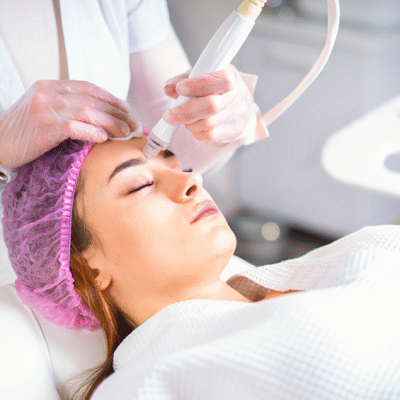
Healthy skin plays an important role in overall well-being, comfort, and confidence. However, skin concerns can develop at any age, ranging from occasional acne and dryness to persistent rashes, pigmentation, and changes in moles. While some problems improve with basic skincare, others require professional assessment to identify the underlying cause and prevent complications.
For people experiencing these concerns, consulting Dermatologists in Muscat can be a helpful step toward understanding their skin and finding suitable treatment options. Muscat's hot climate, strong sunlight, humidity, and frequent exposure to air conditioning can influence skin health, making sun protection, hydration, and appropriate skincare particularly important.
Dermatologists are medical professionals trained to diagnose and manage conditions affecting the skin, hair, and nails. They can recommend medications, skincare routines, and selected medical or cosmetic procedures based on an individual's needs.
Understanding which skin problems benefit from professional care can help people recognize when home remedies are no longer enough. Here are ten common skin concerns that dermatologists can help manage, along with practical advice on prevention and treatment.
1. Acne and Persistent Breakouts
Acne is one of the most common skin conditions affecting teenagers and adults. It develops when hair follicles become clogged with oil and dead skin cells, sometimes leading to inflammation and bacterial involvement. Symptoms may include blackheads, whiteheads, pimples, painful nodules, and cyst-like lesions.
Although acne is often associated with adolescence, it can continue into adulthood or develop later in life. Hormonal changes, genetics, certain medications, and skincare products may contribute to breakouts.
Dermatologists can assess the severity of acne and recommend suitable treatments. Depending on the condition, options may include topical retinoids, benzoyl peroxide, selected antibiotics, hormonal treatments, or oral medications for more severe cases. Treatment plans are tailored to the individual's skin type and medical history.
Early treatment can help reduce the likelihood of permanent scarring and persistent dark marks. Picking or squeezing pimples should be avoided because it may worsen inflammation and increase the risk of scarring.
For residents seeking dermatologists in Muscat, professional advice can be particularly useful when acne persists despite consistent skincare or begins affecting daily comfort and confidence.
2. Hyperpigmentation and Uneven Skin Tone
Hyperpigmentation occurs when certain areas of the skin become darker than the surrounding skin because of increased pigment production or distribution. It may appear as brown patches, dark spots, or marks left behind after inflammation.
Common causes include sun exposure, acne, hormonal changes, and skin irritation. Melasma, for example, often causes brown or gray-brown patches on the cheeks, forehead, or upper lip. Post-inflammatory hyperpigmentation may develop after acne, eczema, or another inflammatory skin condition.
A dermatologist can examine the affected areas and determine the likely cause of discoloration. Depending on the diagnosis, treatment may include topical ingredients such as azelaic acid, retinoids, or other prescription products. Selected chemical peels or laser treatments may be considered in appropriate cases.
Daily sun protection is especially important in Muscat, where strong sunlight can worsen some pigmentation problems. Broad-spectrum sunscreen with SPF 30 or higher, protective clothing, and shade can help reduce further sun-related damage.
Not every dark patch responds to the same treatment. A professional assessment helps prevent the use of unsuitable products that may cause irritation or make pigmentation more noticeable.
3. Eczema and Persistent Dry, Itchy Skin
Eczema refers to a group of inflammatory skin conditions that can cause dryness, itching, redness, scaling, and irritated patches. Atopic dermatitis is a common form that often occurs in people with sensitive skin or a personal or family history of allergic conditions.
Environmental factors, harsh soaps, fragrances, sweating, and changes in temperature may aggravate symptoms. In Muscat, exposure to hot weather outdoors and dry air from indoor cooling systems may contribute to discomfort for some individuals.
Dermatologists can help distinguish eczema from conditions such as fungal infections, contact dermatitis, and psoriasis, which may look similar but require different management.
Treatment often focuses on restoring the skin barrier and reducing inflammation. Depending on the diagnosis and severity, recommendations may include fragrance-free moisturizers, gentle cleansers, topical corticosteroids, or other prescription treatments.
Regular moisturizing, avoiding known irritants, and using lukewarm rather than excessively hot water can help support the skin barrier. Persistent itching, cracked skin, or recurring flare-ups warrant professional assessment, particularly if the affected areas become painful or show signs of infection.
4. Psoriasis and Scaly Skin Patches
Psoriasis is a chronic inflammatory condition that causes skin cells to build up more quickly than usual. This can lead to raised patches covered with scales, often appearing on the elbows, knees, scalp, or lower back. Some people also experience nail changes, itching, discomfort, or joint symptoms.
Psoriasis is not contagious. Its severity varies from person to person, and symptoms may improve and worsen over time. Genetics, infections, certain medications, stress, and other factors may contribute to flare-ups.
A dermatologist can assess the affected skin and determine whether the condition is psoriasis or another disorder with similar symptoms. Mild cases may be managed with moisturizers and prescribed topical treatments. More extensive or difficult-to-control disease may require phototherapy or systemic medications, including targeted treatments when appropriate.
Psoriasis can sometimes affect the joints as well as the skin. Persistent joint pain, swelling, or stiffness should be discussed promptly with a healthcare professional because early assessment can help identify possible psoriatic arthritis.
Professional management can help reduce symptoms, improve comfort, and support long-term control. Treatment is individualized, as a method that works well for one person may not be suitable for another.
5. Rosacea and Persistent Facial Redness
Rosacea is a chronic skin condition that commonly affects the central face. Symptoms may include persistent redness, visible small blood vessels, acne-like bumps, and episodes of flushing. Some people also experience burning, stinging, or eye irritation.
Heat, sunlight, hot drinks, spicy foods, and alcohol can trigger symptoms in some individuals, although triggers vary. Warm weather and intense sun exposure may be particularly relevant for people living in Muscat.
Because rosacea can resemble acne or other inflammatory conditions, a dermatologist can help establish the correct diagnosis. Treatment may involve prescription creams or gels, oral medication for selected cases, and certain laser or light-based procedures to reduce visible blood vessels or persistent redness.
Gentle skincare is often helpful. People with rosacea may benefit from fragrance-free products, regular sunscreen use, and avoiding harsh exfoliants that aggravate sensitive skin.
Keeping track of individual triggers can also help reduce flare-ups. However, persistent facial redness should not automatically be assumed to be rosacea, especially if it is accompanied by pain, swelling, or eye symptoms.
6. Fungal Skin Infections
Fungal infections can affect different parts of the body, including the feet, groin, scalp, nails, and skin folds. Depending on the type of infection, symptoms may include itching, scaling, redness, cracking, or ring-shaped patches.
Warm, humid conditions and prolonged sweating can encourage some fungal infections. Tight clothing, damp footwear, shared personal items, and certain health conditions may also increase risk.
A dermatologist can examine the affected area and, when necessary, take a skin scraping or other sample to confirm the diagnosis. This matters because fungal infections can resemble eczema, psoriasis, or other skin problems.
Treatment depends on the location and extent of the infection. Antifungal creams may be suitable for certain superficial infections, while scalp, nail, or widespread infections may require prescription medication taken by mouth.
Using steroid creams without a confirmed diagnosis can sometimes mask or worsen a fungal infection. People should avoid sharing towels, keep affected areas clean and dry, and change out of damp clothing when practical.
Professional assessment is particularly important when an infection spreads, repeatedly returns, affects the scalp or nails, or fails to improve with appropriate treatment.
7. Hair Loss and Scalp Problems
Hair loss can be distressing because it may affect appearance, confidence, and daily life. It can occur gradually, develop in patches, or appear as increased shedding during washing or brushing.
Possible causes include hereditary hair loss, nutritional deficiencies, hormonal changes, thyroid disorders, scalp inflammation, certain medications, and physical or emotional stress. Hair loss may also follow an illness or significant life event.
Dermatologists can assess the scalp, examine the pattern of hair loss, and determine whether blood tests or other investigations are appropriate. Identifying the cause is important because different forms of hair loss require different treatments.
Depending on the diagnosis, treatment options may include topical minoxidil, selected prescription medications, treatment for scalp inflammation, or correction of an underlying medical problem. Some conditions, particularly those involving scarring of the hair follicles, need early treatment to reduce the risk of permanent hair loss.
A sudden increase in shedding, bald patches, scalp pain, or visible scarring should prompt professional assessment. People should be cautious about supplements or products marketed as universal hair-growth solutions, as effectiveness depends on the underlying cause.
8. Warts, Skin Tags, and Other Skin Growths
Warts and skin tags are common growths, but they have different causes. Warts are usually caused by certain types of human papillomavirus (HPV), while skin tags are soft, benign growths that often develop in areas where skin rubs against skin or clothing.
Warts may appear on the hands, feet, or other parts of the body. Skin tags commonly develop around the neck, underarms, and groin. Although these growths are often harmless, some can become uncomfortable, irritated, or cosmetically bothersome.
A dermatologist can identify the type of growth and discuss whether treatment is necessary. Depending on the diagnosis, options for warts may include topical treatments, freezing, or other procedures. Skin tags may be removed through appropriate medical techniques when indicated.
People should avoid cutting off skin tags or attempting to remove uncertain growths at home. Improper removal can cause bleeding, infection, scarring, or delayed diagnosis of a more serious condition.
Any growth that changes rapidly, bleeds without an obvious reason, develops an unusual appearance, or fails to heal should be assessed rather than treated as an ordinary wart or skin tag.
9. Moles and Potential Signs of Skin Cancer
Moles are common collections of pigment-producing cells. Most are harmless, but certain changes in a mole or other skin lesion may indicate a need for further evaluation.
Warning signs can be remembered using the ABCDE approach: asymmetry, irregular borders, variation in color, a diameter that is increasing or unusually large, and evolution or change over time. A suspicious lesion may also itch, bleed, crust, or fail to heal.
Skin cancer can occur in people of all skin tones. Although some skin cancers are associated with ultraviolet exposure, not every suspicious lesion develops on sun-exposed skin. Changes on the palms, soles, under the nails, or other less-exposed areas should not automatically be ignored.
Dermatologists can examine concerning lesions, use a dermatoscope to assess their features, and arrange a biopsy when needed. A biopsy allows a tissue sample to be examined to determine whether cancerous cells are present.
Regularly noticing changes in existing moles and new skin lesions can help people seek assessment sooner. Any suspicious or changing spot deserves timely medical attention rather than an attempt to remove it with cosmetic products.
Sun protection, including shade, protective clothing, and broad-spectrum sunscreen, is an important part of reducing ultraviolet-related skin damage.
10. Signs of Skin Aging, Fine Lines, and Sun Damage
As people age, the skin gradually loses some of its collagen and elasticity. Fine lines, wrinkles, uneven texture, dryness, and changes in pigmentation may develop. Repeated exposure to ultraviolet radiation can accelerate these changes, a process commonly known as photoaging.
Although skin aging is natural, certain habits can help protect the skin and improve its appearance. Dermatologists can assess concerns such as sunspots, rough texture, fine lines, and uneven pigmentation, then recommend options based on skin type and treatment goals.
A suitable skincare routine may include sunscreen, moisturizers, and selected active ingredients such as retinoids. Depending on the individual's circumstances, professional options may include chemical peels, laser procedures, or other cosmetic treatments.
Every procedure has potential limitations and risks. For example, some treatments can cause irritation, temporary redness, or pigmentation changes, particularly when used on unsuitable skin types or without appropriate aftercare.
A gradual approach to skincare is often more practical than pursuing dramatic changes. Consistent sun protection, avoiding smoking, and using products suited to the skin can support its appearance over time.
For those exploring dermatologists in Muscat, a consultation can help clarify which concerns are medically treatable, which cosmetic options are appropriate, and what results can realistically be expected.
How to Choose the Right Dermatology Care in Muscat
Choosing appropriate dermatology care involves more than selecting a treatment based on an advertisement or online review. The individual's symptoms, medical history, and treatment goals should guide the decision.
A useful starting point is to look for a qualified dermatology professional with appropriate credentials and experience managing the specific concern. Someone with persistent acne may need a different assessment from a person experiencing hair loss, a changing mole, or a chronic inflammatory condition.
It is also helpful to ask about the proposed diagnosis, available treatment options, possible side effects, expected recovery time, and the evidence supporting a recommended procedure. People considering cosmetic treatments should understand that results vary and that more intensive procedures are not always more effective.
For residents of Muscat, sun protection and climate-appropriate skincare are useful parts of everyday skin health. However, persistent symptoms should not be attributed to the weather alone, particularly when they involve pain, spreading inflammation, infection, or unusual skin changes.
A dermatologist can help identify the underlying problem and develop a treatment plan that balances effectiveness, safety, and long-term skin health.
Frequently Asked Questions (FAQs)
1. When should someone consult dermatologists in Muscat?
A dermatology consultation may be helpful when acne persists, rashes keep returning, pigmentation worsens, hair loss becomes noticeable, or a mole changes in appearance. Severe pain, rapidly spreading redness, or signs of a serious allergic reaction may require urgent medical care.
2. Can dermatologists treat acne scars and dark spots?
Yes. Depending on the type and severity of the concern, treatment may involve topical medication, chemical peels, microneedling, laser procedures, or other options. A professional assessment helps determine which treatments are appropriate for the individual's skin.
3. How can the climate in Muscat affect skin health?
Strong sunlight can contribute to sunburn, pigmentation, and premature skin aging. Heat and sweating may aggravate certain inflammatory conditions, while air conditioning can contribute to dryness for some people. Sunscreen, suitable moisturizers, and gentle skincare can help protect the skin.
4. Are all skin growths and moles harmless?
No. Many are benign, but some lesions require further assessment. A growth that changes rapidly, bleeds, develops irregular coloring, or fails to heal should be examined by a qualified healthcare professional.
5. Can dermatologists help with hair loss?
Yes. Dermatologists can investigate possible causes, including hereditary hair loss, scalp conditions, nutritional deficiencies, and certain medical problems. Treatment depends on the diagnosis, and early assessment may be particularly important for conditions that can cause permanent hair loss.
6. What should someone do before a dermatology appointment?
It can be helpful to note when symptoms began, what makes them better or worse, and which products or medications have already been tried. Bringing a list of medications and relevant medical history can also support a more useful assessment.
Read More About Dermatologists in Muscat: https://fakebook.com.br/blogs/5726/Can-Dermatologists-Really-Help-With-Stubborn-Acne

 English
 Arabic
 French
 Spanish
 Portuguese
 Deutsch
 Turkish
 Dutch
 Russian
 Romaian
 Portuguese (Brazil)
 Greek
