

How to Make Pitching Practice More Productive With a Strike Zone Home Plate
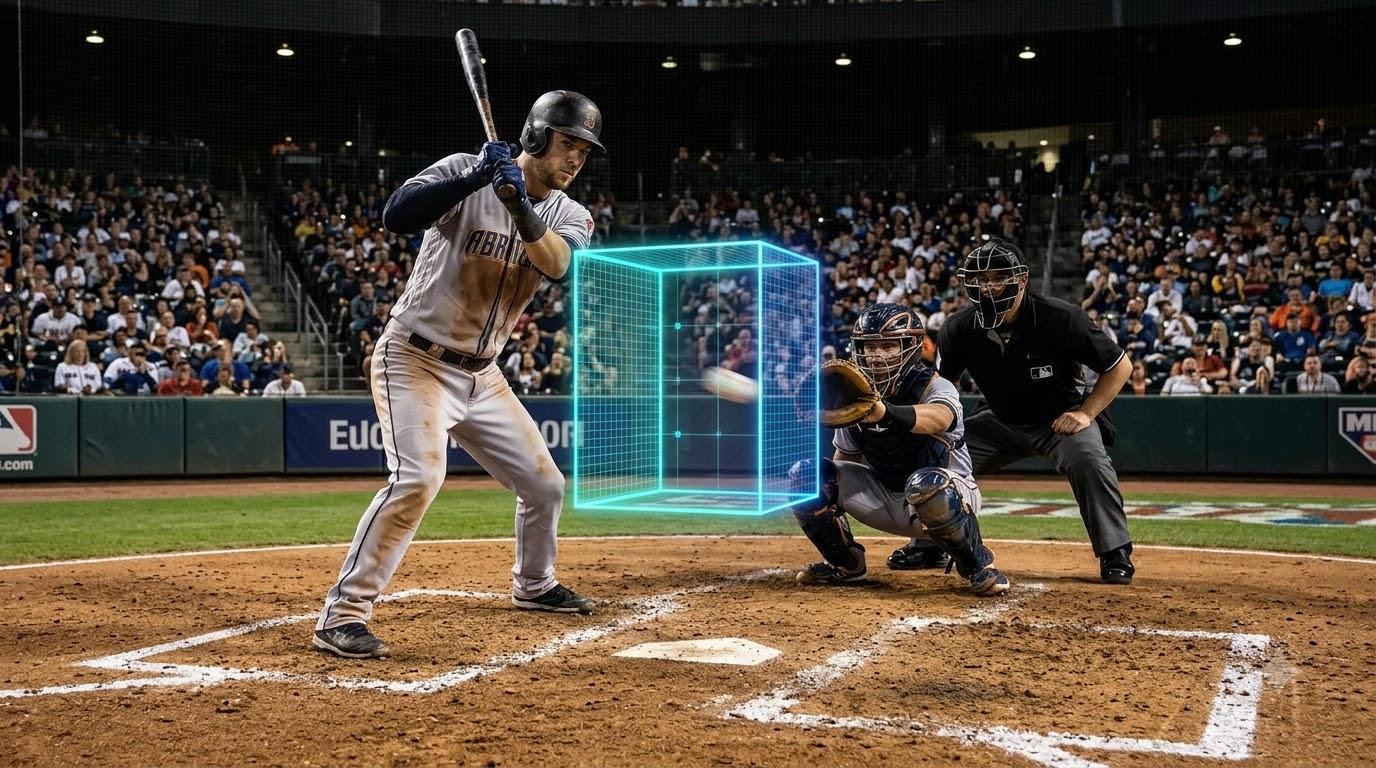
Pitchers can throw hard and still struggle to locate the ball consistently. The solution is not always to add more pitches to a practice session. Often, players need a clear visual target, a repeatable routine, and useful feedback after every throw. A strike zone home plate training target for pitching practice can help coaches and players focus on location instead of judging every pitch by whether it simply reaches the catcher.
The key is to use the target with a specific purpose. Random throwing may build repetition, but structured drills help pitchers understand where the ball is going, identify recurring mistakes, and make adjustments. With a practical training plan, coaches can turn a simple visual aid into a useful part of regular baseball practice.
Why Pitchers Struggle With Consistent Location
Pitching accuracy depends on several skills working together. A player must coordinate the lower body, trunk, throwing arm, release point, and follow-through while maintaining balance. If one part of the delivery changes, the ball may travel to a different location even when the pitcher feels that the throw was similar.
Three common problems can make practice less effective.
1. Players focus on effort rather than location
Young pitchers sometimes believe that a harder throw is automatically a better throw. They may increase their effort to impress a coach or keep pace with teammates, even when their mechanics become less controlled.
A better approach is to separate accuracy work from velocity-focused training. During a location drill, the goal should be a controlled delivery toward a defined target. Speed can be developed through an appropriate training programme, but it should not distract from the objective of the current exercise.
2. The target is difficult to judge
When a catcher receives a pitch, the pitcher may not know precisely where it crossed the intended target area. The catcher's position, glove movement, and the angle of observation can make feedback less clear.
A marked training surface provides a visible reference. Players can compare their intended target with the ball's actual path and discuss whether the miss was high, low, inside, or outside. The visual information is especially helpful when coaches want to explain location without relying entirely on verbal descriptions.
3. Every throw is treated the same
Ten pitches aimed at the same general area may not teach a player as much as ten pitches with different, clearly defined objectives. Without a drill plan, players can repeat the same mistake without understanding what needs to change.
The answer is to give each group of throws a purpose, track the results, and adjust one factor at a time.
What a Marked Training Target Adds to Practice
A marked target makes the intended location easier to see. TAG's training product uses heavy-duty molded rubber and coloured strike-zone lanes for teaching, pitching practice, hitting development, and umpire training. Its purpose is to give players and coaches a visible reference rather than asking them to imagine an unmarked zone.
The colours should be used according to the product's own markings and the coach's explanation. They are a training aid, not a replacement for learning the applicable baseball rules or making real-game decisions.
A target is most useful when it supports a coaching process:
-
Set a clear objective: Tell the pitcher which area to aim for before the throw.
-
Observe the result: Identify where the pitch crossed the target.
-
Give specific feedback: Describe the location of the miss rather than simply calling it good or bad.
-
Repeat with intention: Allow the player to apply one adjustment before changing the drill.
-
Review progress: Record performance across sessions instead of judging improvement from one successful round.
This process helps turn pitching practice into a learning activity rather than a series of disconnected throws.
Choosing Drills for Different Pitching Problems
Not every pitcher needs the same exercise. A beginner who struggles to repeat a delivery requires a different starting point from an experienced player who can throw strikes but has trouble reaching a particular part of the zone.
|
Training challenge |
Suitable drill focus |
What the coach should observe |
|
Inconsistent direction |
Repeated throws toward one broad target area |
Balance, alignment, and release consistency |
|
Misses above or below the target |
Controlled location practice |
Release point and body position |
|
Difficulty changing locations |
Alternating between two planned areas |
Whether the pitcher changes the target without rushing |
|
Poor concentration during longer sessions |
Short sets with a specific goal |
Focus, routine, and consistency |
|
Unclear feedback |
Target-based review after each set |
Whether the player can describe the miss accurately |
These are coaching guidelines rather than guaranteed solutions. If a player repeatedly misses in one direction, the coach should assess the delivery and relevant circumstances instead of assuming that a single mechanical correction will work for everyone.
A Five-Step Routine for More Focused Accuracy Practice
Use the following sequence to make each practice session easier to manage. Adapt the number of throws, rest periods, and difficulty to the player's age, experience, and training needs.
Step 1: Establish a comfortable starting point
Begin with an appropriate warm-up and easy throwing before introducing a more focused target drill. Players should not be asked to throw at maximum effort from the first repetition.
Place the training target where the pitcher can see it clearly and where the drill can be completed safely. Make sure the throwing area is free from people crossing behind or beside the target.
Step 2: Choose one location objective
Give the pitcher a simple task, such as directing a controlled series of throws toward a particular marked area. Explain the objective before the first throw.
Avoid giving several technical instructions at once. A player who is simultaneously thinking about foot placement, arm angle, speed, balance, and target location may find it difficult to apply any single correction consistently.
Step 3: Complete a short set
Use a manageable number of throws, with enough time between repetitions to maintain good technique. After the set, ask the pitcher to identify the most common miss.
This encourages the player to participate in the learning process. The coach can then add observations that the pitcher may not have noticed.
Step 4: Change one variable at a time
If the throws repeatedly miss high, for example, discuss the delivery and release point with the player. Do not immediately change several mechanical elements. Make one appropriate adjustment, then observe whether the result changes.
A visual target can help the player understand the goal, but it cannot diagnose every mechanical issue. Persistent difficulties may require closer observation by a qualified pitching coach.
Step 5: Record results and finish with a review
Keep a simple training log that records the drill, target area, number of attempts, and general pattern of results. The purpose is to compare sessions and identify useful trends, not to create pressure around every missed throw.
End the session by asking what improved, what remained difficult, and what the next practice objective should be.
Two Examples of Applying the Method
Example 1: A young pitcher who sprays throws in different directions
A developing player regularly misses the intended target, with some pitches travelling high and others moving wide. The coach initially considers adding more throwing repetitions, but the player is already becoming frustrated.
Instead, the coach uses short sets aimed at one broad target area. After each set, the player and coach discuss the pattern of misses. They also observe balance and direction during the delivery.
Over time, the drill may help the player recognise whether the misses follow a consistent pattern. The coach can then select a more focused exercise based on what is observed. Improvement should be assessed over multiple sessions rather than assumed after a few accurate throws.
Example 2: An experienced pitcher who struggles to repeat locations
Another player can generally throw accurately but has difficulty moving between two intended areas. The coach designs a drill in which the pitcher alternates between the selected targets after receiving a clear instruction.
The focus is on executing the plan with a controlled delivery, not simply throwing faster. The coach records whether the pitcher reaches the intended area and asks the player to describe the adjustment required for the next attempt.
This drill makes location changes a deliberate part of practice. If the pitcher begins rushing or losing control, the coach can reduce the difficulty before progressing again.
Case Study: Building a Repeatable Practice Plan
Illustrative case study — the situation below is hypothetical.
A community baseball team notices that several players perform well during warm-ups but struggle to locate pitches once coaches introduce more challenging drills. The players are receiving plenty of repetitions, yet their sessions lack a consistent way to evaluate results.
The coaching staff introduces a marked target and reorganises a portion of practice around one objective at a time.
The initial problem: Players were throwing without a clearly defined location goal. Feedback was often limited to comments such as “throw it again” or “try to be more accurate.”
The change: Coaches begin each drill by identifying the intended area. After short sets, players describe the pattern of their misses, and coaches provide one specific observation.
The review process: The staff records broad patterns across several sessions, noting whether players are becoming more consistent and whether particular difficulties persist.
Expected outcome: The revised routine gives players a clearer objective and coaches a more structured basis for feedback. It does not guarantee that every pitcher will improve at the same rate, but it makes practice easier to evaluate and adjust.
Transferable lesson: Training equipment is most valuable when it supports a repeatable process. A visible target, clear instructions, useful feedback, and appropriate progression work together more effectively than simply increasing the number of throws.
Common Mistakes That Reduce the Value of Target Practice
A target can make a drill easier to understand, but several coaching mistakes can limit its usefulness.
Changing too many things at once
When a pitcher misses, coaches may offer several corrections in rapid succession. The player then has difficulty knowing which adjustment made a difference.
Choose the most relevant coaching point, give the player time to apply it, and observe the next few throws. If the pattern does not change, reassess rather than repeating the same instruction indefinitely.
Making every drill competitive
Competition can be motivating, but constant scoring may encourage inexperienced players to rush or prioritise results over sound technique. Some sessions should focus on learning, with success measured by consistency, concentration, and the ability to apply feedback.
Introduce scoring when it suits the player's development and the purpose of the exercise.
Ignoring fatigue
As players become tired, their movement and control may change. More repetitions are not necessarily better if technique deteriorates or discomfort develops.
Keep sessions appropriate to the player's age, experience, and training load. Stop the drill if pain occurs, and seek appropriate professional guidance when needed. A target is a practice aid, not a reason to push through discomfort.
Using the wrong equipment for the task
A training target designed to teach location is different from a permanent game-use home plate. Before purchasing equipment, confirm whether the objective is pitching instruction, umpire education, field installation, or another use.
For example, the TAG training plate is described as a molded-rubber training aid with marked lanes. Buyers should review the current product details to confirm that its design suits their intended practice environment.
How to Decide Whether This Training Aid Fits Your Team
Before adding equipment to a coaching programme, consider how frequently it will be used and which players will benefit from it.
|
Decision factor |
Questions to ask |
Why it matters |
|
Main purpose |
Is the priority pitching accuracy, teaching strike-zone concepts, or umpire training? |
The training objective determines which design is suitable. |
|
Player experience |
Will beginners or experienced players use it? |
The drill and coaching instructions should match the players' needs. |
|
Practice environment |
Will sessions take place on a field, in a dedicated training area, or somewhere else? |
The available space affects setup and safe use. |
|
Portability and storage |
Does the equipment need to be moved between sessions? |
Handling and storage can influence how regularly it gets used. |
|
Budget and quantity |
Is the team buying one target or equipment for several groups? |
A practical purchasing decision should account for team needs and available funds. |
|
Maintenance |
Can the equipment be checked and stored appropriately? |
Regular inspection helps coaches identify wear or damage before use. |
A coach should also consider whether the team has enough time to explain the drill and provide feedback. Buying a training aid without planning how it will be incorporated into sessions may result in equipment that is rarely used.
Making the Training Routine Sustainable
The most useful practice plan is one that coaches can repeat without making every session complicated. Start with a small number of drills and increase difficulty only when the player is ready.
A simple routine might include a warm-up, a focused location exercise, a short review, and a final discussion of the next training objective. Coaches can adjust the session according to the player's progress and the broader goals of the team.
The strike zone home plate concept is particularly useful when players need a concrete visual reference for an otherwise abstract target. However, the marked area should be explained carefully: a training target helps illustrate location, while actual strike calls depend on the applicable rules and the circumstances of the pitch.
Coaches should also avoid treating every missed pitch as a failure. A miss provides information about what happened during that attempt. When players learn to observe the result and apply feedback, practice becomes more purposeful.
For teams looking for suitable training equipment, reviewing the product's intended use, material, dimensions, and current specifications before purchase is a sensible final step.
Conclusion
Improving pitching accuracy requires more than throwing additional pitches. Players need clear objectives, repeatable routines, and feedback that helps them understand the difference between their intended target and the actual result.
A marked training aid can support that process by making the target easier to see and discuss. The strike zone home plate should be part of a broader coaching plan that considers mechanics, concentration, recovery, and appropriate progression. With purposeful drills and regular reviews, coaches can make practice more organised and give players a clearer path toward developing consistent location skills.
Frequently Asked Questions
1. What is a strike-zone training plate used for?
It provides a visible reference for teaching strike-zone concepts, practising pitch location, developing hitting skills, and supporting umpire training. The exact use depends on the product's design and the drill being performed.
2. Can beginners use a marked pitching target?
Yes, provided the drill is appropriate for their age and experience and a coach explains how to use the target. Beginners should usually start with manageable objectives and controlled throws rather than maximum-effort pitching.
3. How often should pitchers practise accuracy?
There is no single schedule that suits every player. Frequency and workload should depend on age, experience, other throwing activities, recovery, and the player's overall training programme.
4. Does a target automatically improve pitching accuracy?
No. A target can make the intended location clearer, but improvement depends on factors such as coaching, technique, repetition quality, feedback, and consistency. Results vary between players.
5. Is a training plate the same as a regulation game home plate?
Not necessarily. A training aid may have coloured markings and other features designed for instruction. Teams should confirm the product's purpose and specifications before using it for any game-related application.
6. What should coaches look for when buying a target?
Consider the intended training purpose, construction, dimensions, portability, storage, suitability for the players, and current product details. The best choice is the one that supports the team's actual practice needs.

 English
 Arabic
 French
 Spanish
 Portuguese
 Deutsch
 Turkish
 Dutch
 Italiano
 Romaian
 Portuguese (Brazil)
 Greek
