

Integrated Football Girdle: Fit, Coverage and Comfort Guide
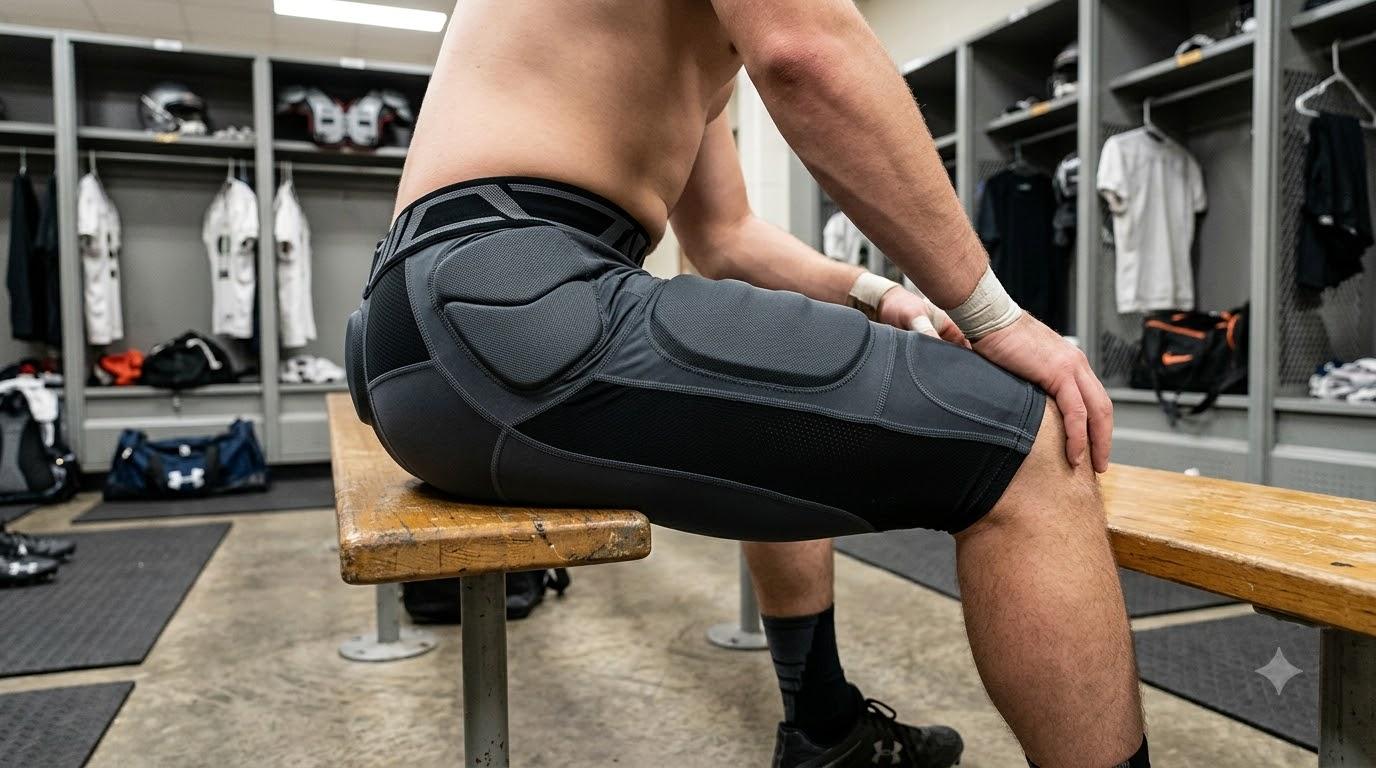
How to Choose an Integrated Football Girdle That Fits Properly Under Your Uniform
Football players need protective equipment that works together rather than competing for space beneath the uniform. If a player constantly adjusts his waistband, experiences uncomfortable pressure, or finds that padding shifts during movement, the equipment setup deserves another look.
An integrated football girdle for organised padding and comfortable game-day layering combines a close-fitting base garment with protective components built into its design. The exact padding configuration and coverage depend on the model, so players and parents should check the product specifications before deciding whether it suits their needs.
The right choice depends on fit, padding placement, freedom of movement, compatibility with the player's other equipment, and the manufacturer's instructions. A well-chosen girdle should support the uniform setup without causing unnecessary distraction.
What Is an Integrated Girdle?
A football girdle is a fitted garment worn beneath the uniform pants. Some models include padding in selected areas, while other designs have different configurations. An integrated design places the specified padding into the garment rather than requiring every component to be handled as a separate piece.
This can make the equipment routine more straightforward, but it does not mean every model offers the same coverage. Always check which protective components are included, how they are positioned, and whether additional equipment is required by the player's league or position.
An integrated garment also needs to fit correctly. Padding that is poorly positioned or a waistband that causes discomfort can interfere with a player's focus, even if the product appears suitable when viewed on its own.
Start With Fit, Not the Number of Padding Pieces
Product descriptions may highlight the number of integrated pads, but that number alone does not establish whether the garment is suitable for a particular player.
Start with the player's current measurements and the manufacturer's size chart. Do not choose a size simply because it was used last season or because the athlete expects to grow.
A suitable fit should keep the garment positioned as intended without excessive compression or loose fabric. The waistband should feel secure, and the player should be able to run, squat, bend, and change direction comfortably.
During a fitting, check for:
-
A waistband that stays in position without digging into the skin.
-
Fabric that does not bunch excessively beneath the uniform pants.
-
Padding that remains aligned with the areas it is designed to cover.
-
Comfortable hip and leg movement.
-
No persistent rubbing or pinching around seams.
-
A fit that works with the player's normal football pants.
If the player has to pull the garment into place repeatedly, do not assume the problem will disappear during a game. Reassess the sizing and design before regular use.
Understand the Padding Configuration
Different girdles may include different combinations of padding. The model's description should explain what is integrated and which additional items, if any, need to be purchased separately.
Check each component
Confirm the listed coverage instead of relying on a generic product category. If the player needs specific protective components under the league's rules, verify that the chosen garment and the rest of the equipment setup meet those requirements.
Assess how the pads sit
The padding should remain in its intended position during ordinary movements. Ask the player to walk, squat, raise the knees, and make controlled changes of direction.
Observe whether a pad twists, folds, or creates uncomfortable pressure. If the fit changes substantially during movement, try another size or design that better matches the player's body and equipment requirements.
Do not confuse coverage with a guarantee
Integrated padding may provide coverage in selected areas, but it should not be described as eliminating injury risk. Football is a contact sport, and equipment selection is only one part of a broader safety approach that includes proper technique, coaching, fit, and compliance with applicable rules.
How to Check an Integrated Girdle Before Buying
A structured fitting can prevent many avoidable problems.
Step 1: Review the manufacturer's size chart
Measure the player according to the manufacturer's directions. Use current measurements, particularly for children and teenagers who may have grown since their previous fitting.
If measurements fall between sizes, consult the brand's guidance and consider trying the available options. Do not assume that a tighter garment always provides a better fit.
Step 2: Confirm exactly what is included
Read the product description and check the padding configuration. Make sure you understand which components are part of the garment and which items may need to be supplied separately.
This is particularly important when replacing only one piece of an existing equipment setup.
Step 3: Put the garment on correctly
Follow the manufacturer's instructions. Position the waistband and garment as intended, and check that the padding sits where it should.
Avoid altering the garment or moving integrated components in ways the manufacturer does not recommend.
Step 4: Test basic football movements
Ask the player to walk, jog lightly, squat, lift each knee, and change direction in a controlled manner. The garment should not make these ordinary movements uncomfortably difficult.
Check the fit again after movement. A garment that feels secure while standing may shift when the hips and legs are active.
Step 5: Add the uniform pants
Test the complete setup, including any other required protective equipment. Look for bunching, overlapping pressure points, or areas where the layers prevent comfortable movement.
Do not remove required protective equipment simply to make the girdle fit. If the layers do not work together, choose a more compatible setup.
Step 6: Ask the player specific questions
Rather than asking only whether the garment feels fine, ask whether the waistband moves, whether the padding rubs, and whether squatting or running feels different.
Specific questions can help younger players describe discomfort they might otherwise ignore.
Practical Example 1: A Running Back Experiencing Waistband Discomfort
A young running back says his uniform pants feel uncomfortable after several drills. He repeatedly adjusts the waistband and reports pressure around the hips when squatting.
The first step is to check the complete equipment setup. The parent reviews the girdle's size chart, examines how the waistband sits, and checks whether the uniform pants are creating extra pressure.
During a controlled fitting, the player repeats the movements that previously caused discomfort. If the garment continues to pinch or restrict movement, the family should reassess the size or model rather than expecting the athlete to tolerate it.
This approach addresses the actual problem: the equipment combination must fit the player, not just match the product description.
Practical Example 2: Replacing Separate Padding With an Integrated Design
A parent wants to simplify the equipment routine because the player regularly forgets where individual pieces belong. The family considers an integrated garment but first checks whether the new design includes the required coverage.
They compare the product's specifications with the league's equipment rules and review how the garment will fit beneath the current uniform pants. The player tries the setup and completes a basic movement check.
The family makes its decision based on coverage, fit, comfort, and compatibility—not solely on the convenience of having padding integrated into one garment.
Illustrative Case Study: Creating a More Consistent Pre-Game Routine
This is a hypothetical example, not a documented customer result.
A youth football team finds that several players arrive at practice with inconsistent equipment setups. Some have garments that no longer fit, while others are uncertain about which protective components are included.
The coaching staff asks families to check size guidance and product specifications before the next session. Players then test their girdles with their normal pants and required equipment, reporting any movement restrictions or uncomfortable pressure.
The team also introduces a pre-practice checklist covering fit, visible damage, and equipment completeness. Over time, this process helps the staff identify setup issues before drills begin.
The lesson is not that an integrated garment guarantees better performance. Rather, clear equipment checks and a consistent routine can help reduce avoidable confusion.
Choosing a Girdle for Different Playing Needs
Players have different body shapes, positions, and comfort preferences. The correct choice should reflect the athlete's needs and the requirements of the sport, not an assumption that one model suits everyone.
|
What to evaluate |
Questions to ask |
What a suitable result looks like |
|
Sizing |
Does the garment match current measurements? |
Close fit without uncomfortable pressure |
|
Padding layout |
Which components are actually included? |
Coverage matches the player's requirements |
|
Mobility |
Can the player squat, run, and change direction comfortably? |
Ordinary movements remain unrestricted |
|
Waistband |
Does it stay in position during activity? |
Secure without pinching or digging in |
|
Uniform compatibility |
Does it fit beneath the normal pants? |
Layers sit comfortably without excessive bunching |
|
Care and durability |
What does the label say about washing and inspection? |
The garment can be maintained as instructed |
For example, a player who moves frequently through rapid changes of direction may be especially aware of leg mobility and whether the garment shifts. Another player may be more concerned about waistband comfort or how the padding sits beneath the uniform.
These are reasons to evaluate the complete fit, not grounds for making unsupported claims about which design prevents particular injuries.
Common Mistakes When Selecting an Integrated Girdle
Choosing based only on the product image
A photo cannot show how a garment will fit a particular player. Use the sizing chart and product specifications, and test the complete equipment setup where possible.
Assuming every model includes the same padding
Integrated designs can differ. Confirm the actual components included and whether additional protective equipment is needed.
Buying too large for future growth
Excess fabric can bunch, and padding may not remain where intended. Choose the current appropriate fit rather than relying on a size that might work months later.
Ignoring discomfort
Persistent rubbing, pinching, or restricted movement should be investigated. The player should not have to tolerate a poor fit to use the equipment.
Forgetting equipment checks
Inspect the garment regularly for tears, damaged padding, and changes in fit. Follow the care label and replace items that are no longer suitable.
Care and Maintenance
The garment's care requirements depend on its construction and materials. Follow the manufacturer's washing and drying instructions, especially when padding is integrated into the fabric.
After use, inspect the waistband, seams, fabric, and padded sections. Look for tears, distorted padding, or other damage that may affect the garment's intended function. Allow the garment to dry fully before storing it.
Check fit again as the player grows. A garment can remain in good physical condition but still be unsuitable because the athlete has outgrown it.
Keep the equipment in a clean, dry place, and avoid modifying integrated padding unless the manufacturer explicitly permits it.
Conclusion
An integrated football girdle can simplify a player's equipment setup by combining a fitted garment with the padding specified for that model. The right choice still depends on current sizing, padding placement, comfortable movement, and compatibility with the rest of the uniform.
Review the manufacturer's specifications, test the complete setup, and ask the player about pressure, rubbing, or shifting during movement. Check the garment regularly and follow its care instructions. Most importantly, confirm that the full equipment setup meets the player's league requirements.
A consistent fitting and inspection routine is more reliable than choosing equipment based on appearance or assumptions about padding alone.
Frequently Asked Questions
1. What is an integrated football girdle?
It is a close-fitting football garment with specified protective padding built into its design. The exact components and coverage vary by model, so check the product description before purchasing.
2. How should an integrated girdle fit?
It should fit securely according to the manufacturer's guidance without pinching, excessive compression, or restricting normal football movements. The padding should remain in its intended position during activity.
3. Does an integrated girdle replace all other football protective equipment?
Not necessarily. The required equipment depends on the player's league, position, and applicable rules. Confirm which components are included and what must be worn separately.
4. Can a player wear an integrated girdle under regular football pants?
That is the intended arrangement for many designs, but compatibility depends on the garment, the uniform pants, and the required equipment. Test the complete setup before game day.
5. How often should the girdle be inspected?
Check it before use and after practices for damage, changes in padding position, and signs that the player has outgrown it. Follow the manufacturer's care instructions.
6. What should I do if the padding shifts during movement?
Recheck the sizing and how the garment is positioned. If the padding continues to move or creates discomfort, review the manufacturer's guidance and consider a better-fitting model rather than altering integrated components without approval.

 English
 Arabic
 French
 Spanish
 Portuguese
 Deutsch
 Turkish
 Dutch
 Italiano
 Romaian
 Portuguese (Brazil)
 Greek
