

How Dermatology Experts Approach Laser Acne Scar Treatments in Riyadh
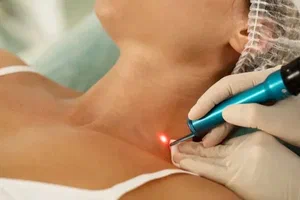
Acne scars can affect the appearance of the skin long after active acne has disappeared. Uneven texture, depressed scars, enlarged pores, and lingering marks may make the skin look less smooth. Modern laser technology offers several options for improving these concerns, depending on the type of scarring, skin condition, and individual treatment goals. Understanding how dermatology experts approach Laser Acne Scar Treatments in Riyadh can help individuals make informed decisions about their skincare journey.
In Saudi Arabia, interest in advanced dermatological procedures continues to grow as people seek effective ways to improve skin texture and appearance. Laser treatments are among the options used to address certain types of acne scarring. However, the most appropriate approach depends on a professional assessment, realistic expectations, and a suitable aftercare routine.
Understanding Acne Scars and Their Causes
Acne scars can develop when inflammation associated with acne damages the deeper layers of the skin. During the healing process, the body produces collagen to repair the affected area. If collagen production is insufficient or excessive, permanent changes in skin texture may occur.
Some scars appear as small depressions, while others create raised areas or uneven surfaces. Post-inflammatory hyperpigmentation, which causes darker marks after acne heals, is another common concern, although it is not the same as a true scar.
Dermatology experts assess these differences before recommending a procedure. Understanding the underlying skin concern helps determine whether laser treatment, another dermatological procedure, or a combination of approaches may be appropriate.
How Laser Technology Helps Improve Acne Scars
Laser procedures use focused light energy to target specific structures within the skin. Depending on the technology, treatment may remove microscopic portions of damaged skin, stimulate collagen production, or encourage gradual skin renewal without removing the entire surface.
Collagen plays an important role in skin firmness and structure. By stimulating the body's natural repair processes, certain laser treatments may help soften the appearance of depressed scars and improve overall skin texture over time.
The results depend on several factors, including scar depth, skin type, treatment settings, and the body's healing response. Laser treatment does not guarantee complete scar removal, and multiple sessions may be recommended to achieve meaningful improvement.
Types of Laser Treatments for Acne Scars
Different laser technologies address different skin concerns. A dermatology professional considers the characteristics of the scars and the patient's skin before selecting an appropriate treatment.
Fractional Laser Resurfacing
Fractional laser resurfacing creates controlled microscopic treatment zones within the skin while leaving surrounding tissue relatively untouched. This approach encourages collagen remodeling and natural healing.
It may be considered for certain depressed acne scars, uneven texture, and visible signs of skin damage. Depending on the device, fractional treatments may be ablative or non-ablative, with differences in recovery time, intensity, and potential side effects.
Ablative Laser Treatment
Ablative lasers remove thin layers of skin to promote resurfacing and renewal. They may be used for selected cases of more pronounced acne scarring when the expected benefits outweigh the risks.
Because ablative procedures can involve greater downtime, careful patient selection and aftercare are essential. Temporary redness, swelling, peeling, and changes in pigmentation may occur during recovery.
Non-Ablative Laser Treatment
Non-ablative lasers heat targeted tissues beneath the skin's surface without removing the outer skin layer in the same way as ablative treatments. They may stimulate collagen production and gradually improve selected textural concerns.
These treatments generally involve less downtime, although several sessions may be needed. The level of improvement varies according to the technology used and the characteristics of the scars.
How Dermatology Experts Assess Skin Before Treatment
A professional consultation is an important part of the treatment process. Dermatology experts examine the skin to identify scar patterns, assess pigmentation, review previous acne treatments, and determine whether active acne or another skin condition requires attention first.
The assessment may also include a discussion of medical history, medication use, previous cosmetic procedures, and any tendency to develop pigmentation changes or raised scars. These details help the professional evaluate potential risks and choose suitable treatment settings.
Skin tone is particularly important when planning laser procedures. Individuals with darker skin tones may have a greater risk of post-inflammatory hyperpigmentation after certain treatments. Appropriate device selection, conservative settings when necessary, and careful preparation can help reduce this risk.
Benefits of Laser Acne Scar Treatments in Saudi Arabia
Laser procedures may offer several benefits for individuals concerned about acne-related skin texture. Their suitability depends on the type of scarring and the treatment method selected.
For appropriate candidates, laser therapy may help soften the appearance of depressed scars, improve uneven texture, and encourage collagen remodeling. Some treatments may also improve the appearance of selected pigmentation concerns, although discoloration and structural scarring often require different treatment strategies.
Another potential benefit is the ability to customize treatment according to individual skin needs. Dermatology professionals can adjust the approach based on scar depth, skin sensitivity, and recovery expectations.
People considering Laser Acne Scar Treatments in Riyadh should understand that improvements usually develop gradually. The goal is generally to make scars less noticeable rather than eliminate every visible mark.
Preparing for Laser Acne Scar Treatment
Proper preparation can help support a safer treatment experience. Before the procedure, patients should follow the instructions provided by their dermatology professional and disclose any medications, skincare products, or previous reactions to cosmetic treatments.
Depending on the planned procedure, preparation may include avoiding tanning, protecting the skin from excessive sun exposure, and temporarily discontinuing certain irritating skincare ingredients under professional guidance.
Active acne, skin infections, irritation, or recent tanning may affect the timing of treatment. Patients should not stop prescribed medications or begin new topical products without discussing them with the treating professional.
A clear understanding of the expected results, possible side effects, and recovery period is equally important. These discussions help individuals decide whether the procedure fits their skincare goals and daily routine.
Recovery and Aftercare Following Laser Treatment
Recovery varies according to the laser technology, treatment intensity, and individual healing response. Mild redness, swelling, sensitivity, and temporary skin dryness may occur after treatment. More intensive procedures can involve peeling, crusting, and a longer recovery period.
Following aftercare instructions is essential. Patients are generally advised to use gentle skincare products, maintain appropriate moisturization, and avoid picking or rubbing the treated skin. Sun protection is especially important because recently treated skin may be more vulnerable to pigmentation changes.
Some individuals can resume normal activities relatively quickly after less intensive procedures, while others may need several days or longer to recover. The treating professional should explain what to expect and when to seek medical advice if symptoms become unusual or severe.
Expected Results and the Importance of Realistic Expectations
Laser treatment results are not immediate in every case. Collagen remodeling takes time, so improvements in skin texture may become more noticeable over several weeks or months. Depending on the severity of the scars, a series of sessions may be recommended.
The outcome also depends on the type of acne scars being treated. Shallow textural irregularities may respond differently from deep, narrow scars or tethered depressions. Some scars may benefit more from other procedures, such as subcision or carefully selected combination treatments.
A personalized treatment plan should include realistic goals and regular assessments of progress. Patients should understand that complete scar removal is unlikely and that maintaining healthy skin habits remains important after treatment.
Choosing Laser Acne Scar Treatments in Riyadh
Choosing an appropriate treatment involves more than selecting a laser device. Patients should look for qualified dermatology professionals who understand different scar types, skin tones, and the risks associated with resurfacing procedures.
During a consultation, individuals should ask which technology is being recommended, why it suits their skin, how many sessions might be needed, and what complications could occur. It is also reasonable to ask about expected downtime, aftercare requirements, and alternative treatments.
For those exploring Laser Acne Scar Treatments in Riyadh, a personalized assessment can help distinguish between treatments designed to improve pigmentation and those intended to address deeper textural changes. Informed decisions, professional supervision, and consistent aftercare are essential parts of the process.
Frequently Asked Questions
What are laser acne scar treatments used for?
Laser acne scar treatments are used to improve selected types of acne-related scarring, uneven texture, and certain pigmentation concerns. The results depend on the type of laser, scar characteristics, and individual skin response.
Are laser treatments effective for deep acne scars?
Some deep scars may improve with laser treatment, but lasers alone may not provide the best results for every scar type. A dermatology professional may recommend a combination of procedures based on the depth, shape, and attachment of the scars.
How many laser sessions are needed for acne scars?
The number of sessions varies according to scar severity, treatment technology, and the desired degree of improvement. Some people require multiple sessions, with sufficient recovery time between procedures.
Are laser acne scar treatments suitable for darker skin tones?
Certain laser treatments can be suitable for darker skin tones when selected and performed appropriately. However, the risk of pigmentation changes requires careful assessment, suitable treatment settings, and diligent sun protection.
How long does recovery take after laser acne scar treatment?
Recovery depends on the procedure's intensity. Less intensive treatments may involve limited downtime, whereas ablative resurfacing can require a longer healing period. The treating professional should provide individualized recovery guidance.
What should I consider before choosing laser acne scar treatment in Saudi Arabia?
Consider the type of scars you have, your skin tone, medical history, treatment expectations, potential side effects, and the qualifications of the professional performing the procedure. A consultation can help determine whether laser treatment is appropriate or whether alternatives may be more effective.
Conclusion
Laser technology can be a useful option for improving selected acne scars and supporting smoother-looking skin. However, successful treatment depends on choosing the right approach for the scar type, skin tone, and individual needs. Professional assessment, appropriate preparation, realistic expectations, and consistent aftercare all contribute to a safer treatment experience.
Individuals researching Laser Acne Scar Treatments in Riyadh should prioritize evidence-based guidance and personalized care rather than expecting identical results from every procedure. Enfield Royal Clinic Saudi is one option people may explore when researching aesthetic and dermatological services in Saudi Arabia. Before proceeding with any treatment, prospective patients should confirm the availability of relevant services, the qualifications of the treating professional, and whether the proposed approach is suitable for their skin.

 English
 Arabic
 French
 Spanish
 Portuguese
 Deutsch
 Turkish
 Dutch
 Italiano
 Russian
 Romaian
 Greek
