

Teeth Scaling and Plaque Removal: Understanding Buildup, Gum Health, and Prevention
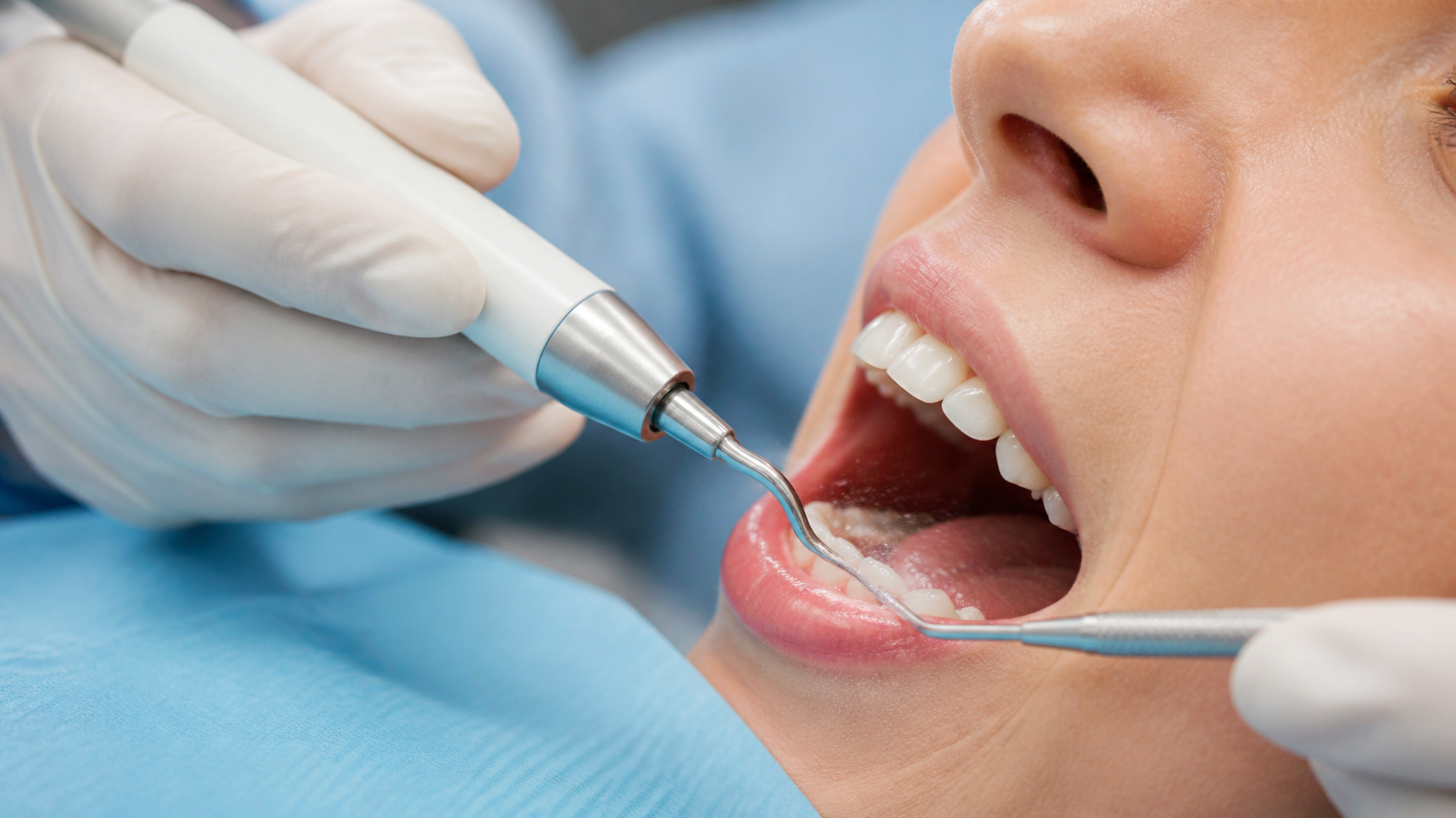
Every day, the mouth encounters food particles, bacteria, and naturally occurring substances that interact with the surfaces of teeth. This process is normal, but it also explains why oral hygiene requires consistent attention. When bacterial plaque is not removed effectively, it can accumulate, irritate the gums, and eventually harden into tartar.
Teeth scaling and plaque removal are closely connected aspects of oral care, but they address deposits at different stages. Daily brushing and cleaning between teeth help control soft plaque, while professional scaling removes hardened deposits that cannot be reliably eliminated at home.
Understanding the difference between plaque and tartar helps patients make better decisions about preventive care, recognise potential warning signs, and protect their gums.
What Is Dental Plaque?
Dental plaque is a soft, sticky film that develops on teeth throughout the day. It contains bacteria and material produced by microorganisms in the mouth.
Plaque forms naturally, even when a person has not recently eaten. However, frequent exposure to sugars and poor cleaning habits can encourage conditions that allow certain harmful bacteria to thrive.
When plaque remains on teeth, the bacteria within it can contribute to tooth decay and gum inflammation.
Plaque often collects along the gumline, between neighbouring teeth, and around dental appliances or restorations. These areas may be difficult to clean thoroughly without using the correct brushing and interdental techniques.
Because plaque is soft, it can generally be disrupted through effective daily cleaning before it hardens.
How Plaque Turns Into Tartar
Tartar, also called dental calculus, develops when plaque absorbs minerals from saliva or other oral fluids and becomes hardened.
The process can occur at different rates depending on individual factors, including saliva composition, oral hygiene habits, and the location of the deposits.
Tartar commonly appears near the gumline and behind the lower front teeth. It may also develop around other areas where plaque remains undisturbed.
Once hardened, tartar adheres firmly to tooth surfaces. Brushing and flossing remain important for preventing additional plaque, but they generally cannot remove established tartar.
Professional dental instruments are used to remove these deposits. Leaving tartar untreated can make cleaning more difficult and may contribute to ongoing gum irritation.
Why Plaque Removal Matters
Removing plaque regularly is one of the most important steps in maintaining oral health.
Plaque bacteria can produce acids that contribute to the breakdown of tooth enamel. Near the gumline, plaque can trigger an inflammatory response that causes gums to become red, swollen, or prone to bleeding.
If gum inflammation continues, it may progress to periodontal disease in some individuals. Advanced periodontal disease can damage the tissues and bone that support teeth.
Plaque control also helps maintain a cleaner mouth and can reduce some causes of unpleasant breath.
Effective plaque removal does not mean eliminating every microorganism from the mouth. The goal is to control harmful accumulation and maintain a healthier balance through daily care and professional guidance.
What Is the Difference Between Plaque Removal and Teeth Scaling?
Plaque removal and scaling have related purposes, but the terms describe different aspects of dental cleaning.
Plaque removal at home involves brushing and cleaning between teeth to disrupt soft bacterial deposits before they harden.
Professional teeth scaling involves using specialised dental instruments to remove hardened tartar and, when indicated, deposits beneath the gumline.
Professional polishing, when appropriate, may remove certain surface stains and smooth tooth surfaces after cleaning. It is not a replacement for scaling.
These procedures may be combined during a dental appointment, depending on the patient's needs.
A patient who has little tartar but needs guidance on daily hygiene may benefit primarily from preventive advice. Someone with substantial hardened deposits may require professional scaling.
Where Plaque and Tartar Commonly Accumulate
Knowing where deposits develop can help people improve their cleaning routines.
Along the Gumline
Plaque can collect where teeth meet the gums. Brushing too quickly or using an ineffective angle may leave deposits in this area.
Between Teeth
Toothbrush bristles do not always reach the contact areas between neighbouring teeth. Cleaning between teeth with suitable floss or interdental brushes helps address these spaces.
Behind the Lower Front Teeth
Salivary ducts open near this region, and minerals in saliva can contribute to tartar formation. Some people develop noticeable deposits here even when other areas appear relatively clean.
Around Braces and Dental Appliances
Brackets, wires, retainers, and other appliances can create additional surfaces where plaque accumulates. People with orthodontic appliances may need specialised cleaning tools and more careful hygiene routines.
Around Dental Restorations
Crowns, fillings, bridges, and other restorations can be harder to clean if their shape or position creates plaque-retentive areas. Dental professionals can advise patients on suitable cleaning methods.
Signs of Excessive Plaque or Tartar
Plaque is not always easy to see, but tartar may appear as a rough, yellowish, or brown deposit on the teeth.
Other possible warning signs include:
-
Gums that bleed during brushing or flossing.
-
Redness or swelling around the gumline.
-
Persistent bad breath.
-
A rough feeling on tooth surfaces.
-
Gum tenderness.
-
Changes in gum position or recession.
These symptoms can have several causes. Bleeding gums, for example, may indicate inflammation but can also be associated with other oral or medical factors.
A dental examination is the best way to determine whether plaque and tartar are responsible and whether additional treatment is required.
How Dentists Perform Scaling and Plaque Removal
Professional cleaning begins with an assessment of the teeth and gums.
The dentist or hygienist identifies where deposits have accumulated and determines the appropriate cleaning method. Ultrasonic instruments may be used to loosen deposits through vibration, while hand instruments can help remove buildup from specific areas.
The dental professional works around the tooth surfaces and gumline, taking care to address areas where tartar is present.
If deposits extend beneath the gums or the patient has signs of periodontal disease, a deeper procedure such as scaling and root planing may be recommended.
The appointment may also include personalised guidance on brushing, interdental cleaning, and future maintenance.
The exact approach depends on the patient's oral health rather than a single method being suitable for everyone.
Daily Habits That Help Control Plaque
Professional scaling removes existing tartar, but daily habits help prevent new plaque from accumulating.
Brush Twice a Day
Brush with fluoride toothpaste for approximately two minutes, unless a dental professional has advised a different approach. Use a soft-bristled toothbrush and clean all accessible tooth surfaces gently.
Pay attention to the gumline rather than brushing only the visible fronts of the teeth.
Clean Between Teeth
Floss or use suitable interdental brushes to remove plaque from spaces a toothbrush may miss. The right tool depends on the size of the spaces and the patient's dental needs.
Limit Frequent Sugary Snacks
Frequent exposure to sugar can increase the risk of tooth decay. A balanced eating pattern and fewer sugary snacks between meals can support better oral health.
Drink Water Regularly
Water helps maintain hydration and can assist with clearing food debris. People with persistent dry mouth should discuss the problem with a healthcare professional.
Replace Worn Toothbrushes
A toothbrush with frayed bristles may clean less effectively. Replace it when worn and follow any recommendations provided by the dental team.
Avoid Tobacco
Smoking and other tobacco use can adversely affect gum health. Avoiding tobacco supports oral health and reduces several associated health risks.
Can Mouthwash Replace Brushing or Scaling?
Mouthwash may support an oral hygiene routine, depending on its ingredients and purpose, but it cannot replace effective brushing and interdental cleaning.
It also cannot reliably remove established tartar.
Some mouth rinses contain fluoride to help protect against tooth decay, while others are designed for specific oral health concerns. Therapeutic products should be used according to the label and professional guidance.
Patients with persistent gum inflammation or bad breath should not rely solely on mouthwash to mask symptoms. Identifying the underlying cause is more useful than treating the symptom alone.
Plaque Control for People Wearing Braces
Orthodontic appliances create extra surfaces where food and plaque can collect. If cleaning is incomplete, patients may develop inflamed gums, tooth decay, or white spots on enamel.
People wearing braces should follow the cleaning instructions provided by their orthodontic team. Specialised brushes, interdental brushes, and other recommended tools may help clean around brackets and wires.
Professional cleaning appointments remain important, although the timing and approach may need to be adjusted according to the appliance and oral health.
Patients should not attempt to remove tartar from around brackets using sharp instruments. Dental professionals can identify the safest way to manage deposits without damaging the appliance or surrounding tissues.
How Often Should You Have Professional Cleaning?
The recommended frequency depends on individual risk and oral health.
A patient with healthy gums and good plaque control may need a different schedule from someone who develops tartar quickly or has a history of periodontal disease.
Factors that may influence the interval include smoking, medical history, gum pocket measurements, orthodontic appliances, and the amount of existing buildup.
People who have received periodontal treatment may need a personalised maintenance schedule to monitor gum health and reduce the risk of recurrence.
Rather than choosing an interval based only on appearance, ask a dentist to recommend a schedule based on an examination.
When to Seek Dental Advice
Arrange a dental assessment if you notice persistent gum bleeding, swelling, bad breath, visible tartar, or changes in the way your teeth fit together.
Increasing tooth mobility, significant pain, pus around the gums, or facial swelling may indicate a more serious problem and requires prompt professional attention. Facial swelling accompanied by difficulty breathing or swallowing is an emergency.
Early evaluation helps distinguish routine cleaning needs from conditions that require more comprehensive treatment.
Teeth Scaling and Plaque Removal at Dental Aesthetics
Dental Aesthetics provides dental care for people seeking preventive, general, restorative, and cosmetic services.
Patients concerned about plaque accumulation, tartar, bleeding gums, or oral cleanliness can seek a professional assessment to understand their options. The dental team can evaluate the condition of the teeth and gums and explain whether routine scaling, deeper periodontal cleaning, or another approach is appropriate.
Treatment recommendations should be based on individual clinical findings, and maintaining an effective home cleaning routine remains essential after professional care.
Visit https://www.dentalaesthetics.pk/ to learn more about the clinic and its dental services.
Frequently Asked Questions
Can plaque be removed without professional scaling?
Soft plaque can usually be disrupted through regular brushing and interdental cleaning. Professional scaling is needed when plaque has hardened into tartar that cannot be removed effectively at home.
Is tartar more harmful than plaque?
Both can contribute to oral health problems. Plaque contains bacteria that can contribute to tooth decay and gum inflammation, while tartar provides a hardened surface where further plaque may accumulate and makes cleaning more difficult.
Does scaling remove every stain from teeth?
No. Scaling removes plaque and tartar and may remove certain deposits or external stains. Deeper discolouration may require a different treatment after a dental assessment.
Can plaque cause bleeding gums?
Plaque accumulation can trigger gum inflammation, which may cause bleeding during brushing or flossing. Persistent bleeding should be assessed rather than ignored.
Does professional scaling prevent all cavities?
No. Scaling supports oral hygiene, but cavity prevention also depends on fluoride exposure, diet, daily cleaning, saliva, and other individual risk factors.
Can I prevent tartar completely?
Tartar formation varies between individuals, and it may not be possible to prevent all buildup. Consistent plaque control and professional dental visits help manage its accumulation.
Final Thoughts
Teeth Scaling and Plaque Removal address two connected parts of maintaining oral health: controlling soft bacterial deposits and removing hardened tartar that ordinary cleaning cannot reliably eliminate.
Daily brushing, cleaning between teeth, a balanced diet, and regular dental examinations all contribute to healthier gums and a lower risk of plaque-related problems. When tartar or gum symptoms develop, professional assessment helps identify the appropriate treatment.
By combining consistent home care with suitable professional cleaning, patients can take practical steps towards maintaining cleaner teeth, healthier gums, and better long-term oral health.

 Arabic
 French
 Spanish
 Portuguese
 Deutsch
 Turkish
 Dutch
 Italiano
 Russian
 Romaian
 Portuguese (Brazil)
 Greek
