

How Urban Development Creates New Opportunities for Businesses and Investors
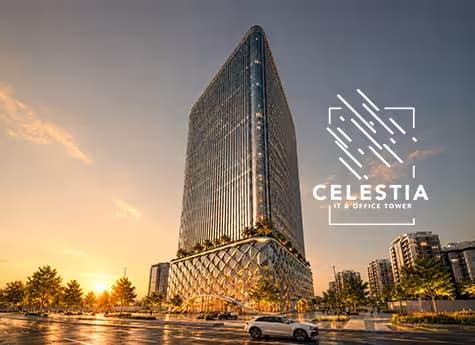
Cities play an important role in economic growth. They bring together businesses, workers, customers, and investors, creating opportunities for trade, employment, and innovation. However, as urban populations grow, cities need more than residential buildings and busy roads. They also require organized commercial areas, reliable infrastructure, efficient transportation, and long-term development plans.
Well-planned urban development can help meet these needs. When commercial spaces and public infrastructure are developed with a clear vision, businesses can operate more efficiently, investors can evaluate new opportunities, and communities can benefit from increased economic activity.
Why Urban Planning Matters for Economic Growth
Urban planning helps determine how land, transportation networks, commercial facilities, and public services should be organized. Without proper planning, rapid development can lead to traffic congestion, inefficient land use, and a shortage of suitable spaces for businesses.
A structured approach can help cities use available resources more effectively. It also supports the development of commercial districts where offices, retail spaces, technology facilities, and other business activities can operate within a connected environment.
Effective urban planning can contribute to economic growth in several ways:
-
Better land utilization: Organized development helps make productive use of available land.
-
Improved accessibility: Well-connected roads and transportation links make it easier for employees, customers, and suppliers to reach commercial locations.
-
Business expansion: Suitable commercial spaces give companies room to establish operations and expand their activities.
-
Employment opportunities: Construction, property management, retail, and professional services can all benefit from new development.
-
Long-term investment potential: Clearly planned projects may provide investors with more information when evaluating locations and opportunities.
These benefits depend on implementation, market demand, infrastructure quality, and effective management. Planning creates a foundation, but long-term success requires consistent execution.
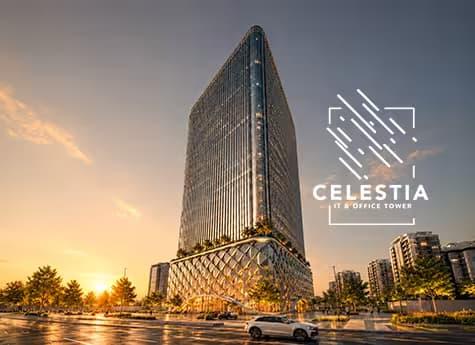
The Importance of Modern Commercial Districts
Commercial districts are an essential part of a city's economic structure. They provide spaces where businesses can establish offices, serve customers, collaborate with other companies, and access supporting services.
Modern commercial districts can offer advantages beyond the availability of buildings. Their overall value may depend on road connectivity, utility services, parking, digital infrastructure, nearby amenities, and the suitability of spaces for different business activities.
For example, a company choosing a new office location may consider its distance from customers, access to skilled employees, operating costs, and the availability of reliable services. A retail business may prioritize visibility and foot traffic, while a technology company may place greater importance on connectivity and access to a suitable business ecosystem.
The needs of different industries vary, which is why commercial development should consider a range of business requirements instead of relying on a single model.
Infrastructure as a Foundation for Business Activity
Infrastructure affects how efficiently businesses operate. Poor road access, unreliable utilities, and limited connectivity can increase costs and create delays. In contrast, properly planned infrastructure can make commercial locations more practical and accessible.
Key infrastructure considerations include:
Transportation and Connectivity
Road networks and transport links influence how easily employees, customers, and goods can move between locations. Better connectivity can help businesses manage logistics, reduce avoidable delays, and reach wider markets.
Utilities and Essential Services
Reliable electricity, water, drainage, and waste management are important for the daily operation of commercial properties. Businesses should assess the availability and capacity of these services before committing to a location.
Digital Infrastructure
Internet access and digital connectivity are increasingly important across industries. From online retailers to financial service providers, many companies depend on reliable digital systems to communicate with customers, manage operations, and protect business information.
Public Spaces and Supporting Facilities
Parking areas, pedestrian access, nearby services, and well-maintained surroundings can influence how employees and customers experience a commercial district. These features may also contribute to the area's overall functionality.
Infrastructure decisions made during the planning stage can have lasting effects, so they should be evaluated alongside construction costs and projected demand.
How Investors Can Evaluate Commercial Development Opportunities
Urban development projects may attract investors, but every opportunity requires careful assessment. A new commercial area or infrastructure project should not be considered a guaranteed source of returns. Its potential depends on several financial, legal, and market-related factors.
Investors can begin by examining the following areas:
-
Location and accessibility: Assess the area's connection to major roads, transport networks, business centres, and relevant customer markets.
-
Market demand: Research whether businesses or customers are likely to need the type of property being developed.
-
Legal documentation: Review ownership records, approvals, contractual terms, and applicable regulatory requirements.
-
Financial feasibility: Consider the purchase price, taxes, maintenance, financing costs, and other expenses that may affect the total investment.
-
Development timeline: Understand the project's current stage, expected milestones, and any factors that could cause delays.
-
Exit options: Consider how the investment could be sold, leased, or otherwise managed if circumstances change.
Investors should also distinguish between announced plans, work currently underway, and completed infrastructure. Independent verification and professional advice can help reduce the risk of making decisions based on incomplete information.
The Role of Technology in Future-Ready Cities
Technology is changing how businesses operate and how urban areas are planned. Digital mapping, data analysis, online service platforms, and connected infrastructure can support better decision-making when implemented appropriately.
Technology-focused commercial environments may also encourage collaboration between businesses, startups, researchers, and service providers. Such environments can be particularly relevant to industries that depend on digital tools, technical expertise, and knowledge sharing.
For instance, businesses exploring technology-driven development projects can learn about initiatives designed around specialized commercial and technology-related environments. However, companies and investors should review the available project information, development status, intended uses, and relevant requirements before drawing conclusions about suitability.
Technology alone cannot guarantee economic success. Its value depends on practical implementation, skilled people, reliable infrastructure, and demand from businesses that can benefit from it.
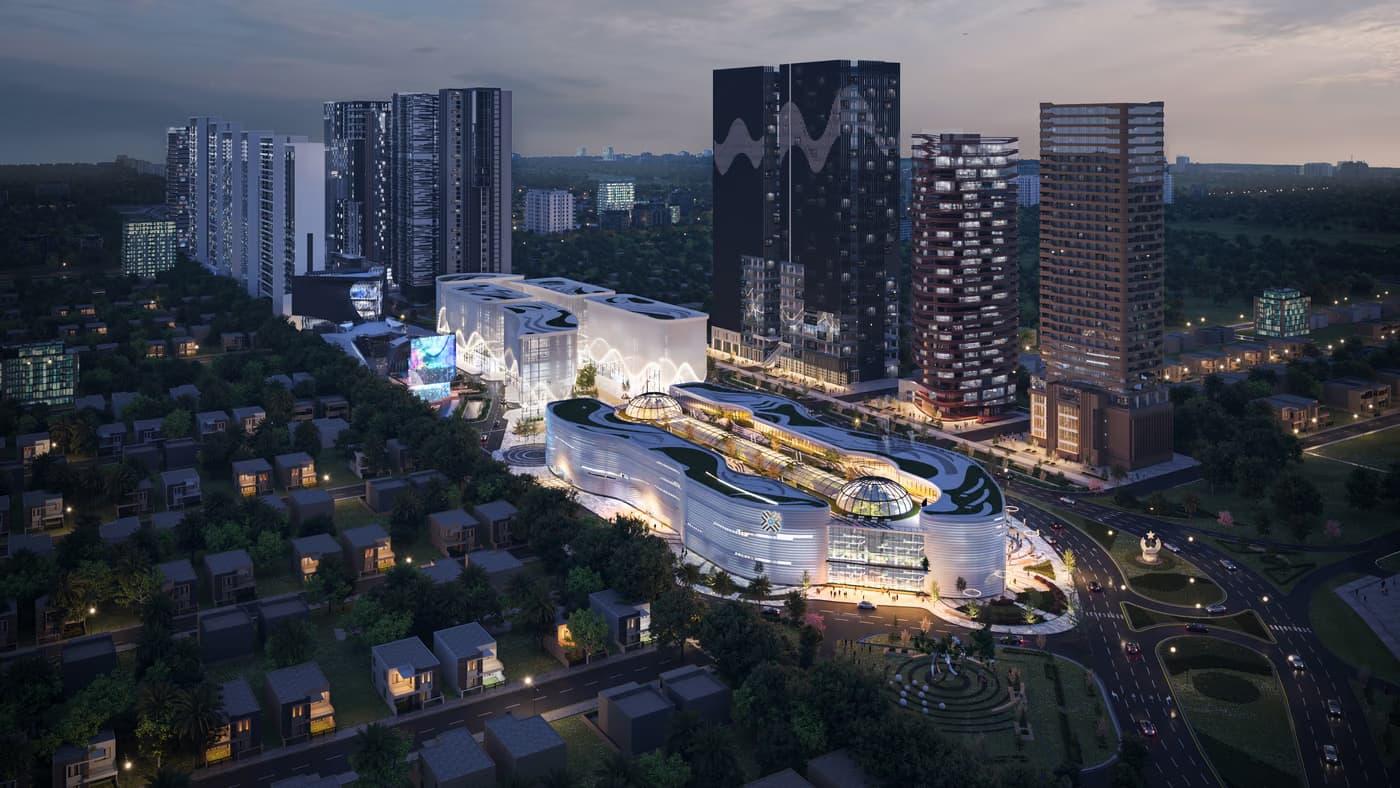
Sustainability and Responsible Urban Development
Long-term development requires attention to environmental performance and the efficient use of resources. As cities expand, poorly designed projects can place additional pressure on roads, utilities, water supplies, and waste management systems.
Sustainable planning can help address these challenges by considering energy efficiency, water conservation, green spaces, public transport access, and responsible construction practices.
Businesses can also contribute by selecting efficient buildings, reducing unnecessary energy consumption, managing waste responsibly, and adopting digital processes where appropriate.
These measures may help reduce operating costs over time, although the results depend on the building design, local conditions, and how consistently the measures are maintained.
Sustainability should therefore be considered from the beginning of a project rather than treated as an optional feature after development is complete.
Understanding Development Initiatives in Punjab
Punjab's economic progress depends partly on how effectively its cities accommodate changing business needs. Commercial development, improved connectivity, and specialized business districts can form part of a broader approach to supporting investment and economic activity.
People researching planned commercial development opportunities can review available information to better understand the projects and investment-related material presented by the relevant development authority. Any decision should still be based on individual research, verified documentation, current project details, and professional guidance where necessary.
A balanced approach to urban growth should consider the needs of businesses alongside those of residents and local communities. Development is more likely to deliver lasting value when infrastructure, accessibility, environmental considerations, and actual market demand are assessed together.
Collaboration Between Public and Private Sectors
Large development projects often require coordination among government institutions, private businesses, investors, planners, and service providers. Each group contributes different resources and expertise.
Public-sector institutions may establish planning frameworks and oversee applicable regulations. Private-sector participants can contribute investment, technical capabilities, construction expertise, and operational experience. Collaboration can help align development plans with practical market requirements.
Clear communication is especially important. Reliable project information, transparent procedures, and realistic timelines help stakeholders understand their responsibilities and evaluate potential risks.
Strong coordination cannot eliminate every challenge, but it can support more informed decisions and improve the chances of delivering useful infrastructure.
Conclusion
Urban development is about more than constructing buildings or opening new commercial spaces. It involves creating environments where businesses can operate, people can access opportunities, and infrastructure can support future needs.
Effective planning, reliable connectivity, suitable commercial facilities, technological readiness, and responsible resource management all contribute to the potential value of a development project. For businesses, these factors can influence operational efficiency and expansion decisions. For investors, they provide important areas to examine when assessing risk and long-term prospects.
As cities continue to evolve, thoughtful development can help create stronger connections between infrastructure, commerce, and economic opportunity. The most effective approach combines a clear long-term vision with realistic market assessments, transparent information, and careful implementation.

 English
 Arabic
 French
 Spanish
 Portuguese
 Deutsch
 Turkish
 Dutch
 Italiano
 Russian
 Romaian
 Portuguese (Brazil)
