

10 Benefits of CRM Management Software for Growing Businesse
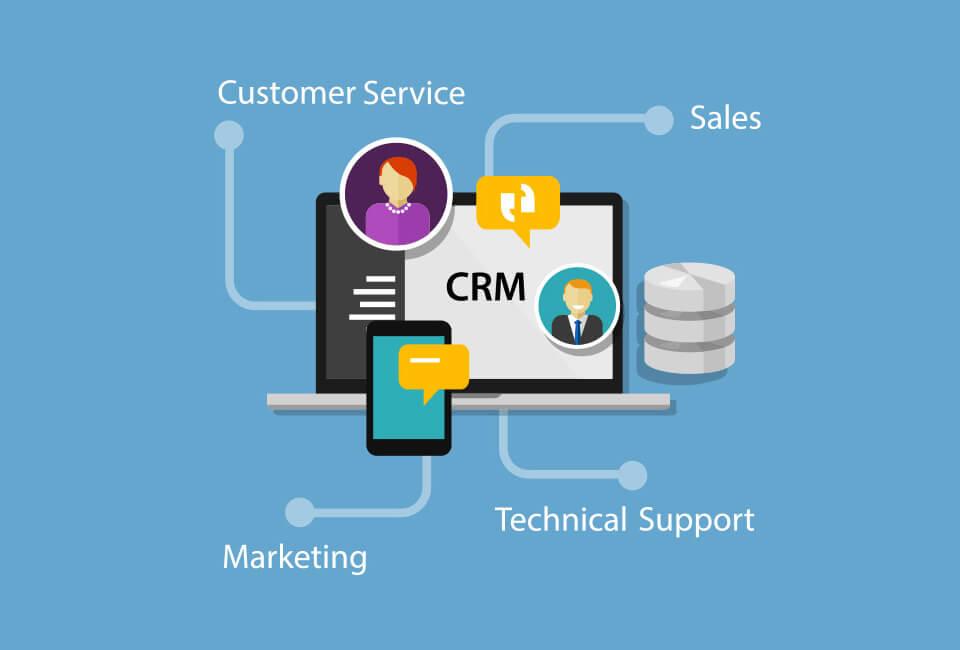
Growing a business brings new opportunities, but it also creates challenges. As a company attracts more customers, managing inquiries, tracking sales, organizing customer information, and maintaining communication can become increasingly difficult. Without an effective system, teams may miss follow-ups, duplicate tasks, or struggle to identify promising sales opportunities.
This is where CRM management software becomes valuable. It helps businesses organize customer data, improve collaboration, automate routine activities, and build stronger relationships with customers. For growing companies, the right CRM solution can also provide the flexibility needed to manage increasing workloads without making everyday operations unnecessarily complicated.
In this article, we will explore 10 important benefits of CRM software and explain how cloud based CRM software can support businesses as they expand.
What Is CRM Management Software?
Customer Relationship Management (CRM) software is a digital platform that helps businesses manage interactions with potential and existing customers. It brings information such as contact details, communication history, sales opportunities, and customer preferences into one central system.
Instead of relying on separate spreadsheets, emails, and manual records, employees can access relevant information from a shared platform.
For example, a growing online business can use a CRM system to record customer inquiries, assign leads to sales representatives, schedule follow-ups, and monitor the progress of sales opportunities. This organized approach helps teams respond more efficiently and maintain consistent communication.
10 Benefits of CRM Management Software for Growing Businesses
1. Centralizes Customer Information
As businesses grow, customer information often becomes scattered across different departments and applications. This makes it difficult to find accurate details when employees need them.
CRM management software stores customer records in one organized location. Teams can review contact details, previous conversations, purchase history, and sales activities according to their access permissions.
Centralized information reduces unnecessary searching and helps employees understand customer needs before starting a conversation.
2. Improves Customer Relationships
Strong customer relationships encourage repeat purchases, referrals, and long-term loyalty. However, customers expect businesses to understand their requirements and respond to their concerns.
CRM systems help employees review previous interactions and maintain relevant customer records. For instance, a sales representative can check a customer's earlier inquiry before recommending a product or service.
This information supports more personalized communication and helps businesses deliver a consistent customer experience.
3. Increases Sales Team Productivity
Sales representatives often spend considerable time updating records, searching for contact information, and managing follow-up tasks. These administrative activities can reduce the time available for selling.
CRM software organizes sales activities and helps employees prioritize opportunities. Teams can view upcoming tasks, track conversations, and identify leads that require attention.
By reducing manual work, businesses can help sales representatives focus on meaningful customer interactions and revenue-generating activities.
4. Automates Repetitive Tasks
Growing businesses need efficient processes to handle increasing workloads. Performing every task manually can slow operations and increase the likelihood of human error.
Many CRM platforms provide automation features for assigning leads, creating reminders, updating records, and triggering notifications.
For example, when a potential customer submits a website form, the system can assign the inquiry to the appropriate sales representative and create a follow-up task.
Automation saves time and improves consistency, although businesses should review workflows regularly to ensure they remain relevant.
5. Supports Better Sales Pipeline Management
A sales pipeline shows how potential customers move through different stages, from their first inquiry to a completed purchase.
With CRM management software, managers can monitor opportunities, review deal progress, and identify leads that have remained inactive for too long.
This visibility helps teams prioritize promising opportunities and plan their sales activities more effectively. Managers can also use pipeline reports to identify bottlenecks and improve their sales processes.
6. Enables Data-Driven Decisions
Business growth requires informed decisions about sales performance, marketing activities, and customer engagement. Without reliable information, managers may depend on assumptions rather than measurable results.
CRM platforms can provide dashboards and reports covering lead conversion rates, sales revenue, customer activity, and team performance.
These insights help managers identify successful

 English
 Arabic
 Spanish
 Portuguese
 Deutsch
 Turkish
 Dutch
 Italiano
 Russian
 Romaian
 Portuguese (Brazil)
 Greek
