

What Is the Recovery Time After Liposuction?
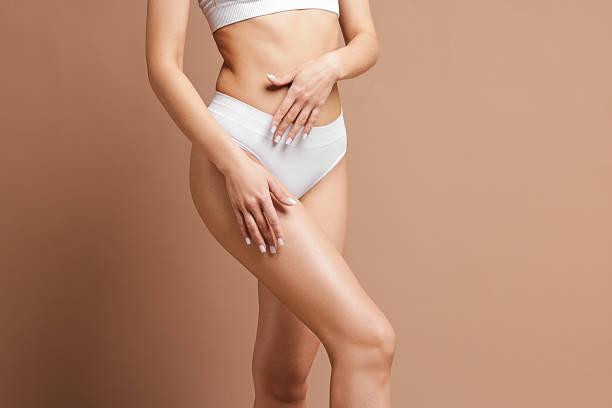
Recovering after cosmetic surgery takes time, and understanding the healing process can help patients prepare for a comfortable and successful experience. For individuals considering a Liposuction procedure in Riyadh (عملية شفط الدهون في الرياض), recovery time is an important factor when planning work, daily activities, and personal commitments. Although many patients begin feeling better within the first few days, swelling and bruising may take several weeks to improve, while the final body contours can take several months to become visible.
Liposuction removes localized fat deposits to improve body shape and proportions. After a Liposuction procedure in Riyadh, the body needs time to recover from surgical tissue changes and gradually reduce postoperative swelling. The exact recovery period varies according to the number of areas treated, the surgical technique, the patient's general health, and individual healing. Following the surgeon's instructions and attending follow-up appointments can help patients understand their progress and identify concerns early.
How Long Does Recovery After Liposuction Take?
Recovery after liposuction generally happens in stages rather than following one fixed timeline. Some patients feel comfortable performing light daily activities within a few days, while others need more time before returning to their usual routine. Returning to work may be possible within several days to two weeks for some patients, depending on the extent of surgery and the physical demands of their job.
Swelling, bruising, and tenderness may continue for several weeks. More noticeable improvements often develop as the swelling decreases, but residual swelling can last for several months. Patients should avoid comparing their progress with others because the body heals differently depending on individual circumstances and the treatment performed.
What Happens During the First Few Days?
Swelling and Bruising
Swelling and bruising are common immediately after surgery. The treated areas may appear puffy, uneven, or larger than expected because the tissues are responding to the procedure. These temporary changes do not necessarily indicate the final result. The symptoms usually improve gradually as healing progresses.
Discomfort and Limited Movement
Patients may experience soreness, tenderness, tightness, or temporary changes in sensation. Moving around may feel uncomfortable initially, especially when several areas have been treated. Your surgeon may recommend appropriate pain relief and gentle movement, depending on your condition. Avoid strenuous activities and follow the medical team's advice about rest and mobility.
Initial Postoperative Care
The surgical team will explain how to care for incision sites, manage dressings, and use any recommended compression garment. Some fluid drainage may occur from small incisions, depending on the technique used. Follow your specific wound-care instructions and contact your surgeon if you notice unusual discharge, increasing redness, or worsening pain.
When Can You Return to Work and Daily Activities?
Returning to Work
The time required away from work depends on the procedure and your job responsibilities. People with desk-based jobs may return sooner than those whose work involves prolonged standing, lifting, or physical labor. Before resuming work, make sure you can move comfortably and follow your surgeon's guidance about any restrictions.
Driving and Household Tasks
Driving should be postponed until you are no longer affected by anesthesia or sedating medication, can move comfortably, and can safely control the vehicle. Light household tasks may be resumed gradually as your recovery allows. Arrange assistance with demanding chores during the initial healing period to avoid unnecessary strain.
Resuming Exercise
Gentle walking is often encouraged early in recovery when medically appropriate because it supports circulation and reduces risks associated with prolonged inactivity. However, intense exercise, heavy lifting, and strenuous workouts usually need to wait until your surgeon confirms that it is safe. Returning to activity too quickly may increase discomfort or interfere with healing.
Why Is a Compression Garment Important During Recovery?
A compression garment may be recommended to provide support to the treated areas and help manage swelling. It can also improve comfort as the tissues heal. Your surgeon will explain which garment to use, how it should fit, and how long to wear it based on your procedure.
Patients should avoid changing the recommended schedule without medical advice. A garment that is excessively tight or causes significant pain, numbness, or skin discoloration should be discussed with the surgical team. Correct use is more important than simply wearing compression for longer.
When Will You See the Final Liposuction Results?
Some changes in body shape may become noticeable during the first few weeks, but swelling can temporarily hide the results. As the body heals, the treated areas gradually become more defined. The final outcome may take several months to assess, especially when multiple areas have been treated or swelling takes longer to resolve.
A Liposuction procedure in Riyadh can provide long-lasting changes to the treated areas, but results depend on individual anatomy, skin elasticity, healing, and weight stability. Liposuction does not prevent future weight gain, and it may not correct significant loose skin. Maintaining a stable weight and following healthy lifestyle habits can help preserve the improvements.
What Factors Can Affect Recovery Time?
Several factors influence how quickly patients recover after liposuction. The number and size of the treated areas, the amount of fat removed, the surgical technique, and the type of anesthesia can all affect the healing process. General health, smoking or nicotine use, medications, and adherence to postoperative instructions may also influence recovery.
Patients undergoing more extensive treatment may need additional time before returning to normal activities. Following medical advice, keeping follow-up appointments, eating balanced meals, staying appropriately hydrated, and gradually increasing activity can support general recovery. However, these measures cannot guarantee a specific healing timeline.
Which Symptoms Require Medical Attention?
Although swelling, bruising, and soreness are common, patients should monitor their symptoms throughout recovery. Contact your surgeon promptly if you develop fever, increasing redness, worsening pain, unusual discharge, or swelling that is getting worse rather than improving.
Seek emergency medical attention for chest pain, difficulty breathing, fainting, or sudden severe symptoms. These may indicate a serious complication and should not be ignored. If you are uncertain whether a symptom is part of normal healing, contact your medical team for guidance rather than attempting to treat it yourself.
Book a Consultation at Royal Clinic Saudia
Understanding the recovery period can help you plan your treatment and set realistic expectations for body contouring. Royal Clinic Saudia (عيادات رويال كلينك) can guide you through the consultation process, discuss suitable treatment options, and explain the postoperative care and recovery timeline relevant to your needs. Schedule an appointment with a qualified medical professional to learn more about preparing for liposuction and recovering safely.
FAQs:
How many days do I need to rest after liposuction?
The initial rest period varies depending on the extent of surgery and your individual health. Many patients begin light activities within a few days, but returning to work and normal routines may take longer. Follow your surgeon's recommendations.
When does swelling go away after liposuction?
Swelling often improves gradually over several weeks, although some residual swelling may remain for several months. The timeline depends on the treated areas, the extent of surgery, and individual healing.
Can I walk after liposuction surgery?
Gentle walking is often encouraged soon after surgery when your medical team confirms it is safe. Start slowly and avoid strenuous activity until your surgeon approves it.
When can I see the final results of liposuction?
Initial changes may become visible within the first few weeks, but the final contours can take several months to develop as swelling decreases. Your surgeon can assess your progress during follow-up appointments.

 English
 Arabic
 French
 Spanish
 Portuguese
 Deutsch
 Dutch
 Italiano
 Russian
 Romaian
 Portuguese (Brazil)
 Greek
